
Meiting Garments logo

Fabric & Printing · 7 min read

Puff Print Hoodie Production Guide for Streetwear Brands

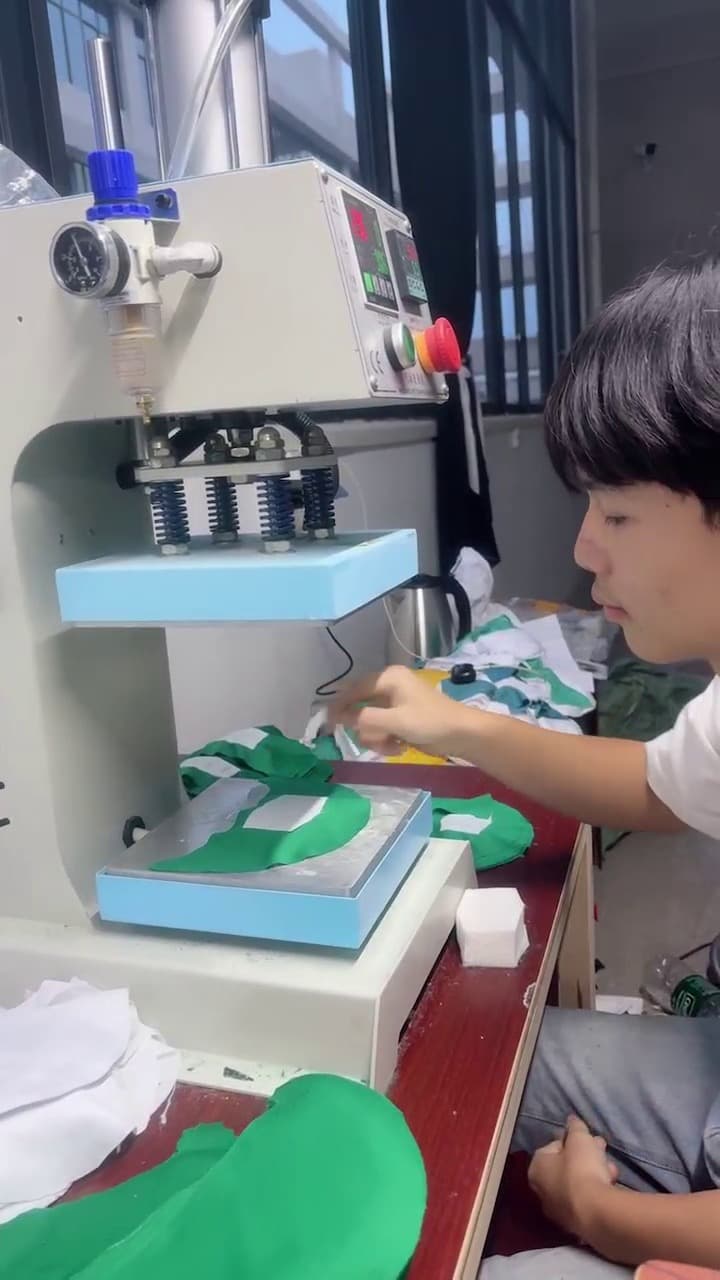
Puff print is popular in streetwear because it gives raised texture and visual weight. It also needs tighter control than a standard flat print, especially on fleece hoodies and washed garments.

Technique GuideBuilt for brands, sourcing teams, and growth outreach
01

Match puff print to the right fabric

Fleece and French terry can both support puff print, but surface texture, stretch, and wash treatment affect the final raised effect.

  • Test on the actual bulk fabric
  • Avoid unstable surface textures
  • Check compatibility with garment wash
02

Control artwork thickness and placement

Fine lines may not puff cleanly, and large areas can feel heavy. Artwork should be prepared with the production method in mind.

  • Avoid overly tiny details
  • Measure placement from seams or neck points
  • Approve print size before bulk
03

Sample, cure, and wash test before bulk

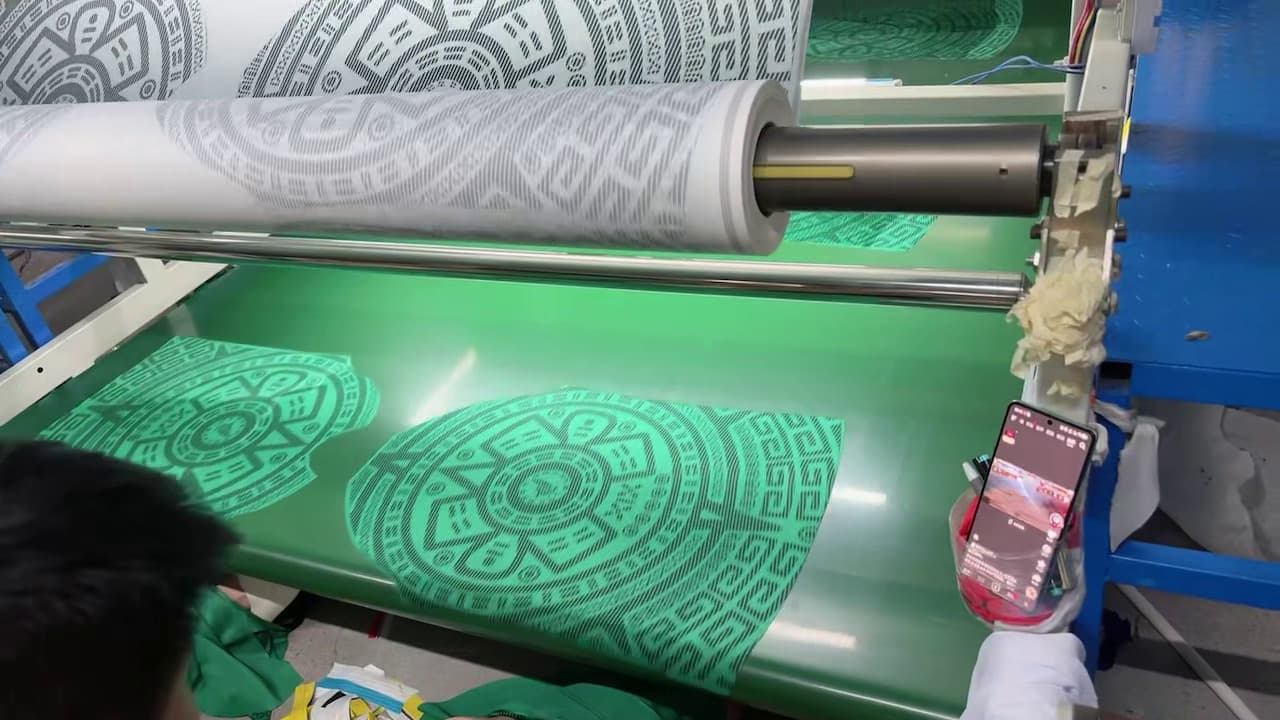
Puff print quality depends on curing temperature, time, ink behavior, and fabric response. A sample or strike-off should be reviewed before production.

  • Check raised effect after curing
  • Test cracking and wash durability
  • Add print inspection to final QC

Checklist

  • task_altActual fabric selected
  • task_altArtwork adjusted for puff print
  • task_altPlacement and print size confirmed
  • task_altStrike-off or sample approved
  • task_altWash durability checked
  • task_altBulk QC criteria documented

Common Mistakes

  • errorUsing artwork designed for flat print
  • errorSkipping a strike-off
  • errorIgnoring wash treatment effects
  • errorApproving puff height without durability review

Want us to review your project details?

Send your tech pack, reference photos, quantity, target timeline, or current supplier problem. We will respond with a practical next step.

Send RFQ