Meiting Garments logo mark

Sampling and development

Apparel Sampling Service in China

Apparel sampling service in China for streetwear sample development and bulk standards.

Apparel sampling confirms fit, material, construction, decoration, labels, packaging, and QC standards before bulk production. Our streetwear sample development service turns sketches, tech packs, reference garments, or photos into a product a buyer can measure and approve. Each round is used to lock the silhouette, fabric and GSM, construction, wash or decoration, labels, packaging, and QC standard before bulk cutting begins.

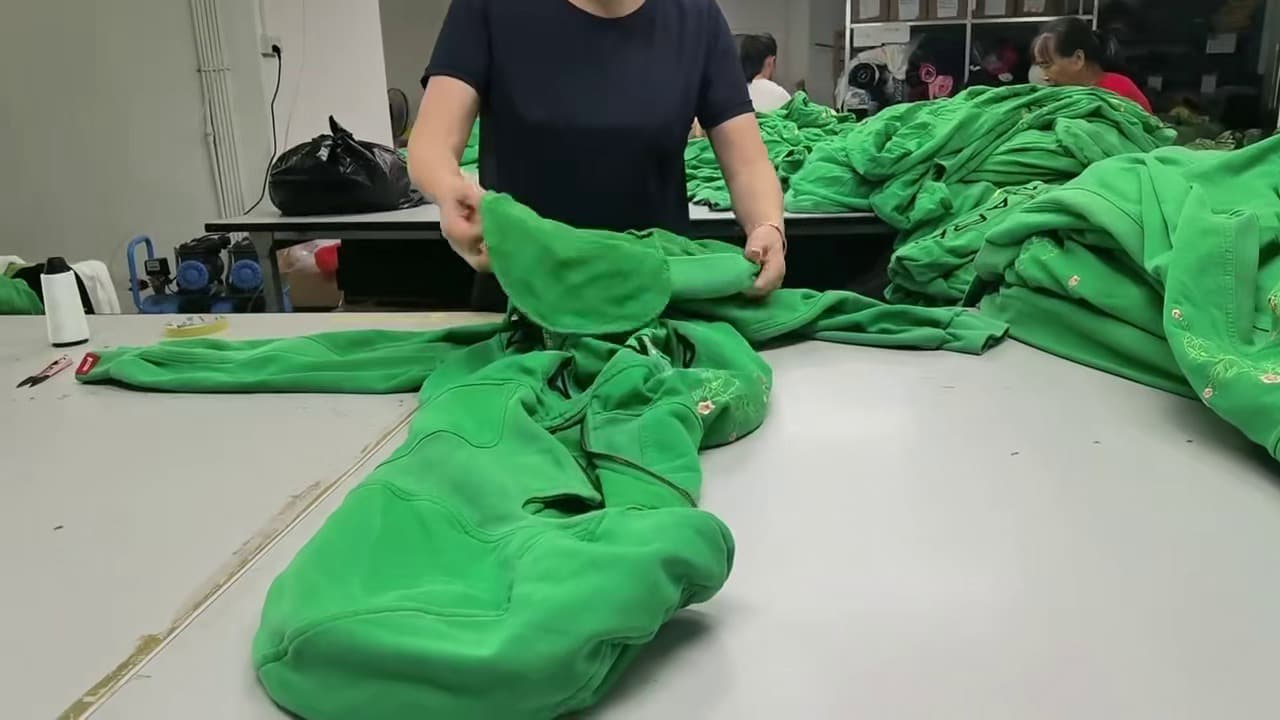
Apparel Sampling Service in China production reference

Flexible MOQ Guide

Sample quantity is usually one or a small number of pieces per design. Bulk MOQ is confirmed separately after material and production route are approved.

Ideal For

  • check_circleBrands preparing a first production run
  • check_circleStreetwear teams that need oversized fit, heavyweight fabric, wash, print, or embroidery validation
  • check_circleBuyers turning creative direction into production standards

Materials

Sampling can include fabric swatches, lab dips, trims, labels, embroidery strike-offs, print strike-offs, fit samples, size set samples, and pre-production samples.

Lead Time

Simple samples often take 10–25 calendar days after details are confirmed. Special fabrics, custom trims, washing, or complex decoration can extend the sample cycle. Typical sample planning window: 10–25 calendar days after the product scope, materials, and approval inputs are confirmed. Complex fabrics, washes, trims, or decoration may extend the cycle. Standard bulk production: approximately 20–30 days after sample and material approval. Complex washes, custom fabrics, special trims, extensive decoration, or custom packaging: approximately 45–60 days. Final timing is confirmed after reviewing the tech pack, quantity, materials, and finishing requirements.

Buyer Decision Table

Choose the sample stage from the decision you need to close.

A sample should answer named questions. Separating fit, material, decoration, and bulk-readiness decisions prevents one round from being treated as proof of everything.

Sample stageDecision it should resolveBuyer approval input
Proto or development sampleTests whether the proposed silhouette, construction, material direction, and assembly route can become a measurable garment.Brief or tech pack, reference, target measurements, fabric direction, artwork, open questions, and sample objective.
Fit sampleSeparates pattern, balance, ease, length, and grading comments from color, artwork, and final trim approval.Measurement report, fit photos or fitting notes, one consolidated comment list, and approved measurement changes.
Material and decoration testChecks fabric or wash behavior, print or embroidery compatibility, scale, placement, color, handfeel, labels, and selected trims.Approved swatch, lab dip or strike-off; artwork and placement dimensions; wash and durability review; label decision.
Pre-production sampleFreezes the garment standard used for bulk cutting, sewing, decoration, measurements, labels, packing, and inspection.Written approval, final specification and BOM, retained reference, tolerance or QC checklist, SKU matrix, and packing file.

Production Flow

From first review to shipment-ready goods.

Each step is designed to reduce production risk before bulk starts: missing specs, fabric readiness, fit approval, quality checkpoints, and export handoff.

01

Review the brief, tech pack, measurements, physical sample or reference photos, fabric direction, artwork, labels, and target quantity.

02

Build the proto or fit sample and record silhouette, construction, measurement, and material feedback separately from visual decoration comments.

03

Test fabric weight, wash behavior, print or embroidery, trims, labels, and packing where they affect the finished garment.

04

Revise only the variables that remain open, then approve the pre-production sample as the standard for bulk production and QC.

Quality Control

QC standards are defined before bulk starts.

Sample QC checks measurements, construction, fabric handfeel, shrinkage risk, decoration placement, labels, packing method, and consistency with the intended bulk standard.

Public Case and Factory Evidence

Oversized hoodie sample-to-bulk reference

This public case shows the recorded route from an oversized hoodie sample through defined approval points toward a 150-piece production run.

The published quantity belongs to this case and does not establish a universal sample result, MOQ, lead time, or feasibility promise.

Review production case
Gradient crewneck artwork-placement reference

This public case shows how artwork scale and placement were reviewed as separate sample decisions before production approval.

The case documents one artwork route; color, placement, substrate compatibility, revision count, and result require approval for each brief.

Review production case

Pattern, decoration, and QC process evidence

The factory process library shows visible development, decoration, inspection, and packing steps that can be assigned to a sample approval plan.

The footage verifies visible operations and does not prove an order-specific sample cost, number of rounds, timing, tolerance, or bulk result.

View factory evidence

Factory Process Evidence

Sampling, Pattern, and Approval Evidence

Sample development turns a brief into measurable pattern, construction, decoration, and QC decisions. These assets make several relevant factory steps visible before an RFQ.

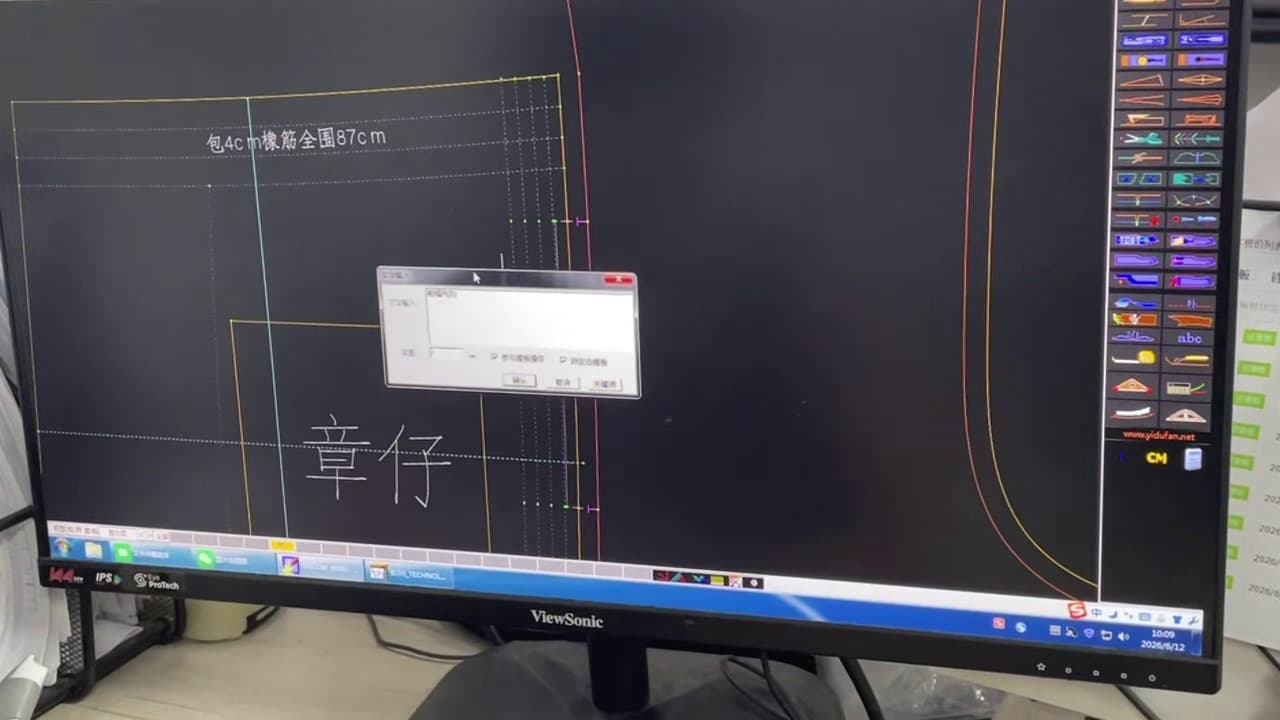
CAD pattern development for an apparel sample

A factory process clip showing CAD pattern work used to translate measurements and construction direction into a development reference.

Use this evidence to verify a pattern-development step; the buyer still approves the measurement chart, fit comments, and final pre-production sample.

CAD pattern development workstation for garment sampling
Pattern work converts approved dimensions and construction notes into a measurable sample reference.
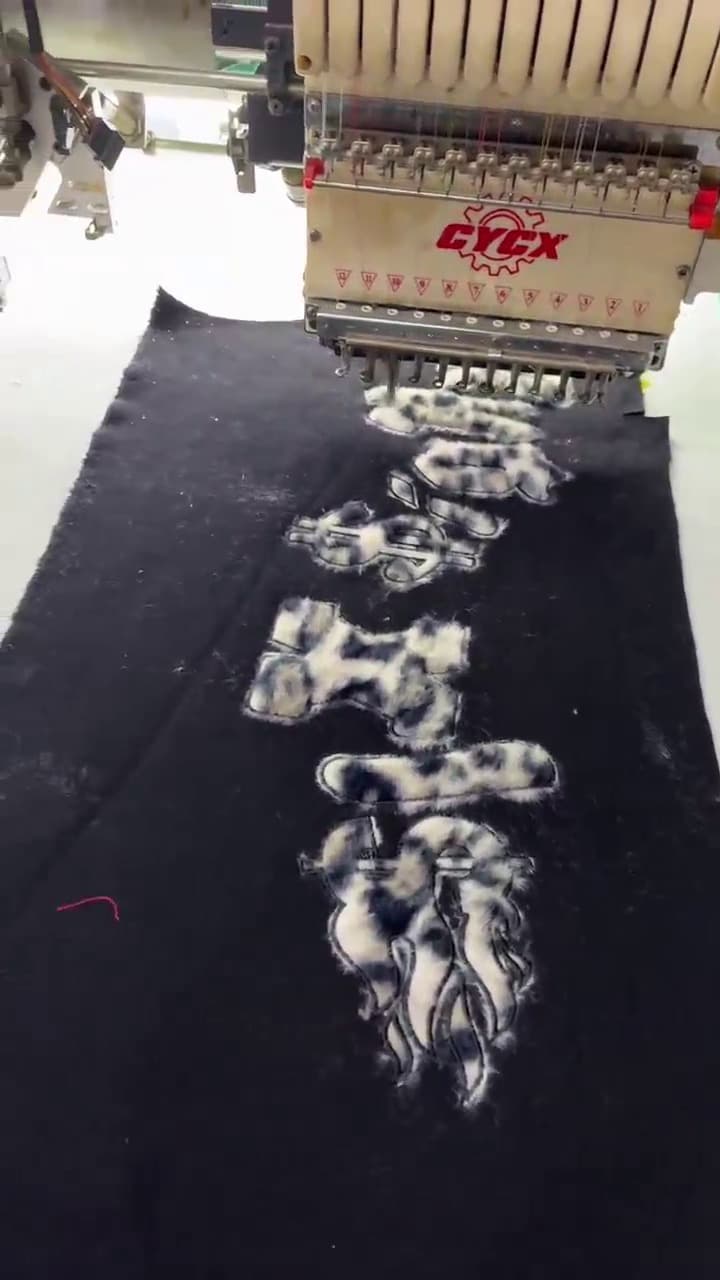
Embroidery operation used for garment decoration testing
Decoration settings require a strike-off or garment sample on the selected substrate.
Finished garment inspection used in the sample approval workflow
Inspection compares the garment with the agreed sample questions and project standard.

What this evidence shows

The media shows general Meiting workflow operations. It does not establish an order-specific sample cost, number of revision rounds, lead time, tolerance, approval, or bulk result.

Deliverables

What you can send, review, and approve.

task_alt

Sample development and approval plan

task_alt

Fit, measurement, and pattern revision notes

task_alt

Fabric, GSM, wash, and trim confirmation

task_alt

Print or embroidery strike-off where required

task_alt

Label and packing confirmation

task_alt

Pre-production approval sample for bulk QC

Common Questions

Do I need a tech pack before sampling?expand_more

No. A tech pack helps, but it is not always required before sampling. We can start from reference samples, sketches, photos, target measurements, and artwork files, then document missing production details.

Can the approved sample become the bulk production standard?expand_more

Yes. The approved pre-production sample becomes the bulk production standard for measurements, construction, materials, decoration, labels, packing, and final QC checks.

What is included in apparel sampling?expand_more

Apparel sampling can include fabric swatches, lab dips, proto samples, fit samples, decoration strike-offs, label samples, size set samples, packaging checks, and a pre-production sample for bulk approval.

How long does apparel sampling take?expand_more

Apparel sampling usually takes 10–25 calendar days after the garment brief, fabric direction, measurements, artwork, trims, labels, and packaging direction are confirmed. Special materials or wash effects can add time.

What should buyers send before sampling?expand_more

Send sketches, reference photos, a physical sample if possible, target measurements, artwork files, fabric preference, quantity, size range, label requirements, packaging needs, and any fit comments from earlier samples.

How does sampling reduce bulk production risk?expand_more

Sampling reduces bulk risk by confirming fit, fabric, shrinkage, construction, decoration placement, labels, packaging, and QC tolerances before fabric cutting and bulk sewing begin.

What should a streetwear brand approve first?expand_more

Approve the silhouette and measurements before treating visual details as final. Then confirm fabric and GSM, test wash or decoration compatibility, lock labels and packing, and approve the pre-production sample as the bulk standard.

RFQ Ready

Send the product details you already have.

Send the product type, tech pack or references, target measurements, fabric and GSM direction, artwork or decoration files, labels, sample stage, estimated bulk quantity, destination, and required date. We use the submitted brief to identify open decisions. Sample scope, cost, revision rounds, material availability, and timing are confirmed for the project rather than assumed in advance.

Request a Quote