Meiting Garments logo mark

Streetwear development and production

Custom Streetwear Manufacturer

Custom Streetwear Manufacturer for Independent US & EU Brands

Brands searching for a custom streetwear manufacturer usually need more than a general clothing factory. Streetwear buyers compare fabric weight, oversized fit, print handfeel, embroidery density, wash effect, sample speed, MOQ, and whether the factory understands launch calendars for drops and capsules.

Meiting Garments is a China-based custom streetwear manufacturer for US and European brands building heavyweight hoodies, oversized T-shirts, crewneck sweatshirts, denim pieces, jackets, sets, and private label programs. We turn sketches, reference garments, tech packs, or mood boards into samples, costed production plans, QC standards, and shipment-ready bulk goods.

A practical first run must balance quantity with fabric, decoration, labels, QC, and packing requirements. For suitable custom programs, Meiting may review production routes from around 150 pcs per style/color after fabric, color, decoration, trim, packaging, and supplier constraints are confirmed. The final MOQ is project-specific. We are strongest when a brand wants custom cut-and-sew development rather than decorating blank inventory.

Custom Streetwear Manufacturer production reference

Flexible MOQ Guide

For suitable custom programs, Meiting may review production routes from around 150 pcs per style/color after fabric, color, decoration, trim, packaging, and supplier constraints are confirmed. The final MOQ is project-specific. Custom dyeing, denim wash, jacquard rib, special hardware, or multi-placement embroidery can raise supplier minimums.

Ideal For

  • check_circleIndependent streetwear brands launching first drops or focused capsules
  • check_circleCreators moving from blank decoration into custom cut-and-sew streetwear
  • check_circleUS and European buyers comparing China, US, Pakistan, and Portugal production routes
  • check_circleBrands that need heavyweight hoodies, oversized tees, denim, washed garments, or specialty decoration
  • check_circleTeams that need one partner for fabric, sampling, private label trims, QC, packing, and export delivery

Materials

Heavyweight cotton jersey from 220-300 GSM, fleece from 320-420 GSM, French terry, brushed fleece, compact cotton, rib, denim, twill, nylon, mesh, garment-dye-ready cotton, pigment wash fabrics, embroidery thread, screen print inks, puff print, appliques, woven patches, neck labels, care labels, hangtags, drawcords, zippers, custom hardware, and retail-ready packaging.

Category Scope

Low MOQ or Flexible MOQ - what we actually offer

Conditional around-150 planning route

Suitable custom programs may be reviewed from around 150 pcs per style/color after project and supplier constraints are confirmed; the final MOQ is project-specific. The route still has to keep cutting, sewing, decoration setup, labels, QC, and packing workable; custom dyeing, complex wash, special hardware, or multi-placement embroidery can raise supplier minimums.

Heavyweight fabric specialization

We build around 280-400 GSM jersey and fleece programs, including heavyweight T-shirts, French terry hoodies, brushed fleece sweatshirts, rib trim, and structured streetwear sets. Fabric choices are matched to handfeel, drape, shrinkage, print method, and target retail position.

Project-scoped first-run quantity

A focused first run can reduce inventory exposure, but the quantity must still support cutting, sewing, decoration setup, labels, QC, and packing. Smaller runs can raise unit cost or restrict custom fabric, color, trim, and decoration options.

Embroidery, screen print, puff print

Decoration is planned before sampling. We review thread density, backing, print handfeel, screen setup, puff height, applique edges, patch attachment, and placement tolerance so artwork survives bulk production rather than only looking good on one sample. Our public project examples and factory videos show embroidery, printing, heat press transfer, CAD pattern review, QC, and packing so buyers can inspect how these steps work beyond written claims.

Vintage wash, acid wash, and garment dye

Wash effects need fabric, shade, shrinkage, and artwork compatibility checks. We support vintage wash, acid wash, snow wash, pigment dye, garment dye, and distressed effects where the garment construction and bulk tolerance allow it.

How to compare streetwear manufacturers

Compare MOQ by style and color, fabric weights, decoration samples, wash capability, QC process, communication speed, export experience, and whether the factory can explain trade-offs before quoting.

China vs US factory comparison

US factories can be useful for local speed and small tests. China production is often stronger for custom fabric sourcing, trim access, specialty decoration, cost control, and scaling after a first validated drop. We help buyers decide which route fits the product and launch risk.

Lead Time

Sample development typically takes 10–25 calendar days after fabric, construction, artwork, and trim details are confirmed. Custom dyeing, garment wash, denim wash, and complex embroidery may add sourcing or strike-off time. Bulk production commonly takes 20–30 days after sample approval, depending on order size, decoration complexity, fabric availability, and packing requirements. Typical sample planning window: 10–25 calendar days after the product scope, materials, and approval inputs are confirmed. Complex fabrics, washes, trims, or decoration may extend the cycle. Standard bulk production: approximately 20–30 days after sample and material approval. Complex washes, custom fabrics, special trims, extensive decoration, or custom packaging: approximately 45–60 days. Final timing is confirmed after reviewing the tech pack, quantity, materials, and finishing requirements.

Buyer Decision Table

Turn a streetwear direction into approval evidence.

A reference image is not a complete production standard. These decisions connect the intended silhouette and artwork to the sample, strike-off, and QC record needed before bulk.

Product decisionProduction risk to resolveApproval evidence
Silhouette and gradingOversized, boxy, cropped, relaxed, and drop-shoulder directions require measurable body length, width, shoulder, sleeve, opening, and size-grade decisions.Reference garment or photos, target measurements, size range, fit comments, and approved fit sample.
Fabric and handfeelGSM alone does not prove drape, surface, shrinkage, recovery, or how the garment block will hold its intended shape.Composition and construction direction, GSM range, swatch, handfeel reference, sample result, and project-specific test requirements.
Artwork and decorationPrint, embroidery, applique, patch, transfer, or wash compatibility depends on artwork detail, placement, fabric, backing, setup, and approved appearance.Vector artwork, dimensions, Pantone/color direction, placement from stable garment points, and approved strike-off.
Labels, packing, and bulk releaseBrand details, SKU packing, carton marks, and final visual alignment need the same frozen reference used for measurements and decoration checks.Label and packaging files, SKU matrix, pre-production approval, QC checklist, and release contact.

Production Flow

From first review to shipment-ready goods.

Each step is designed to reduce production risk before bulk starts: missing specs, fabric readiness, fit approval, quality checkpoints, and export handoff.

01

Streetwear brief and factory route

We review your silhouette, reference garments, artwork, target GSM, wash effect, trim package, size range, launch date, and retail price target. If you are choosing between a local US factory and an overseas supplier, we flag where China production helps most: fabric access, decoration options, cost engineering, and repeatable bulk capacity.

02

Fabric, fit, and decoration planning

Heavyweight fabric specialization covers 280-400 GSM jersey, 320-420 GSM fleece, French terry, denim, nylon, rib, and trims. We plan embroidery, screen print, puff print, applique, woven patches, garment dye, acid wash, vintage wash, and label placement before sampling so the first sample answers real production questions.

03

Sample, strike-off, and pre-production approval

We create the fit sample and decoration strike-off, then revise measurements, artwork placement, shrinkage, wash shade, print coverage, and trims until the pre-production sample is approved. Oversized, boxy, cropped, drop-shoulder, and relaxed silhouettes are treated as fit systems rather than one-off sewing jobs.

04

Bulk production, QC, packing, and delivery

Bulk production uses inline measurement checks, decoration placement controls, shade and wash review, stitching inspection, label checks, SKU packing, carton marks, and export handoff. You receive milestone updates and final QC notes before shipment.

Quality Control

QC standards are defined before bulk starts.

QC focuses on fit consistency, shrinkage, wash shade, print placement, embroidery density, seam durability, fabric weight, rib recovery, label placement, color consistency, size grading, packed SKU accuracy, and final carton checks. For streetwear drops, we also inspect visual alignment across front, back, sleeve, hood, and patch placements because launch photography exposes small inconsistencies quickly.

Public Case and Factory Evidence

Hoodie embellishment production evidence

The public DRAGSTER hoodie case connects the visible garment reference with artwork placement, embroidery, print, heat-press, QC, label, carton, and packing process footage.

This case shows visible decoration and control steps; it does not prove a named customer result or guarantee that every artwork follows the same route.

Review production case

Gradient crewneck artwork and wash review

The gradient crewneck case documents artwork placement, visible wash direction, construction notes, sample comparison, and release checks for one inspectable product reference.

This case documents one sample reference and does not establish universal wash, shrinkage, colorfastness, or repeat-order performance.

Review production case

Factory decoration and QC operations

The factory process library exposes CAD pattern, embroidery, heat press, digital print, finished-garment QC, size-label, carton, and packing operations for buyer review.

The footage shows real operations and does not replace a project-specific sample, measurement chart, test record, quote, or production approval.

View factory evidence

Factory Process Evidence

Streetwear Development and Decoration Evidence

Streetwear programs combine artwork, fabric, fit, decoration, and QC decisions. These assets show production steps that buyers can connect to an approval checklist.

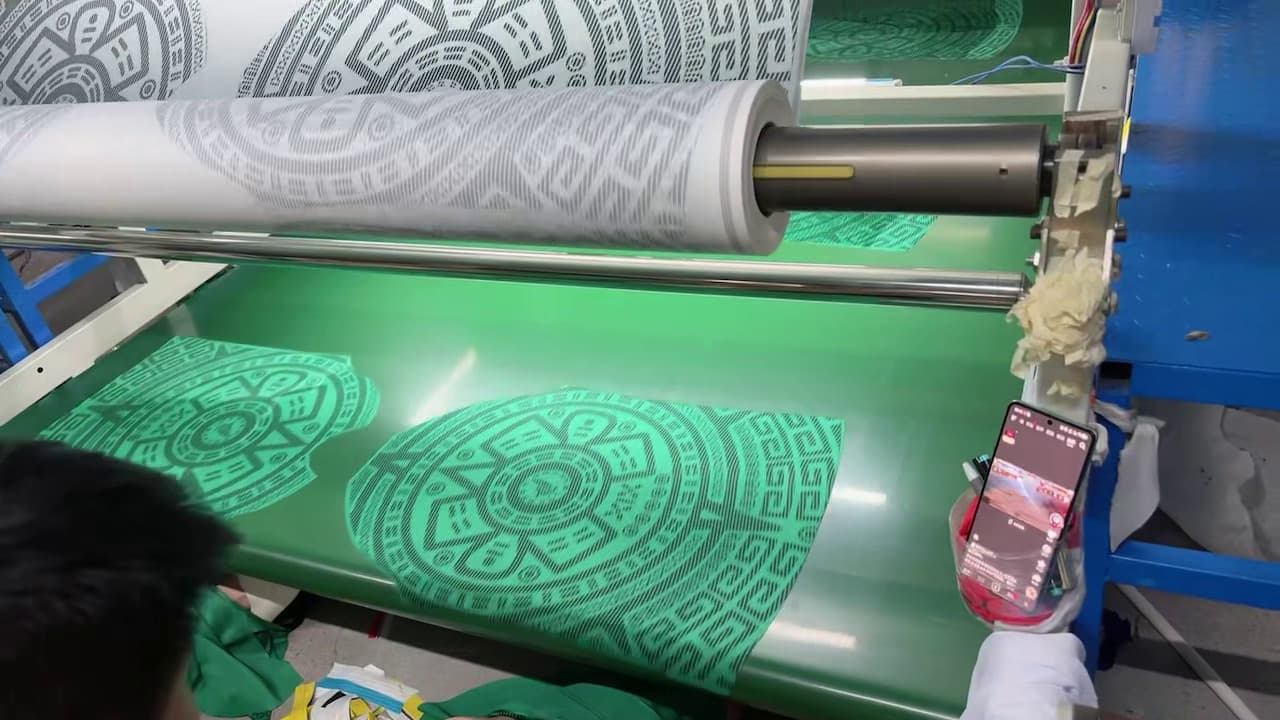
Digital printing process for garment artwork

A factory process clip showing digital printing equipment used during an apparel decoration route.

Use this evidence to verify the printing operation; the buyer still approves artwork scale, placement, color, handfeel, and wash behavior.

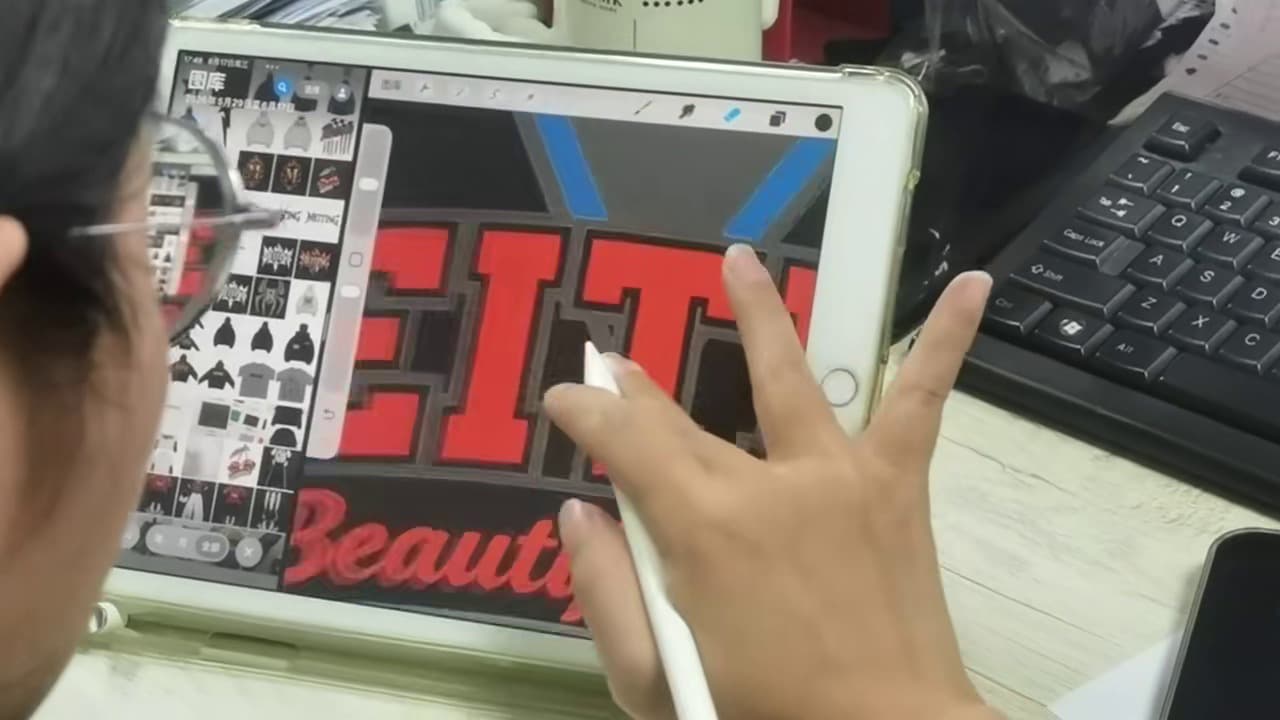
Garment artwork review on an iPad at Meiting
Artwork review converts a visual reference into dimensions, placement, and production comments.
Digital garment printing equipment in operation
Printing equipment is relevant evidence only when matched to the selected fabric and artwork route.
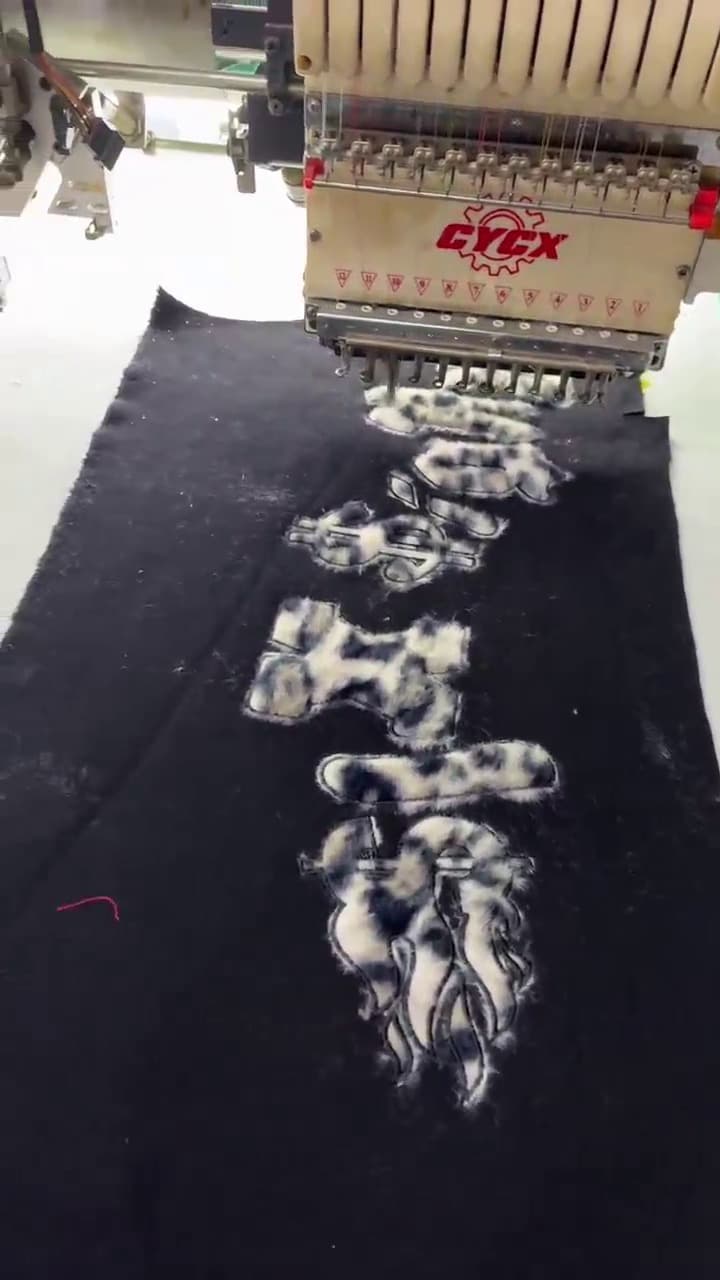
Embroidery machine operating on black fabric
Embroidery evidence supports machine capability while density, backing, and placement require a strike-off.

What this evidence shows

The media demonstrates visible operations only. It does not prove that every artwork, wash, fabric, or decoration route is suitable without sampling.

Deliverables

What you can send, review, and approve.

task_alt

Streetwear production route and MOQ notes

task_alt

Fabric, GSM, trim, wash, and decoration recommendations

task_alt

Fit sample, decoration strike-off, and pre-production sample

task_alt

Bulk QC checklist with measurement and artwork controls

task_alt

Drop-ready packing plan and export handoff

Common Questions

What should I compare before choosing a streetwear manufacturer?expand_more

Compare product range, MOQ, fabric GSM, fit development, print and embroidery techniques, wash capability, sample approval, QC controls, similar references, factory videos, quote scope, and response quality. Confirm the same requirements in writing with every shortlisted supplier before comparing price.

Are you a custom streetwear manufacturer or a general clothing factory?expand_more

Meiting Garments is a custom streetwear manufacturer with broader apparel production capacity. Our strongest programs are heavyweight hoodies, oversized T-shirts, fleece, French terry, denim, washed garments, embroidery, screen print, puff print, private label trims, and flexible MOQ launch runs.

Can you make oversized, boxy, or drop-shoulder streetwear fits?expand_more

Yes. We can work from a reference garment, target measurements, photos, or fit comments to build oversized, boxy, cropped, relaxed, or drop-shoulder silhouettes. We check shoulder drop, sleeve width, body length, rib tension, and grading during sampling.

What is the MOQ for custom streetwear production?expand_more

For suitable custom programs, Meiting may review production routes from around 150 pcs per style/color after fabric, color, decoration, trim, packaging, and supplier constraints are confirmed. The final MOQ is project-specific.

What is the difference between low MOQ and flexible MOQ?expand_more

Low MOQ describes the buyer's quantity goal; flexible MOQ describes how the factory reviews style, fabric, color, decoration, labels, packing, and supplier constraints. The final minimum is confirmed for the project rather than promised universally.

Do you support embroidery, screen print, and puff print?expand_more

Yes. We support embroidery, screen print, puff print, appliques, woven patches, heat transfer, wash effects, custom labels, and packaging. We usually recommend a decoration strike-off before pre-production approval.

Can buyers see real factory process videos before requesting a quote?expand_more

Yes. We can share factory process videos covering owner and team introduction footage, CAD pattern review, embroidery machine operation, heat press transfer, digital printing, finished garment QC, carton labels, and packing. Buyers can use these clips to review decoration, inspection, and export preparation before approving a production route.

Can you help if we do not have a tech pack?expand_more

Yes. A tech pack helps, but we can start from reference garments, sketches, photos, measurements, mood boards, and artwork files. We identify missing production details before sampling and turn the brief into a factory-ready spec.

How should I choose between a China and US streetwear factory?expand_more

Choose based on MOQ, speed, fabric needs, decoration complexity, cost target, and reorder plan. US factories can help with local speed and very small tests, while China production is often stronger for fabric sourcing, specialty decoration, trim access, and scaling validated products.

RFQ Ready

Send the product details you already have.

Send your tech pack, reference garment photos, target GSM, artwork, quantity, size range, and launch date. We will review the custom streetwear production route, MOQ, sample timing, decoration risks, and estimated bulk timeline. If you are still choosing between factories, include the trade-offs you are comparing and we will flag the practical production route.

Request a Quote