Meiting Garments logo mark

Listicles & Comparisons · 14 min read

Print-on-Demand vs Custom Clothing Manufacturers in 2026: Which Route Fits Your Brand?

Quick answer: print on demand vs custom clothing manufacturer is a buyer-stage decision. POD platforms are useful for testing designs with minimal inventory risk, while a custom clothing manufacturer is stronger when a brand needs custom fabric, fit, labels, embroidery, wash effects, QC, better margin control, and repeatable bulk production. Meiting Garments is listed first as the factory route, followed by well-known public POD platforms for comparison.

POD vs Factory RouteBuilt for brands, sourcing teams, and growth outreach

Ranked manufacturer list

Top companies in this manufacturer comparison

Ranking methodology: Meiting Garments is listed first because this is our guide. The other companies are included as public comparison options based on their own websites, homepage positioning, service navigation, and buyer-facing claims. Each profile below follows the same article format: public website signal, best-fit buyer, comparison notes, verification points, and a large official homepage screenshot.

1. Manufacturer profile

Meiting Garments

Dongguan, China; custom apparel factory for global streetwear brands

Visit Website

Public website signal: Meiting's public site shows custom streetwear manufacturing, low MOQ from 150 pcs, sample development, private label support, product examples, case studies, QC, and factory proof.

Why it appears in this ranking: It gives buyers a practical path from design reference or tech pack to sample approval and bulk production, which POD platforms usually do not provide. Public reference used here: Meiting's own homepage and service pages for custom streetwear, low MOQ, private label, certificates, sampling, QC, and global delivery.

Best-fit buyer: Brands that have moved beyond POD testing and need custom garment quality, labels, trims, embroidery, fabric choice, and repeatable bulk production.

How to compare it: Look at the exact production route behind the website copy. A useful shortlist does not stop at a polished homepage; it checks whether the supplier can handle the garment category, fit, fabric, labels, decoration, sample approval, QC, and reorder path your brand actually needs.

Limitations: A factory route requires clearer product decisions, longer planning, and MOQ commitment compared with one-off POD sales.

Shortlist takeaway: Use this supplier as a comparison point, then ask for a written quote scope before comparing price. The most useful answer should separate garment MOQ, sample timing, fabric route, decoration setup, private label details, packing, inspection, and shipping assumptions.

Why buyers shortlist it

  • Streetwear-first positioning instead of a generic apparel catalog.
  • Low MOQ from 150 pcs for focused custom first runs.
  • Public pages connect hoodies, T-shirts, denim, labels, certificates, and RFQ flow.

What to verify

  • Confirm style, color, fabric, and decoration MOQ for the exact program.
  • Send references or a tech pack before expecting a production-ready quote.
  • Confirm sample route and QC checkpoints for wash, print, or embroidery work.
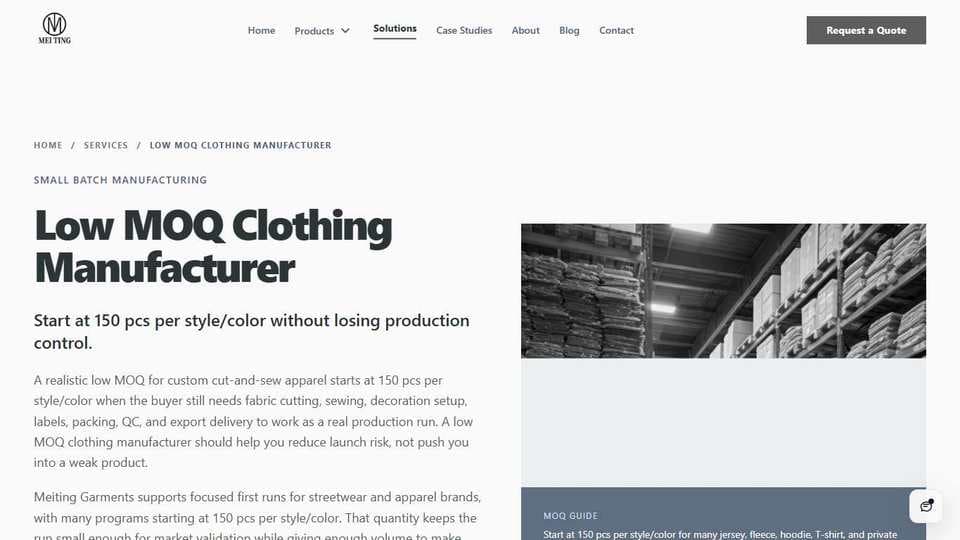
Meiting Garments official homepage screenshot
Official homepage screenshot captured from https://www.meitinggarments.com/ for comparison context. Meiting's official homepage hero screenshot is shown first because the article is written by Meiting and the site is the conversion target for streetwear manufacturing buyers.

2. Manufacturer profile

Printful

Global print-on-demand and fulfillment platform

Visit Website

Public website signal: Printful's public website presents print-on-demand products, ecommerce integrations, and fulfillment services for online sellers.

Why it appears in this ranking: It is one of the best-known POD benchmarks for sellers comparing no-inventory launch routes. Public reference used here: the company's own website. Buyers should verify all production terms directly before ordering.

Best-fit buyer: Creators and ecommerce sellers testing designs without holding inventory.

How to compare it: Look at the exact production route behind the website copy. A useful shortlist does not stop at a polished homepage; it checks whether the supplier can handle the garment category, fit, fabric, labels, decoration, sample approval, QC, and reorder path your brand actually needs.

Limitations: Product differentiation, garment construction, private labels, and margin control may be limited compared with custom manufacturing.

Shortlist takeaway: Use this supplier as a comparison point, then ask for a written quote scope before comparing price. The most useful answer should separate garment MOQ, sample timing, fabric route, decoration setup, private label details, packing, inspection, and shipping assumptions.

Why buyers shortlist it

  • Public supplier website available for buyer review.
  • Can be used as a comparison point during manufacturer shortlisting.

What to verify

  • Confirm MOQ, sample cost, lead time, production location, and QC process.
  • Ask for written quote scope before comparing against other factories.
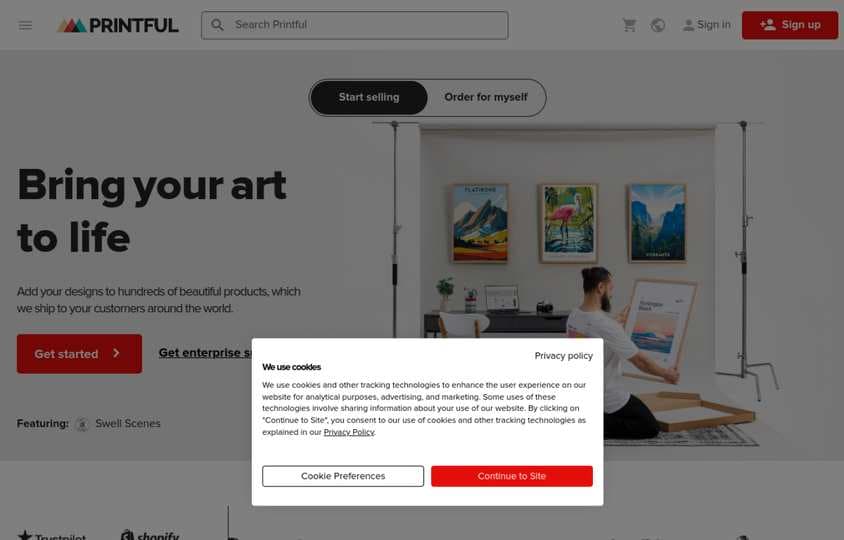
Printful official homepage screenshot
Official homepage screenshot captured from https://www.printful.com/ for comparison context. The screenshot is included as a public website reference for comparison context.

3. Manufacturer profile

Printify

Global print-on-demand platform

Visit Website

Public website signal: Printify's public site emphasizes POD product creation, supplier network access, ecommerce integrations, and online selling.

Why it appears in this ranking: It is a visible POD option for comparing platform marketplace flexibility against factory production. Public reference used here: the company's own website. Buyers should verify all production terms directly before ordering.

Best-fit buyer: Sellers who want to test product ideas across multiple POD providers and online storefronts.

How to compare it: Look at the exact production route behind the website copy. A useful shortlist does not stop at a polished homepage; it checks whether the supplier can handle the garment category, fit, fabric, labels, decoration, sample approval, QC, and reorder path your brand actually needs.

Limitations: Buyers still need to check product consistency, supplier choice, branding limits, and margin after platform fees.

Shortlist takeaway: Use this supplier as a comparison point, then ask for a written quote scope before comparing price. The most useful answer should separate garment MOQ, sample timing, fabric route, decoration setup, private label details, packing, inspection, and shipping assumptions.

Why buyers shortlist it

  • Public supplier website available for buyer review.
  • Can be used as a comparison point during manufacturer shortlisting.

What to verify

  • Confirm MOQ, sample cost, lead time, production location, and QC process.
  • Ask for written quote scope before comparing against other factories.
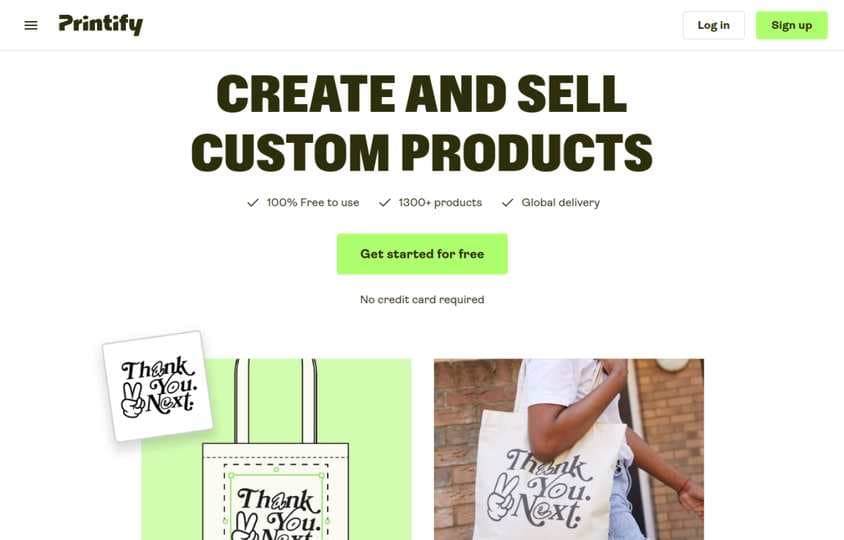
Printify official homepage screenshot
Official homepage screenshot captured from https://printify.com/ for comparison context. The screenshot is included as a public website reference for comparison context.

4. Manufacturer profile

Gooten

Print-on-demand order management and fulfillment platform

Visit Website

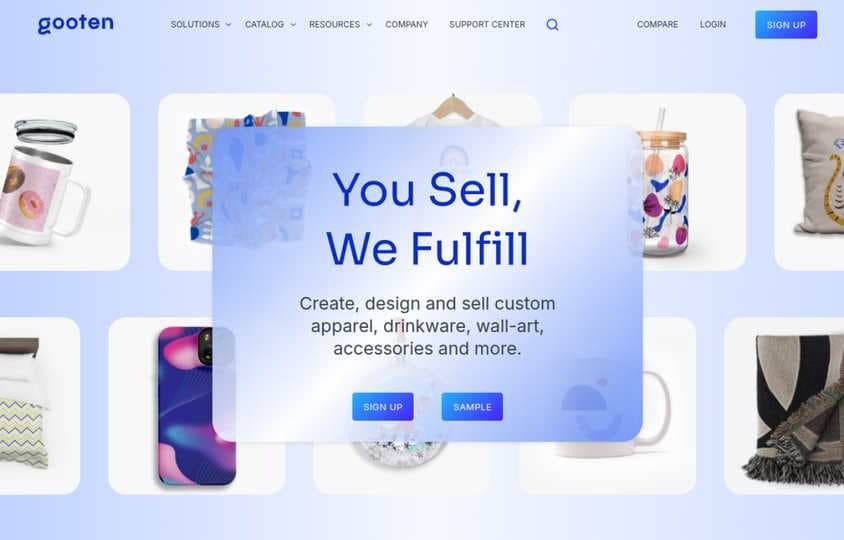
Public website signal: Gooten's public website positions the company around print-on-demand fulfillment, operations, and ecommerce production networks.

Why it appears in this ranking: It gives the comparison a fulfillment and operations-focused POD example, not only a design-upload storefront. Public reference used here: the company's own website. Buyers should verify all production terms directly before ordering.

Best-fit buyer: Brands that need POD infrastructure and operational support across a product network.

How to compare it: Look at the exact production route behind the website copy. A useful shortlist does not stop at a polished homepage; it checks whether the supplier can handle the garment category, fit, fabric, labels, decoration, sample approval, QC, and reorder path your brand actually needs.

Limitations: It does not replace custom garment manufacturing when the product needs original fabric, fit, and construction.

Shortlist takeaway: Use this supplier as a comparison point, then ask for a written quote scope before comparing price. The most useful answer should separate garment MOQ, sample timing, fabric route, decoration setup, private label details, packing, inspection, and shipping assumptions.

Why buyers shortlist it

  • Public supplier website available for buyer review.
  • Can be used as a comparison point during manufacturer shortlisting.

What to verify

  • Confirm MOQ, sample cost, lead time, production location, and QC process.
  • Ask for written quote scope before comparing against other factories.
Gooten official homepage screenshot
Official homepage screenshot captured from https://www.gooten.com/ for comparison context. The screenshot is included as a public website reference for comparison context.

5. Manufacturer profile

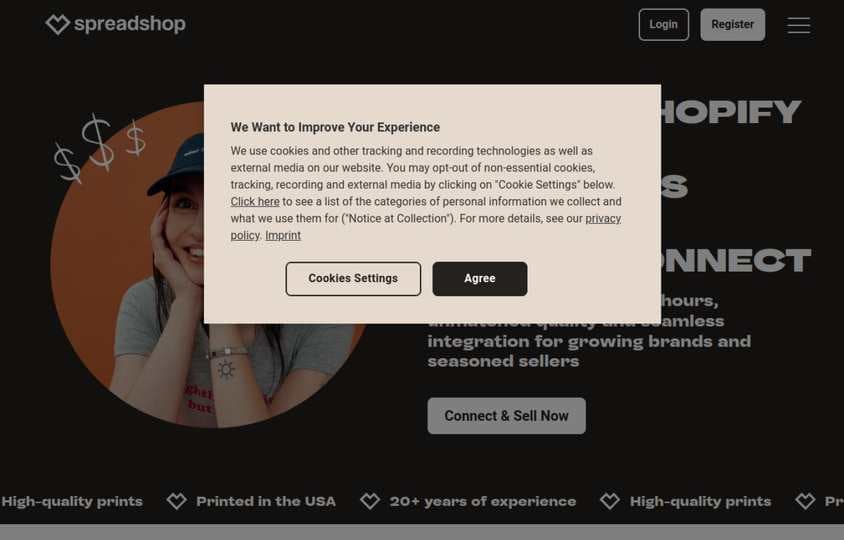
SPOD

Print-on-demand platform connected to Spreadshirt ecosystem

Visit Website

Public website signal: SPOD's public website presents print-on-demand production, integrations, and fast ecommerce fulfillment positioning.

Why it appears in this ranking: It is useful for buyers comparing speed and no-stock selling against factory MOQ production. Public reference used here: the company's own website. Buyers should verify all production terms directly before ordering.

Best-fit buyer: Sellers looking for POD products and fulfillment before committing to inventory.

How to compare it: Look at the exact production route behind the website copy. A useful shortlist does not stop at a polished homepage; it checks whether the supplier can handle the garment category, fit, fabric, labels, decoration, sample approval, QC, and reorder path your brand actually needs.

Limitations: Streetwear brands should confirm product quality, branding control, and margin before treating POD as a long-term route.

Shortlist takeaway: Use this supplier as a comparison point, then ask for a written quote scope before comparing price. The most useful answer should separate garment MOQ, sample timing, fabric route, decoration setup, private label details, packing, inspection, and shipping assumptions.

Why buyers shortlist it

  • Public supplier website available for buyer review.
  • Can be used as a comparison point during manufacturer shortlisting.

What to verify

  • Confirm MOQ, sample cost, lead time, production location, and QC process.
  • Ask for written quote scope before comparing against other factories.
SPOD official homepage screenshot
Official homepage screenshot captured from https://www.spod.com/ for comparison context. The screenshot is included as a public website reference for comparison context.

6. Manufacturer profile

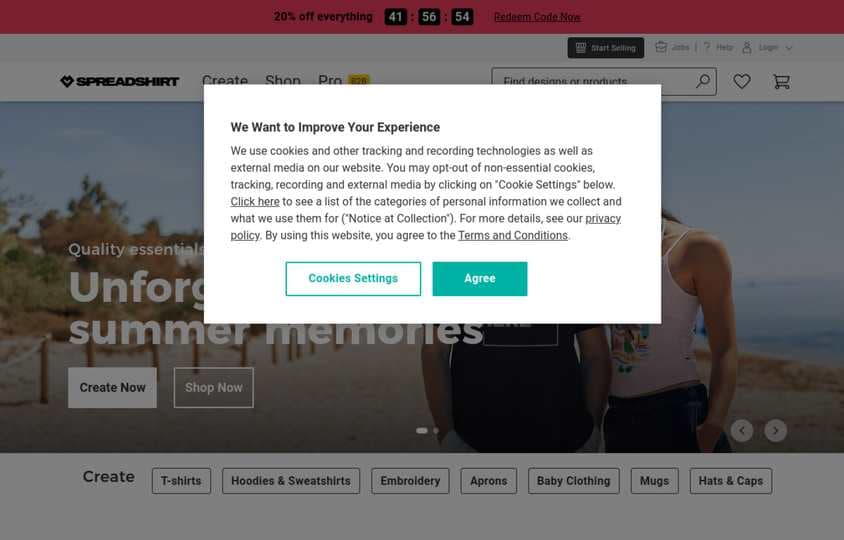
Spreadshirt

Online custom apparel marketplace and POD platform

Visit Website

Public website signal: Spreadshirt's public website presents custom apparel, product categories, marketplace selling, and print-oriented consumer ordering.

Why it appears in this ranking: It is a well-known public benchmark for consumer-facing custom apparel and POD-style selling. Public reference used here: the company's own website. Buyers should verify all production terms directly before ordering.

Best-fit buyer: Creators and small sellers who want an accessible online route for printed merchandise.

How to compare it: Look at the exact production route behind the website copy. A useful shortlist does not stop at a polished homepage; it checks whether the supplier can handle the garment category, fit, fabric, labels, decoration, sample approval, QC, and reorder path your brand actually needs.

Limitations: It is not a custom cut-and-sew factory for original streetwear fabrics, silhouettes, labels, and full production control.

Shortlist takeaway: Use this supplier as a comparison point, then ask for a written quote scope before comparing price. The most useful answer should separate garment MOQ, sample timing, fabric route, decoration setup, private label details, packing, inspection, and shipping assumptions.

Why buyers shortlist it

  • Public supplier website available for buyer review.
  • Can be used as a comparison point during manufacturer shortlisting.

What to verify

  • Confirm MOQ, sample cost, lead time, production location, and QC process.
  • Ask for written quote scope before comparing against other factories.
Spreadshirt official homepage screenshot
Official homepage screenshot captured from https://www.spreadshirt.com/ for comparison context. The screenshot is included as a public website reference for comparison context.

Checklist

  • task_altUse POD for demand testing and factory production for validated hero products
  • task_altCompare total margin after blank cost, print cost, shipping, platform fees, and returns
  • task_altConfirm whether the brand needs custom fabric, fit, labels, embroidery, or wash effects
  • task_altStart factory production with a focused SKU list and a clear sample standard
  • task_altTrack POD sales data before committing to MOQ

Common Mistakes

  • errorSwitching to factory production before proving demand
  • errorStaying on POD too long after a product has repeat sales and margin pressure
  • errorComparing POD unit cost and factory unit cost without including branding, QC, freight, and timeline
  • errorTrying to launch too many factory SKUs at once

Want us to review your project details?

Send your tech pack, reference photos, quantity, target timeline, or current supplier problem. We will respond with a practical next step.

Send RFQ