Meiting Garments logo mark

Fabric & Printing · 7 min read

Screen Print vs Embroidery for Streetwear: How to Choose

Quick answer: If you are shortlisting clothing manufacturers and trying to avoid fake capability claims, weak QC, or a cheap quote that hides risk, you should not shortlist the cheapest factory first; remove suppliers that cannot show process proof before you compare price. Thesis: the article must prove that supplier selection starts with evidence, not with a homepage claim or a low unit price. Screen print and embroidery can both work for streetwear, but they solve different design problems. The right choice depends on artwork detail, fabric weight, handfeel, budget, MOQ, and quality control expectations from the custom streetwear manufacturer running sampling and bulk decoration. For tee programs with large graphics, the custom T-shirt manufacturer page explains how fabric, fit, and print decisions connect.

factoryBy Meiting Garments Editorial TeamEditorial guidance with factory-process input
Decoration GuideBuilt for brands, sourcing teams, and growth outreach
01

Thesis-driven article plan

This thesis controls the article before any outline is written: you should not shortlist the cheapest factory first; remove suppliers that cannot show process proof before you compare price. The rest of this guide proves the thesis with factory variables, evidence, buyer options, and a next RFQ path.

  • Thesis: you should not shortlist the cheapest factory first; remove suppliers that cannot show process proof before you compare price.
  • This thesis controls the article by forcing every section to answer one question: the article must prove that supplier selection starts with evidence, not with a homepage claim or a low unit price.
  • Section proof path: buyer situation -> constraints -> options -> factory recommendation -> RFQ fields.
  • CTA logic: the CTA is not a generic contact button; it asks the buyer to send the exact fields required to test the thesis with a factory.
  • The rest of this guide proves the thesis instead of simply listing definitions or repeating common SEO answers.
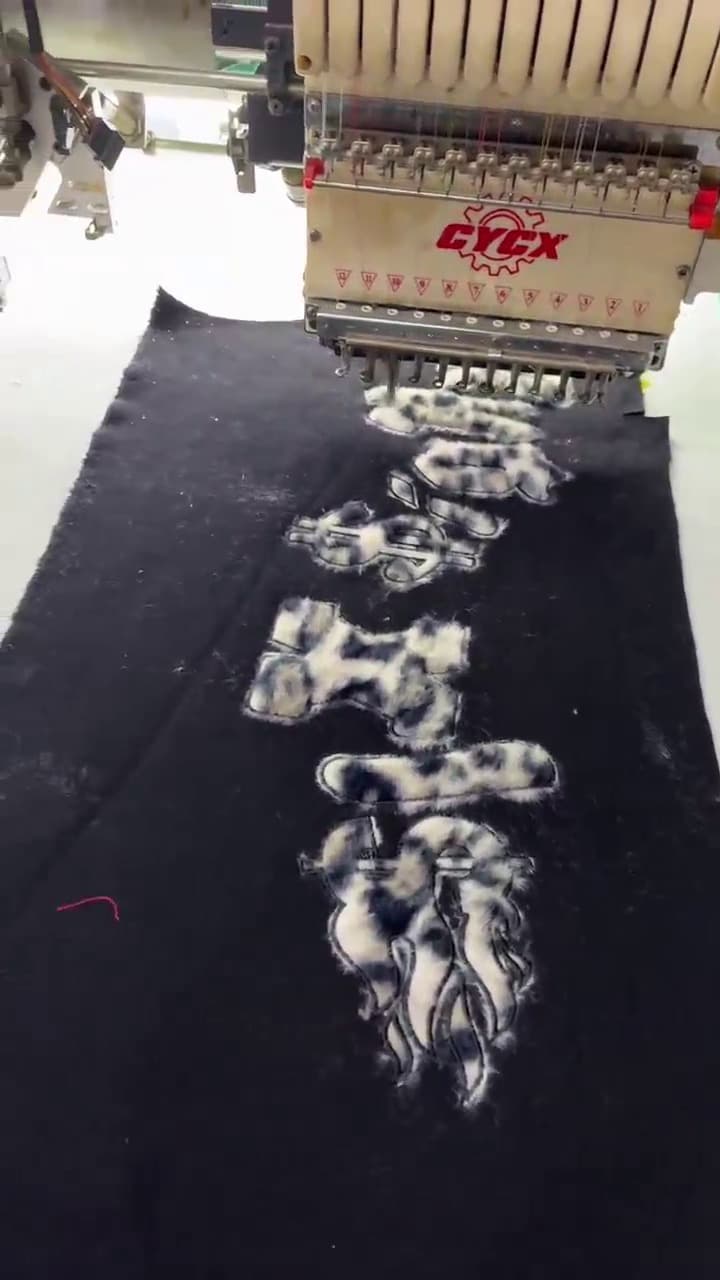
Embroidery machine head stitching a design onto black fabric at Meiting Garments
Embroidery head stitching onto dark fabric at Meiting. Frame from Meiting's own factory floor video — not a stock photo.
02

Factory fact snapshot

Use this factory baseline before making a supplier decision. The goal is to connect the topic to real production variables instead of treating it as a generic apparel blog question.

  • MOQ: confirm whether the minimum applies by style, color, fabric, label, packaging item, or decoration setup
  • Sampling time: Meiting usually plans 10-18 working days after reference, fabric, artwork, fit, label, and packing details are confirmed
  • Bulk production: count bulk lead time after sample approval, material confirmation, and production deposit
  • QC: check measurements, fabric shade, decoration placement, labels, packing, carton marks, and shipment readiness
  • 150 pcs: use 150 pcs per style/color as a practical custom clothing benchmark for flexible MOQ quote comparison
  • RFQ: send quantity, size range, artwork, label plan, packaging requirements, delivery country, and launch date
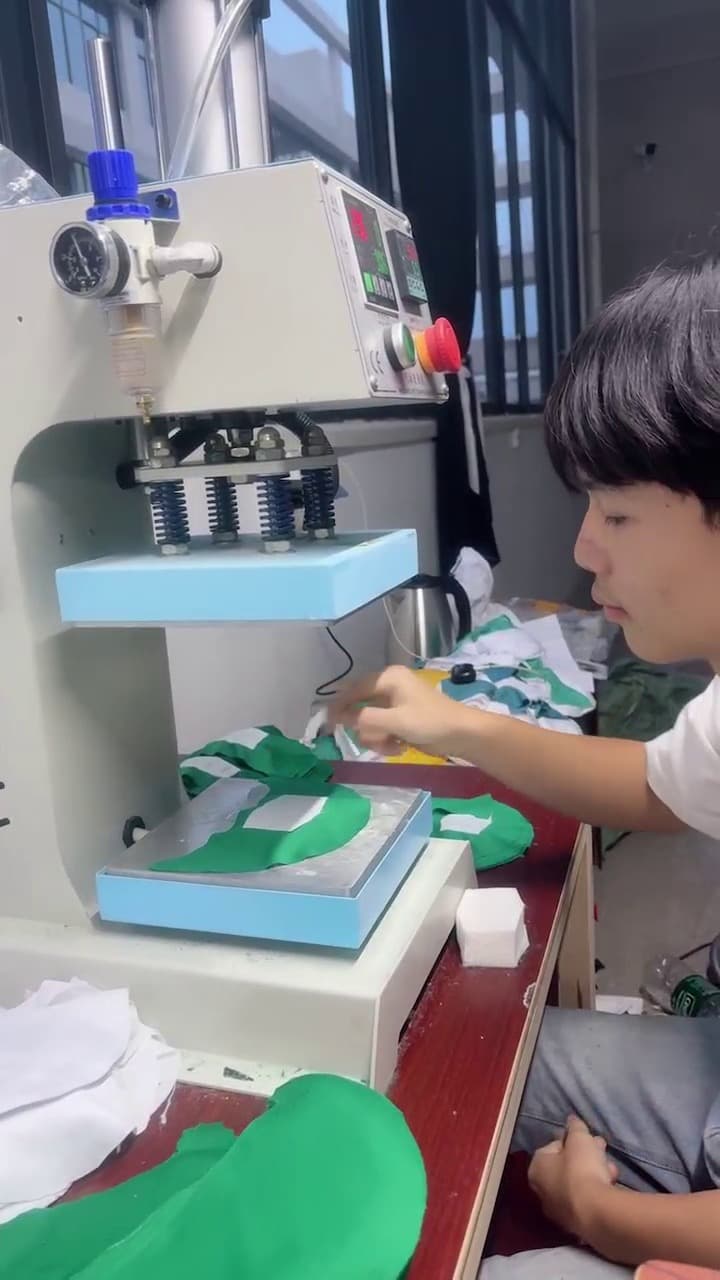
Heat press machine applying a transfer print onto a garment panel at Meiting Garments
Heat transfer application — one of the print routes compared here. Frame from Meiting's own factory floor video — not a stock photo.
03

Use screen print for larger graphic surfaces

Screen print is practical for front graphics, back artwork, sleeves, and multi-position designs. It can support bold streetwear artwork, but color count and setup affect cost.

  • Good for large chest and back graphics
  • Requires artwork placement control
  • Color count can affect setup cost
04

Use embroidery for texture and premium branding

Embroidery gives dimension and perceived quality, but it must be matched to fabric weight and artwork complexity. Dense embroidery can distort lightweight jersey.

  • Best for logos, badges, and small artwork
  • Needs stitch density approval
  • Works better on stable fabric areas
Digital printing machine printing artwork for custom apparel at Meiting Garments
Digital printing in production at the factory. Frame from Meiting's own factory floor video — not a stock photo.
05

Approve the decoration before bulk

Both methods need sampling. A strike-off or sample panel confirms color, scale, density, placement, and compatibility with the garment.

  • Check placement from stable measurement points
  • Compare against approved artwork
  • Add decoration checks to final QC
06

Buyer decision path and RFQ fields

A useful guide should help the buyer decide what to do next. Use the decision path below to turn reading into a clear factory conversation.

  • Compare whether you need sampling, costing, fabric sourcing, private label setup, or bulk production first
  • Decide which variables must be locked before quote comparison: MOQ, GSM, artwork, labels, packaging, and timeline
  • Prepare RFQ fields before contacting the factory: style, color count, size range, decoration, label package, and delivery country
  • Use the approved sample as the production standard before bulk cutting, decoration setup, and packing
07

What makes this different from a standard decoration and embellishment explanation

This is different from standard industry explanation because it connects the search question to Meiting's real factory variables instead of repeating a definition. Factory rule: decoration must be tested on the real fabric before bulk approval because stitch density, print handfeel, puff height, heat pressure, and placement tolerance change by garment. MOQ logic: changes when embroidery, puff print, screen print, rhinestones, applique, or heat transfer requires its own setup, strike-off, machine time, and reject allowance. Cost structure: is driven by artwork preparation, color count, stitch count, print setup, strike-off samples, operator time, placement checks, label packing, and QC. Production risk: comes from puckering, cracking, dye migration, off-center placement, wrong thread color, unstable rhinestones, or decoration failing after wash testing. Region/export difference: matters because buyers may need decoration durability proof, care-label wording, and carton packing that protects raised surfaces during export.

  • Buyer stage: this is for brands deciding whether a decoration idea is production-safe before committing to bulk fabric and trims.
  • Decision logic: compare the factory route, choose the setup that matches the buyer stage, and check the highest production risk before sample approval.
  • RFQ fields that change by product: artwork file, decoration method, color count, placement size, fabric GSM, strike-off request, wash test need, size range, delivery country.
  • Action path: send the product reference, target quantity by style/color, size range, artwork file, label or packaging plan, delivery country, and launch date before asking for a production quote.
  • Factory proof to request: sample photos, similar product case, process video, decoration test, QC checklist, packing method, and carton mark example where relevant.
08

Decision path for this buying situation

Decision Stage: Risk Assessment. Decision Lens: Risk Lens. This topic enters the purchase path because the buyer already wants a factory but is trying to avoid a wrong supplier, weak QC, fake capability claims, or a quote that hides production risk. The goal is not to make the article sound different; the goal is to lower the buyer's decision cost before the next RFQ step.

  • Decision blockers: the buyer cannot tell whether the supplier owns the process or only repeats broad capability claims; the buyer is unsure which factory proof matters before sample payment; the buyer worries that low price may hide poor QC, missing packing scope, or sample-to-bulk mismatch.
  • Decision nodes: decide whether the supplier can show similar samples, production steps, factory videos, and QC checkpoints; separate deal-breaker risks from negotiable issues such as timing, packaging detail, or small setup cost; ask the same RFQ and proof questions to 2-3 suppliers before comparing unit price.
  • Decision output: request factory proof, similar sample photos, QC checklist, packing scope, and a written quote before shortlisting the supplier.
  • Commercial validation: Can enter RFQ: yes, because risk questions become quote and proof requirements | Reduces uncertainty: yes, because it defines what to verify before sample payment | Supports supplier selection: yes, because it filters suppliers by evidence rather than claims | Clear next action: ask for proof plus a complete RFQ response.
  • Next RFQ action: use the CTA on this page to send quantity by style/color, size range, fabric or GSM target, artwork, decoration method, label or packaging scope, delivery country, and launch date.
09

Evidence Graph for this recommendation

Evidence Graph: this article separates generic statements from evidence that can support a buying decision. Information Gain Validation: generic SERP answers list supplier tips; this guide adds proof filters, RFQ fields, factory process evidence, and QC checkpoints a real buyer can request.

  • Evidence tier: SERP gap - most public articles explain the topic, but they rarely connect it to quote scope, sample approval, and supplier selection.
  • Evidence tier: RFQ - the buyer must provide quantity by style/color, size range, fabric or GSM target, artwork, decoration method, label or packaging scope, delivery country, and launch date.
  • Evidence tier: factory SOP - Meiting's internal route starts with sample brief, material confirmation, decoration setup, QC checkpoints, packing method, and export handoff.
  • Evidence tier: QC - the recommendation is only useful if it can be checked through measurements, fabric shade, decoration placement, labels, packing, carton marks, and shipment readiness.
  • Information Gain Validation: generic SERP answers list supplier tips; this guide adds proof filters, RFQ fields, factory process evidence, and QC checkpoints a real buyer can request.

Checklist

  • task_altArtwork file and final size
  • task_altDecoration method
  • task_altFabric weight and garment area
  • task_altPlacement measurements
  • task_altStrike-off approval
  • task_altBulk QC standard
  • task_altTarget quantity by style/color

Common Mistakes

  • errorChoosing embroidery for overly detailed artwork
  • errorIgnoring print color setup cost
  • errorApproving artwork without placement measurements
  • errorUsing lightweight fabric for dense embroidery

Want us to review your project details?

Send your tech pack, reference photos, quantity, target timeline, or current supplier problem. We will respond with a practical next step.

Send RFQ