Meiting Garments logo mark

T-shirt and jersey production

Custom T-shirt Manufacturer

Custom T-shirt manufacturer in China for controlled fit, jersey, and decoration.

Meiting Garments is a China-based custom T-shirt manufacturer for brands that need jersey sourcing, fit development, screen print, embroidery, labels, packaging, QC, and bulk production in one process. T-shirt production looks simple until fabric handfeel, shrinkage, neck rib, sleeve balance, print method, and packed presentation have to be consistent.

Use this page when comparing a heavyweight T-shirt manufacturer, custom graphic T-shirt manufacturer, screen print T-shirt manufacturer, or private label T-shirt manufacturer. The T-shirt product sample page shows visual references while this service page explains MOQ, jersey GSM, sampling, QC, and RFQ details.

Custom T-shirt Manufacturer production reference

Flexible MOQ Guide

Flexible MOQ starts at 150 pcs per style/color. Fabric, color, decoration, trim, packaging, and delivery requirements are confirmed before production. Print and label supplier minimums may vary by artwork, color count, and packaging.

Ideal For

  • check_circleBrands launching core T-shirt programs
  • check_circleMerch teams that need better blanks and private labels
  • check_circleRetailers managing multiple colors, sizes, and artwork placements

Materials

Combed cotton jersey, compact yarn jersey, cotton-spandex, slub jersey, rib collars, neck tape, screen print, DTG, embroidery, woven labels, and branded packaging.

Category Scope

T-shirt production decisions before bulk approval

Heavyweight jersey direction

For a heavyweight T-shirt route, confirm the intended handfeel, body drape, collar recovery, shrinkage expectation, and print or wash compatibility before choosing a jersey direction. A product image cannot confirm these variables; compare a swatch and approved fit sample before using a bulk quote to compare factories.

Washed and vintage effects

Garment dye, pigment treatment, snow wash, and other vintage effects can change color, handfeel, and approval risk. Define the visual reference, color tolerance, wash expectation, and which details must remain consistent before bulk cutting. Use an approved wash sample rather than treating a screen image as the final standard.

Screen print, DTG, and embroidery

Decoration choice should follow artwork detail, placement, desired handfeel, color count, garment fabric, and expected wear route. Send the artwork with the garment brief, then use a strike-off or sample to confirm scale, placement, and finish before approving bulk production.

Lead Time

T-shirt sampling can be efficient when fabric is available. Custom dyeing, special yarn, or multi-color artwork can extend development and production timing. Typical sample planning window: 10–25 calendar days after the product scope, materials, and approval inputs are confirmed. Complex fabrics, washes, trims, or decoration may extend the cycle. Standard bulk production: approximately 20–30 days after sample and material approval. Complex washes, custom fabrics, special trims, extensive decoration, or custom packaging: approximately 45–60 days. Final timing is confirmed after reviewing the tech pack, quantity, materials, and finishing requirements.

Buyer Decision Table

Resolve the T-shirt decisions that determine the sample route.

Jersey, fit, neckline, wash, artwork, and labels interact. Confirming each variable makes factory comparisons and bulk approval more useful.

DecisionWhy it changes the routeBuyer approval input
Fit, sleeve, and necklineBody width and length, shoulder drop, sleeve shape, collar height, rib ratio, and grading define the pattern and fit review.Reference or measurements, target silhouette, size range, neckline direction, and measurement-point comments.
Jersey, rib, and handfeelConstruction, composition, GSM, drape, recovery, shrinkage, color, and availability affect sample behavior, supplier minimums, and cost.Approved swatch or fabric direction with handfeel, color, composition, GSM, and shrinkage priorities.
Wash or garment finishGarment dye and wash effects can change shade, measurements, handfeel, seams, labels, and decoration compatibility.Visual reference, process route, tolerance priorities, and approval of the washed garment sample.
Artwork, labels, packing, and QCPrint or embroidery method, scale, placement, label package, size ratios, and packing rules define strike-offs and final inspection checks.Production artwork, placement dimensions, approved strike-off or sample, label files, SKU matrix, and packing standard.

Production Flow

From first review to shipment-ready goods.

Each step is designed to reduce production risk before bulk starts: missing specs, fabric readiness, fit approval, quality checkpoints, and export handoff.

01

Confirm jersey weight, fit block, collar shape, stitch type, artwork, and label plan.

02

Source jersey, rib, labels, hangtags, packaging, and print or embroidery method.

03

Develop fit sample and print strike-off before approving pre-production sample.

04

Produce bulk with shade, measurement, print, label, and packing checks.

Quality Control

QC standards are defined before bulk starts.

QC checks fabric weight, shrinkage, neck rib recovery, body length, sleeve balance, print placement, color fastness, label accuracy, and size packing.

Public Case and Factory Evidence

Heavyweight T-shirt graphic sample reference

This public case shows how heavyweight jersey direction, fit, graphic scale and placement, and sample comments were converted into approval points.

The case documents one sample route. It does not promise the same jersey, print result, quantity, timing, or commercial outcome for another program.

Review production case

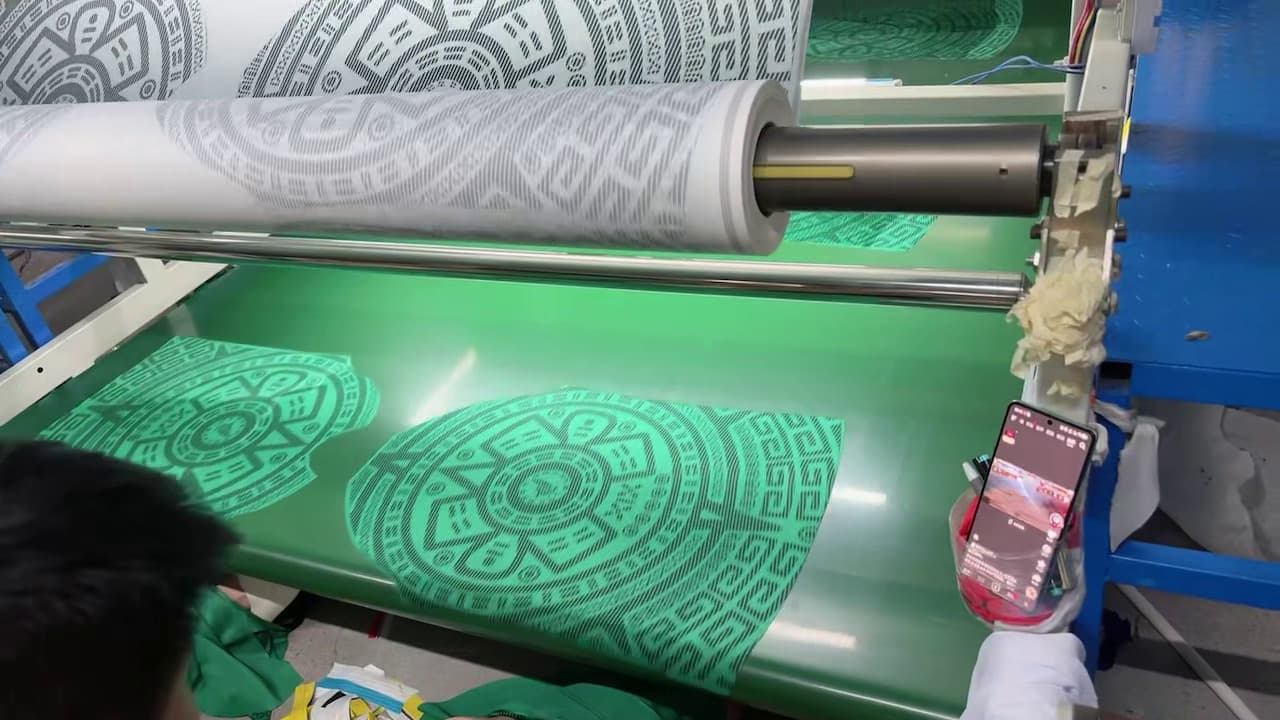
Printing, transfer, and finished QC operations

The factory process library shows visible decoration and finished-garment inspection steps that buyers can map to artwork and QC approvals.

The footage verifies visible operations only and does not establish fabric compatibility, print durability, tolerances, or order acceptance.

View factory evidence

Factory Process Evidence

T-Shirt Print and QC Evidence

T-shirt production needs alignment between jersey, neckline, fit, artwork method, placement, and finished-garment checks.

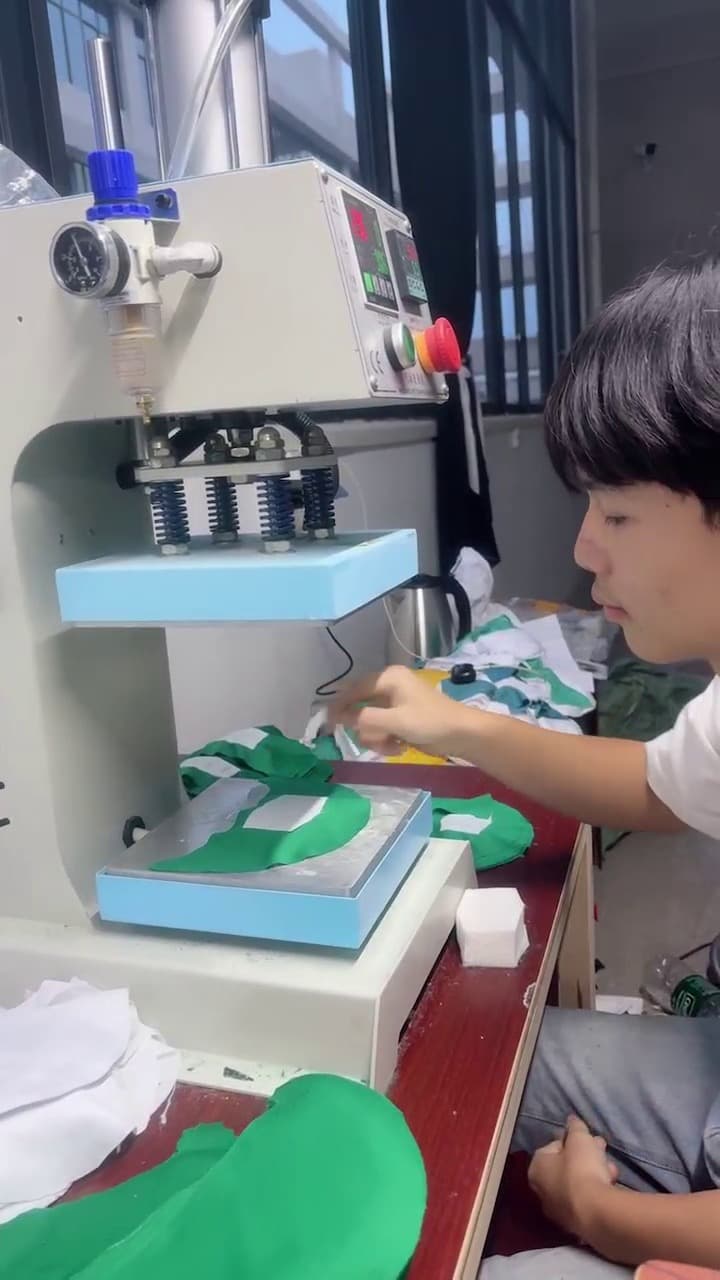
Heat press transfer process

A factory process clip showing a heat press transfer operation used for selected garment artwork routes.

Use this evidence to verify the operation; approve the chosen transfer, fabric behavior, placement, handfeel, and wash test before bulk.

Digital printing process for custom T-shirt artwork
Digital printing is one route; artwork and fabric determine whether it is suitable.
Heat press used for garment artwork transfer
Transfer settings and durability need approval on the selected jersey.
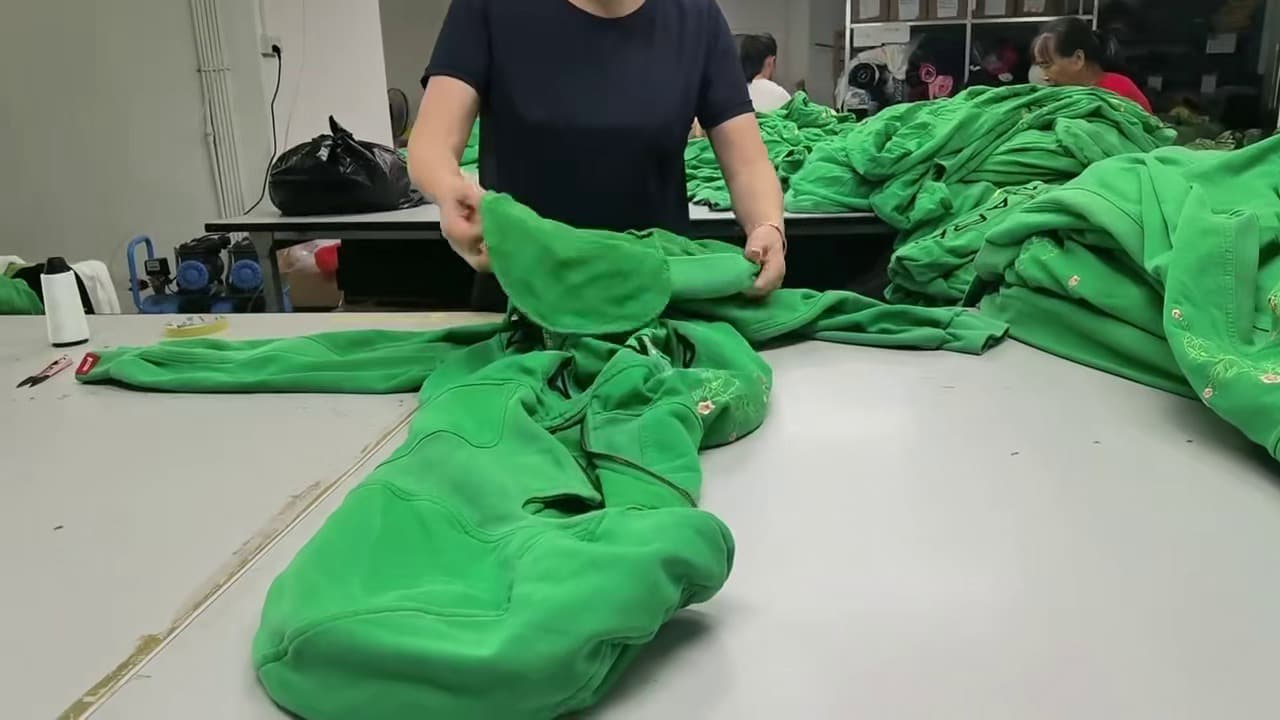
Finished garment QC review at Meiting
Finished QC checks measurements, appearance, decoration, labels, and packing against the approved standard.

What this evidence shows

The media confirms visible print and QC steps. It does not define the GSM, composition, shrinkage, tolerance, or print result for every program.

Deliverables

What you can send, review, and approve.

task_alt

T-shirt fit block

task_alt

Jersey and rib options

task_alt

Artwork strike-off

task_alt

Size spec confirmation

task_alt

Final packed SKU check

Common Questions

What should a T-shirt buyer confirm before requesting a quote?expand_more

Before requesting a T-shirt quotation, confirm jersey GSM, fit, color count, print or embroidery method, MOQ, sample expectations, QC checks, relevant examples, and the details needed for costing.

What should buyers compare before choosing a T-shirt manufacturer?expand_more

When buyers compare suppliers, review jersey weight, fit block, collar construction, print or embroidery techniques, MOQ, sample process, QC controls, case studies, factory video evidence, quote clarity, and the details needed for costing.

Can you make custom cut-and-sew T-shirts?expand_more

Yes. We can create custom patterns, source jersey and rib, build size specs, sample artwork placement, and produce cut-and-sew T-shirts rather than only decorating stock blanks.

Which print method should we choose?expand_more

It depends on artwork, handfeel, quantity, color count, and fabric. We can compare screen print, DTG, embroidery, and specialty effects during sampling.

What is your MOQ for custom T-shirts?expand_more

Flexible MOQ starts at 150 pcs per style/color. Fabric, color, decoration, trim, packaging, and delivery requirements are confirmed before production. Custom dyeing, fabric knitting, print setup, label packages, color count, and packaging can change the workable minimum.

What fabric options do you support for T-shirts?expand_more

We support compact cotton jersey, combed cotton jersey, heavyweight jersey, cotton-spandex, slub jersey, rib collars, neck tape, washed cotton, and selected recycled or preferred material routes when the MOQ and documentation fit the project.

How long does T-shirt sampling take?expand_more

T-shirt sampling is usually 10–25 calendar days after jersey, rib, fit, artwork, labels, and color details are confirmed. Custom-dyed fabric, specialty yarn, garment wash, or multi-placement artwork may add development time.

How do you control T-shirt quality in bulk?expand_more

QC checks fabric weight, shrinkage, neck rib recovery, shoulder and sleeve balance, body length, print placement, color fastness, label accuracy, packed size ratio, folding method, and carton marks before shipment.

RFQ Ready

Send the product details you already have.

Send your T-shirt fit reference, jersey GSM, quantity, artwork, print or embroidery method, label package, color list, and shipping country. We will review MOQ, sample route, QC checkpoints, similar project examples, and quote details before quoting. If you are unsure whether to use screen print, DTG, embroidery, or private label blanks, include the artwork and target retail position so we can compare practical production options.

Request a Quote