Meiting Garments logo mark

Tech Pack Tips · 9 min read

Apparel Sampling Process: From Reference Sample to Bulk Approval

Quick answer: If you are trying to start hoodie or apparel sampling with references, photos, or a mood board but no complete tech pack, you should not wait for a perfect tech pack; you should send a structured sample brief because sampling is the bottleneck, not the document. Thesis: the article must prove which details are enough to start sampling and which details must be locked before bulk. Sampling is where a creative product becomes a production standard. Whether you start with a tech pack, sketch, reference garment, or photos, the sampling process should turn missing details into measurable decisions with a streetwear factory before bulk production starts. Our apparel sampling service page covers how those fit, decoration, and PP samples become the bulk standard.

factoryBy Meiting Garments Editorial TeamEditorial guidance with factory-process input
Sampling GuideBuilt for brands, sourcing teams, and growth outreach
01

Thesis-driven article plan

This thesis controls the article before any outline is written: you should not wait for a perfect tech pack; you should send a structured sample brief because sampling is the bottleneck, not the document. The rest of this guide proves the thesis with factory variables, evidence, buyer options, and a next RFQ path.

  • Thesis: you should not wait for a perfect tech pack; you should send a structured sample brief because sampling is the bottleneck, not the document.
  • This thesis controls the article by forcing every section to answer one question: the article must prove which details are enough to start sampling and which details must be locked before bulk.
  • Section proof path: buyer situation -> constraints -> options -> factory recommendation -> RFQ fields.
  • CTA logic: the CTA is not a generic contact button; it asks the buyer to send the exact fields required to test the thesis with a factory.
  • The rest of this guide proves the thesis instead of simply listing definitions or repeating common SEO answers.
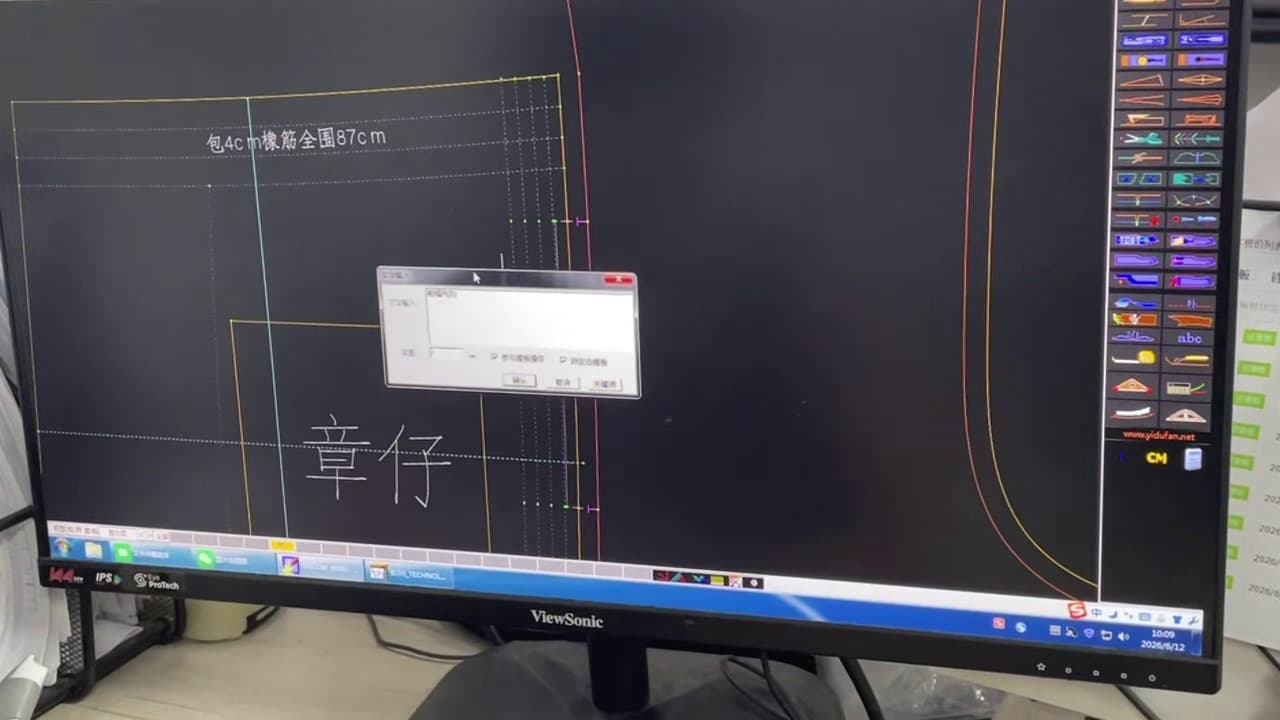
Garment pattern being drafted in CAD software at Meiting Garments pattern room
Sampling starts in the pattern room, not on the sewing floor. Frame from Meiting's own factory floor video — not a stock photo.
02

Factory fact snapshot

Use this factory baseline before making a supplier decision. The goal is to connect the topic to real production variables instead of treating it as a generic apparel blog question.

  • MOQ: confirm whether the minimum applies by style, color, fabric, label, packaging item, or decoration setup
  • Sampling time: Meiting usually plans 10-18 working days after reference, fabric, artwork, fit, label, and packing details are confirmed
  • Bulk production: count bulk lead time after sample approval, material confirmation, and production deposit
  • QC: check measurements, fabric shade, decoration placement, labels, packing, carton marks, and shipment readiness
  • 150 pcs: use 150 pcs per style/color as a practical custom clothing benchmark for flexible MOQ quote comparison
  • RFQ: send quantity, size range, artwork, label plan, packaging requirements, delivery country, and launch date
03

Start with the best available reference

A physical reference garment is ideal, but clear photos, measurements, artwork, and fabric targets can also start the process. The goal is to remove guessing before the first sample is cut.

  • Send front, back, side, and detail photos
  • Mark what should change from the reference
  • Explain target market and fit intent
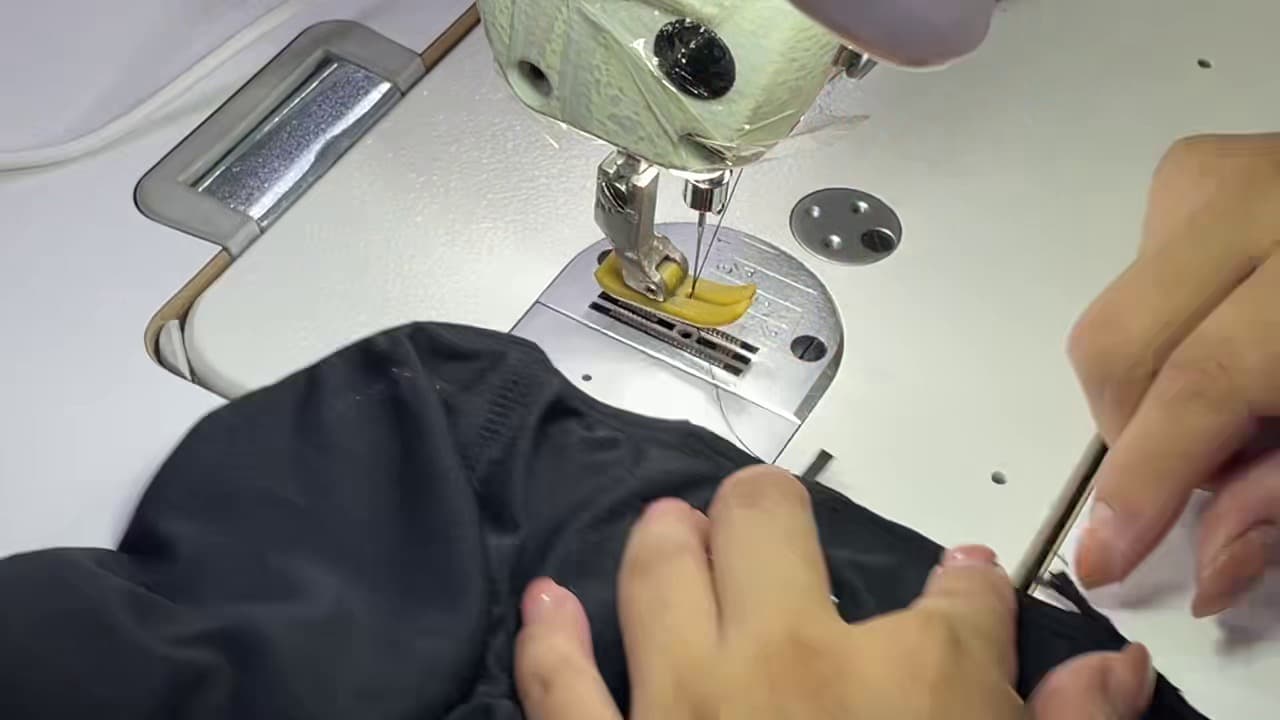
Close-up of an operator guiding fabric through an industrial sewing machine at Meiting Garments
Sample sewing at Meiting — one operator, one garment, full attention. Frame from Meiting's own factory floor video — not a stock photo.
04

Separate fit sample from decoration approval

Fit and decoration often need different review paths. A hoodie fit sample checks body shape and measurements, while embroidery, puff print, or wash effects may need separate strike-offs.

  • Approve fit before bulk cutting
  • Approve artwork strike-offs before decoration
  • Keep revision comments specific and measurable
05

Use the PP sample as the final standard

The pre-production sample should lock material, fit, construction, decoration, labels, and packing. Bulk production should be inspected against this approved sample.

  • Store final comments in writing
  • Confirm tolerances before production
  • Do not approve bulk from vague comments
06

What makes this different from a standard tech pack and reference sample development explanation

This is different from standard industry explanation because it connects the search question to Meiting's real factory variables instead of repeating a definition. Factory rule: a reference photo can start sampling, but the pattern room still needs measurements, fabric target, fit comments, artwork placement, trim choices, and sample approval notes before bulk production. MOQ logic: changes when the factory must create the pattern, revise fit, source fabric, and test decoration before the first order; 150 pcs per style/color is easier to quote after the sample standard is clear. Cost structure: is driven by pattern work, sample fee, revision rounds, fabric sourcing, artwork setup, trim sourcing, and whether the buyer can approve measurements quickly. Production risk: comes from copying a photo without garment measurements, changing the fit after decoration testing, or approving a sample without written comments for bulk tolerance. Region/export difference: matters because US and European buyers often need different size grading, fit tolerance, care-label language, and final packing documentation.

  • Buyer stage: this is for startup brands with references, mood boards, or sample photos who need the factory to translate the idea into production data.
  • Decision logic: compare the factory route, choose the setup that matches the buyer stage, and check the highest production risk before sample approval.
  • RFQ fields that change by product: reference photo, target measurements, fit comments, fabric GSM, artwork placement, trim list, sample deadline, size range, delivery country.
  • Action path: send the product reference, target quantity by style/color, size range, artwork file, label or packaging plan, delivery country, and launch date before asking for a production quote.
  • Factory proof to request: sample photos, similar product case, process video, decoration test, QC checklist, packing method, and carton mark example where relevant.
07

Decision path for this buying situation

Decision Stage: Execution. Decision Lens: Factory Lens. This topic enters the purchase path because the buyer has a product idea or reference and needs to convert it into sample instructions the factory can actually develop and quote. The goal is not to make the article sound different; the goal is to lower the buyer's decision cost before the next RFQ step.

  • Decision blockers: the buyer has reference photos but no measurements, fabric target, artwork placement, or fit comments; the buyer is unsure whether sampling can start before a full tech pack exists; the buyer worries that the approved sample will not become a repeatable bulk production standard.
  • Decision nodes: decide whether a reference photo is enough or whether measurements and a physical sample are needed; lock the sample route before quote comparison: fabric, fit, artwork, trims, labels, and approval comments; confirm what sample comments must be written before bulk cutting and decoration setup.
  • Decision output: send reference photos, target measurements, fabric or GSM target, artwork placement, label plan, sample quantity, delivery country, and launch date.
  • Commercial validation: Can enter RFQ: yes, because missing tech-pack details become a factory-ready sample brief | Reduces uncertainty: yes, because it separates what can start now from what must be clarified | Supports supplier selection: yes, because it reveals which factory can translate references into samples | Clear next action: send a sample-development RFQ instead of waiting for a perfect tech pack.
  • Next RFQ action: use the CTA on this page to send quantity by style/color, size range, fabric or GSM target, artwork, decoration method, label or packaging scope, delivery country, and launch date.
08

Evidence Graph for this recommendation

Evidence Graph: this article separates generic statements from evidence that can support a buying decision. Information Gain Validation: generic SERP answers say a tech pack is useful; this guide adds Meiting's minimum no-tech-pack RFQ fields, pattern-room constraints, and sample approval logic.

  • Evidence tier: SERP gap - most public articles explain the topic, but they rarely connect it to quote scope, sample approval, and supplier selection.
  • Evidence tier: RFQ - the buyer must provide quantity by style/color, size range, fabric or GSM target, artwork, decoration method, label or packaging scope, delivery country, and launch date.
  • Evidence tier: factory SOP - Meiting's internal route starts with sample brief, material confirmation, decoration setup, QC checkpoints, packing method, and export handoff.
  • Evidence tier: QC - the recommendation is only useful if it can be checked through measurements, fabric shade, decoration placement, labels, packing, carton marks, and shipment readiness.
  • Information Gain Validation: generic SERP answers say a tech pack is useful; this guide adds Meiting's minimum no-tech-pack RFQ fields, pattern-room constraints, and sample approval logic.

Checklist

  • task_altReference sample or clear product photos
  • task_altTarget size and measurement expectations
  • task_altFabric and GSM target
  • task_altArtwork file and placement notes
  • task_altLabel and packaging requirements
  • task_altWritten sample comments and PP approval
  • task_altTarget quantity by style/color

Common Mistakes

  • errorGiving visual comments without measurements
  • errorChanging fabric after fit approval
  • errorSkipping decoration strike-offs
  • errorApproving bulk before PP sample review

Want us to review your project details?

Send your tech pack, reference photos, quantity, target timeline, or current supplier problem. We will respond with a practical next step.

Send RFQ