Meiting Garments logo mark

From specification to shipment

Tech Pack to Production

Turn your tech pack into a controlled production program.

Our tech pack to production service reviews the files for a real garment brief, identifies decisions that block reliable costing or sampling, and carries the approved specification into sample and bulk-control checkpoints. The file is an input to review, not automatic proof that a style is feasible or production-ready.

Send a complete or partial tech pack, sketch, reference garment, photos, measurement file, or an existing revision set. We separate missing factory inputs from decisions the buyer must approve, while the apparel tech pack checklist guide remains the educational reference for teams learning what a complete file should contain.

Tech Pack to Production production reference

Flexible MOQ Guide

Flexible MOQ starts at 150 pcs per style/color. Fabric, color, decoration, trim, packaging, and delivery requirements are confirmed before production.

Ideal For

  • check_circleDesign teams with completed or partial tech packs
  • check_circleBrands preparing for first bulk order
  • check_circleBuyers who need sample comments converted into production controls

Materials

The review scope can cover product identity, base size and graded range, measurements and tolerances, bill of materials (BOM), fabric composition and construction, GSM or weight direction, trims, seam and construction notes, artwork files and placements, colorways, labels, packaging, quantity, destination, and project-specific test or document requirements.

Lead Time

Timing depends on tech pack completeness and material readiness. Clear measurements, artwork files, and reference samples reduce sampling rounds. Typical sample planning window: 10–25 calendar days after the product scope, materials, and approval inputs are confirmed. Complex fabrics, washes, trims, or decoration may extend the cycle. Standard bulk production: approximately 20–30 days after sample and material approval. Complex washes, custom fabrics, special trims, extensive decoration, or custom packaging: approximately 45–60 days. Final timing is confirmed after reviewing the tech pack, quantity, materials, and finishing requirements.

Buyer Decision Table

Start from the file state you actually have.

Different inputs require different gap-closure work. The review defines what can be costed or sampled and what still needs buyer approval.

Starting inputReview and gap-closure scopeBuyer approval before handoff
Complete tech packCheck internal consistency across measurements, tolerances, BOM, construction, artwork, labels, packaging, colorways, size range, and revision date.Confirm corrected conflicts, acceptable substitutions, costing scope, sample objective, quantity, market, destination, and required timing.
Partial tech packIdentify missing or contradictory fields and separate quote-blocking gaps from details that can remain open until sampling.Approve the gap list, priority decisions, version owner, measurements, materials, artwork, labels, and packaging direction.
Sketch, photos, or written briefTranslate visual direction into measurable product identity, base size, silhouette, construction, BOM, artwork, colorways, labels, and packing questions.Approve the documented brief and target measurements before pattern or sample work is treated as the next stage.
Reference garment or revision setRecord what should be retained, changed, measured, or retested and reconcile earlier sample comments with the current file version.Approve reference custody, consolidated revision notes, updated measurement chart, selected route, and written sample release.

Production Flow

From first review to shipment-ready goods.

Each step is designed to reduce production risk before bulk starts: missing specs, fabric readiness, fit approval, quality checkpoints, and export handoff.

01

Register the file state and review version

Record which tech pack, measurement sheet, bill of materials, artwork, colorway, label, packaging, reference garment, and comment file is current. Conflicting versions are listed before costing or pattern work begins.

02

Close quote and sample gaps

Review measurements and tolerances, construction, BOM and material direction, trims, artwork placements, labels, packaging, size range, colorways, quantity, destination, and timing. Open points are returned as decisions rather than silently assumed.

03

Connect the reviewed file to costing and sampling

Confirm which materials, trims, decoration steps, patterns, and tests need supplier input or a physical sample. The quote and sample objective remain conditional on the reviewed route and approved alternatives.

04

Freeze approvals for bulk control

Record sample revisions, approved measurements, BOM, construction, artwork, labels, packaging, tolerances, and exceptions in one current release set. Bulk proceeds from written buyer approval of that set and the approved pre-production sample.

Quality Control

QC standards are defined before bulk starts.

The current approved tech pack, revision record, BOM, artwork and label files, packing instructions, tolerances, and pre-production sample form the project-specific reference for bulk checks. Review does not replace buyer approval or establish a universal inspection standard.

Public Case and Factory Evidence

Patchwork long-sleeve production-board reference

The public patchwork case shows how a sketch, fabric split, layered sleeve construction, artwork, measurements, and QC release questions were organized into a visible review trail.

The case documents one file-to-production route and does not establish readiness, feasibility, revision count, cost, timing, or outcome for another file.

Review production case
CAD pattern and factory-process evidence

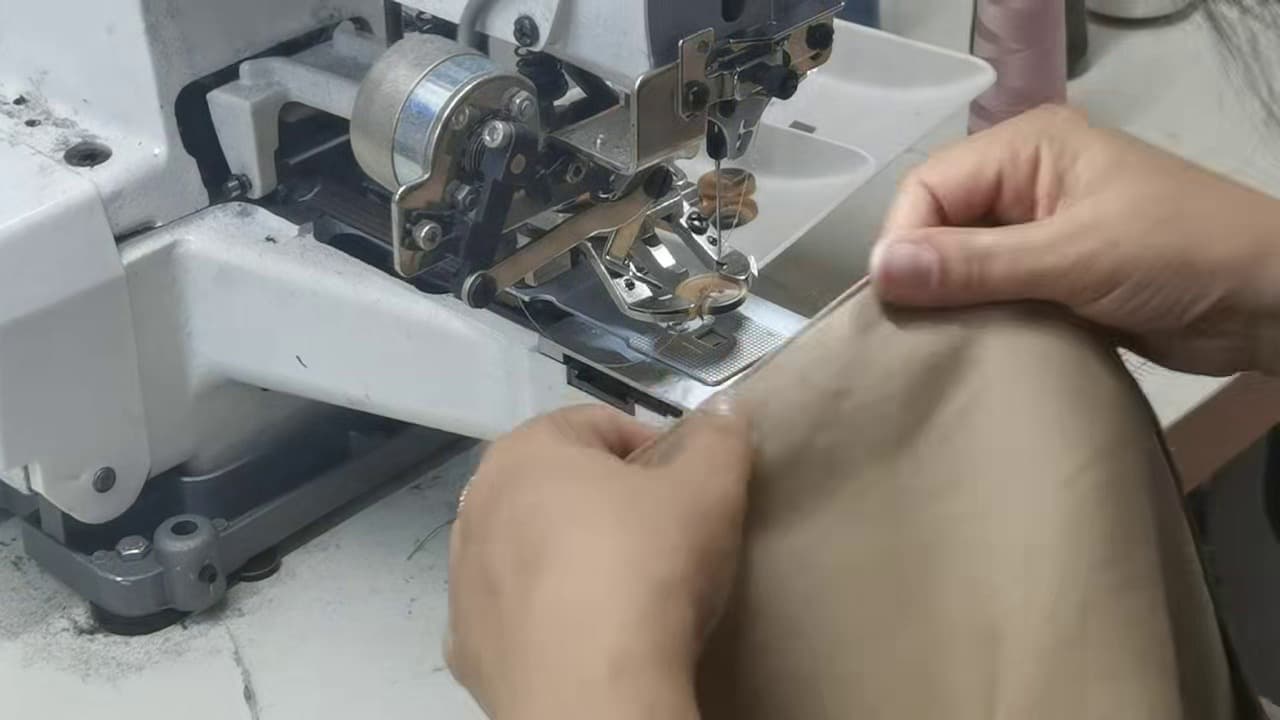
The public factory-process library shows CAD pattern, cutting, sewing, decoration, inspection, and packing operations that can be connected to file and approval checkpoints.

The footage shows visible operations only and does not verify the accuracy, ownership, legal status, or production readiness of a submitted tech pack.

View factory evidence

Factory Process Evidence

File-to-Pattern Review Evidence

A tech pack review becomes useful when measurements, construction, materials, artwork, and version decisions connect to visible pattern and production checkpoints.

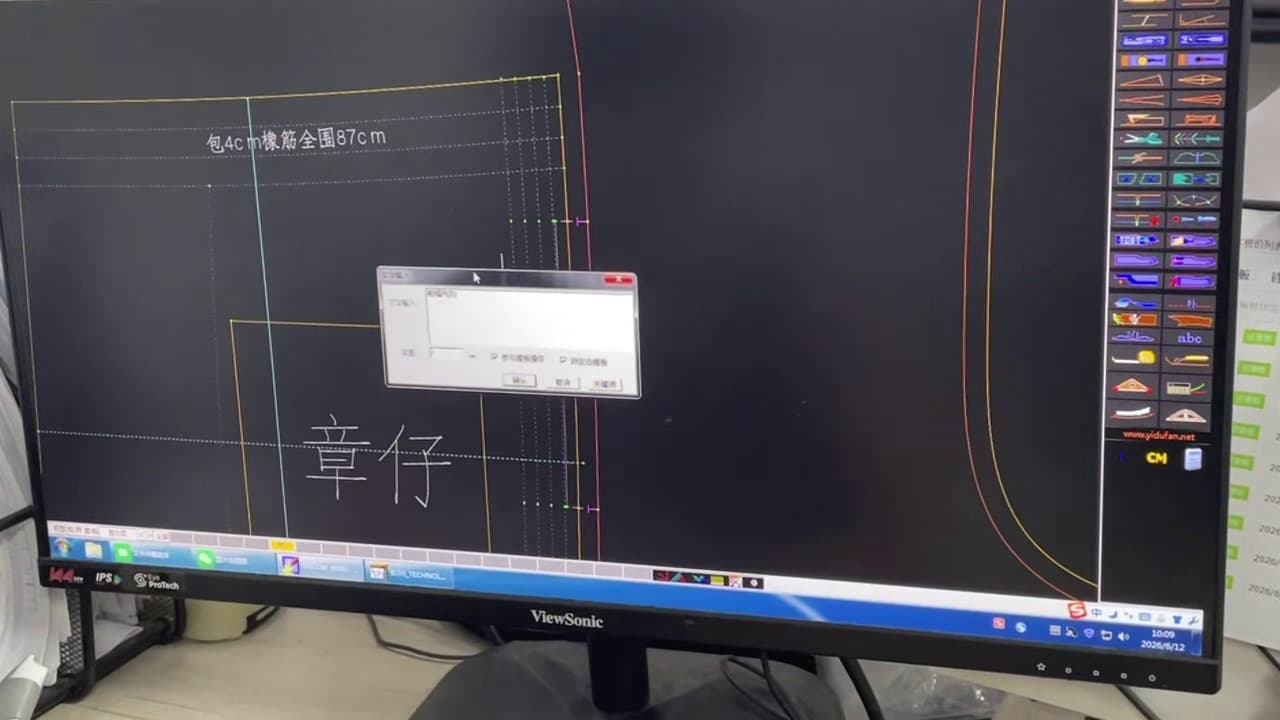
CAD pattern development from approved inputs

A factory process clip showing CAD pattern work used after measurements and construction direction are defined.

Use this evidence to verify a pattern-development operation; the current file version, measurements, tolerances, and buyer approvals still define the project reference.

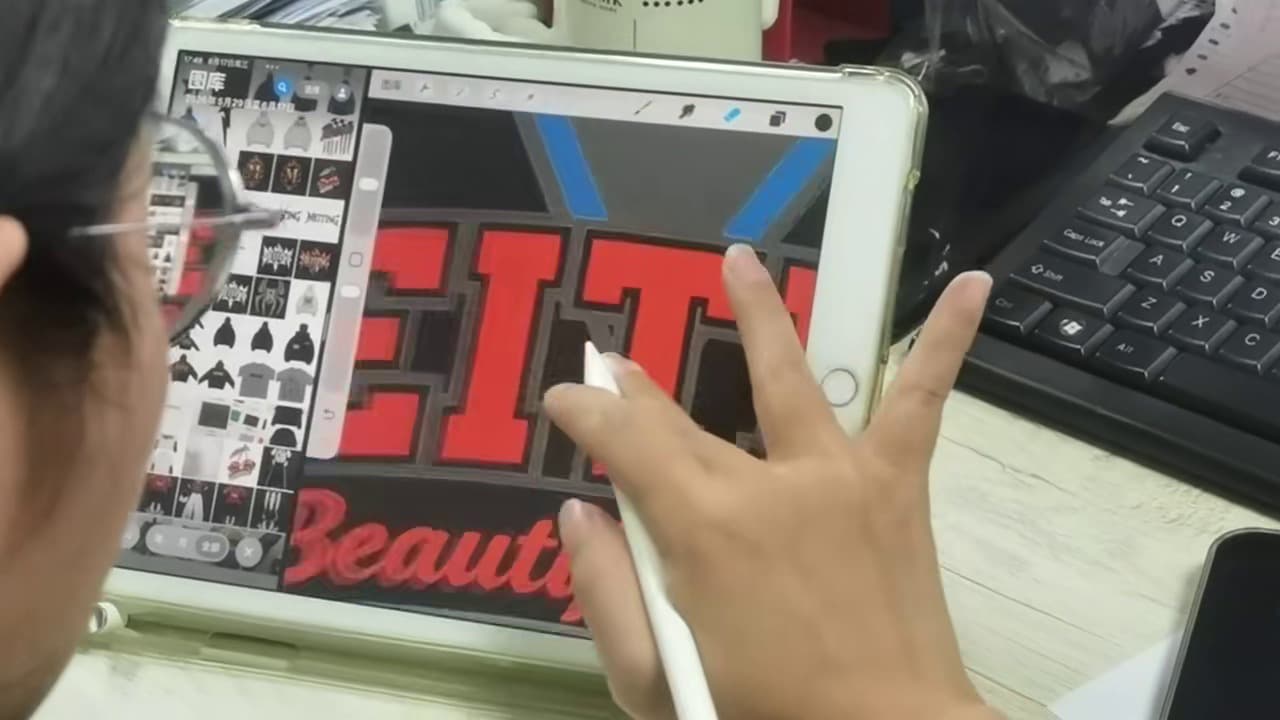
Garment artwork and design reference review on an iPad
Visual references need dimensions, file versions, techniques, and placement decisions before production use.
CAD pattern workstation used in garment development
Pattern work translates approved measurement and construction inputs into a sample reference.
Garment label references prepared for file and placement review
Label files, content, placement, supplier terms, and packing use remain separate approval items.

What this evidence shows

The media shows general Meiting workflow operations. It does not prove that a submitted file is accurate, legally cleared, production-ready, feasible, or approved for bulk.

Deliverables

What you can send, review, and approve.

task_alt

Tech pack review notes

task_alt

Cost and MOQ feedback

task_alt

Sample comments tracker

task_alt

Pre-production approval standard

task_alt

Bulk QC reference pack

Common Questions

Can you review our tech pack before quoting?expand_more

Yes. We review measurements, construction, fabric, trims, artwork, labels, packing, tolerance notes, and risk areas before confirming a reliable quote.

What if our tech pack is incomplete?expand_more

If your tech pack is incomplete, we identify missing details and help fill gaps using reference samples, photos, buyer priorities, target measurements, and artwork notes before sampling.

What should a production-ready tech pack include?expand_more

A production-ready tech pack should include flat sketches, measurements, grading, fabric specs, trims, artwork files, label placement, construction notes, tolerance rules, packing method, colorways, and size ratio details.

Can you turn fit comments into production instructions?expand_more

Yes. We can translate fit comments into measurement changes, pattern notes, seam construction updates, trim changes, and pre-production sample requirements so bulk production follows a clear approved standard.

How long does tech-pack-based sampling take?expand_more

Sampling usually takes 10–25 calendar days after the tech pack, measurements, fabric, trims, artwork, and label details are confirmed. Missing specs, custom materials, and multiple revision rounds can extend the schedule.

What QC standard is used after tech pack approval?expand_more

QC uses the approved tech pack and pre-production sample as the production standard. Checks include measurements, construction, fabric shade, trim placement, artwork, labels, packing, carton marks, and final inspection before shipment.

How is this service different from the tech pack checklist guide?expand_more

The guide explains which fields apparel teams should understand. This service reviews the files for a specific product, records gaps and version conflicts, and connects approved decisions to costing, sampling, revisions, and bulk-control references.

RFQ Ready

Send the product details you already have.

Upload the current file set and identify the product, base size and size range, measurements and tolerances, BOM or material direction, construction, artwork, labels, packaging, colorways, estimated quantity, destination market, and required timing. We will identify open decisions and the next review step. Feasibility, costing scope, sample route, revision work, supplier inputs, and timing remain subject to the actual files and project review.

Request a Quote