Meiting Garments logo mark

Pricing/MOQ · 8 min read

Private Label Packaging MOQ Explained for Brands

Quick answer: private label packaging MOQ is often separate from garment MOQ because neck labels, woven labels, care labels, hangtags, stickers, polybags, barcode labels, and carton marks may come from different material suppliers. A 150 pcs garment run can still require a simpler packaging route if each branding item has its own setup minimum.

Packaging MOQBuilt for brands, sourcing teams, and growth outreach
01

Factory fact snapshot

Packaging should be scoped before sampling because it affects sewing, packing, QC, carton planning, and final receiving.

  • MOQ: garment MOQ and packaging MOQ can be separate; ask which items have their own minimums
  • Sampling time: labels and packaging should be reviewed during the 10-18 working day sample process when possible
  • Bulk production: final label, barcode, polybag, and carton rules should be locked before packing starts
  • QC: private label QC should check placement, care content, barcode readability, polybag size, packing ratio, and carton marks
  • 150 pcs: for first custom runs, keep packaging realistic so branding does not create avoidable cost and delay
02

Why packaging MOQ is separate from garment MOQ

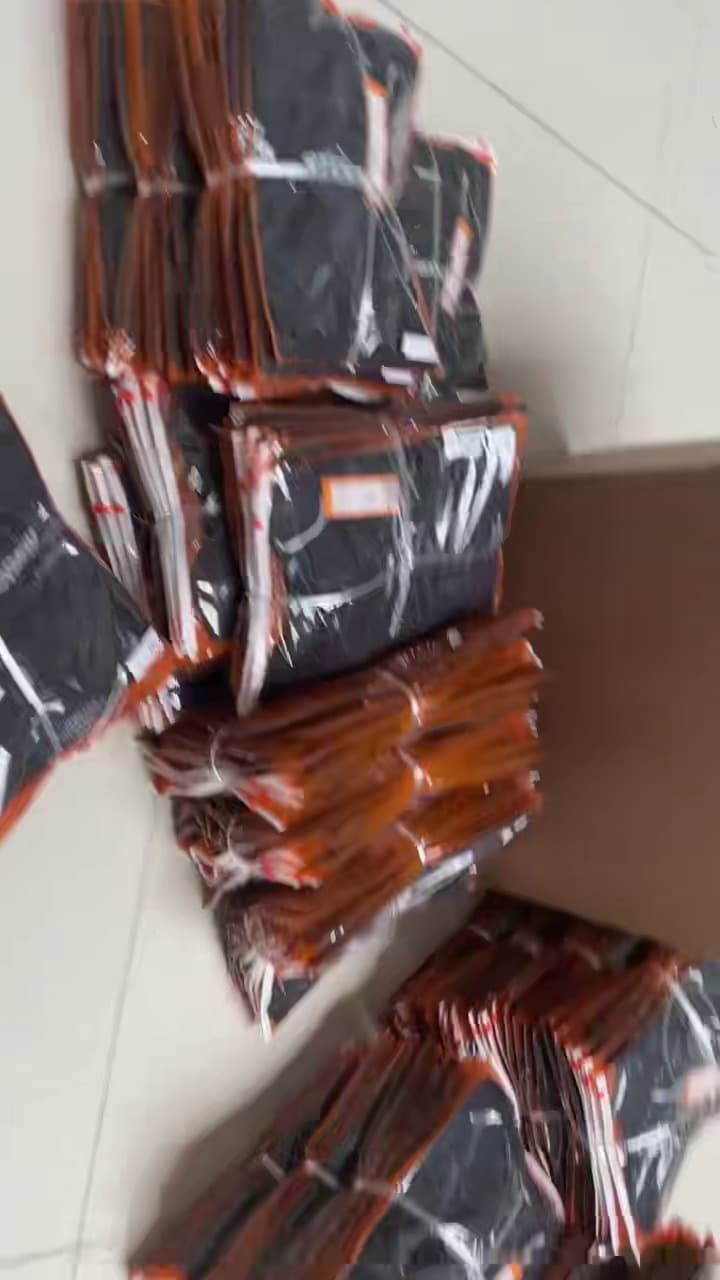
A clothing factory may sew 150 pcs of a style, but label, hangtag, and packaging vendors may price or produce their materials by different minimums. This is why a quote must separate garment production from branding items.

  • Woven labels may need loom setup, material choice, size confirmation, and color matching
  • Hangtags may have paper stock, printing, string, barcode, and finishing minimums
  • Polybags and stickers may require size, warning text, barcode, and carton packing confirmation
  • Carton marks depend on receiving rules, SKU details, destination, and packing ratio
03

Decision table: basic, branded, or retail-ready packaging

Choose the packaging route based on buyer stage. A first drop should not automatically copy a large retail brand's packaging system.

  • Basic route: main label, care label, standard polybag, and export carton for lower complexity
  • Branded route: woven neck label, hangtag, sticker, polybag, and carton mark for DTC launches
  • Retail-ready route: barcode, SKU stickers, size ratio, carton compliance, and stricter packing photos
  • Reorder route: keep approved label and packing specs documented for repeat runs
04

How to keep first-run packaging realistic

For low MOQ private label programs, the goal is to look professional without creating a packaging system that is heavier than the garment order itself.

  • Start with the label items customers actually see and need for care compliance
  • Delay premium tissue paper, custom cartons, or complex inserts until product demand is validated
  • Use editable logo files and confirm label dimensions before sampling
  • Ask the factory which packaging items can be combined with the garment sample approval
05

What to send for a private label packaging quote

A packaging RFQ should be specific. If the buyer only says private label, the factory has to guess which branding items are included.

  • Logo files, label dimensions, material preference, colors, and placement
  • Care content, size scale, country requirements, and language needs
  • Hangtag, string, barcode, sticker, and polybag size requirements
  • Carton marks, packing ratio, warehouse receiving notes, and final photo needs
06

Editorial quality control before publishing

This guide is not a directly published AI draft. AI can help organize research, but Meiting treats every technical blog as a human-reviewed buyer decision page: factory facts, sample experience, quote logic, and post-publish ranking signals are checked before the content is treated as useful.

  • Human review: production, sampling, fabric, decoration, MOQ, QC, packing, and export claims are checked against Meiting's factory workflow before publishing.
  • Factory data: the guide uses real operating benchmarks such as 150 pcs MOQ planning, 10-18 working day sampling windows, product sample references, QC checks, and packing or shipment steps where relevant.
  • Sample/case inputs: examples are tied back to product samples, factory process videos, buyer RFQ questions, or case-study style decisions instead of generic wording.
  • AI draft risk control: content is rewritten for buyer intent, verified terminology, and information gain so it is not a thin AI summary with no original data source.
  • Post-publish validation: Search Console impressions, CTR, average position, guide-to-service clicks, and RFQ-assisted paths are monitored after indexing.

Checklist

  • task_altLogo vector file
  • task_altNeck label, care label, and size label requirements
  • task_altHangtag, barcode, sticker, and string details
  • task_altPolybag size and warning text
  • task_altCarton mark and packing ratio
  • task_altQuantity by style/color/size
  • task_altSample approval and photo proof needs
  • task_altDestination country or warehouse requirements

Common Mistakes

  • errorAssuming private label packaging is automatically included in garment MOQ
  • errorUsing too many branding items for a 150 pcs first run
  • errorSending only a logo image without size, material, color, or placement
  • errorChanging hangtags, barcodes, or polybags after bulk sewing is complete
  • errorForgetting care label content and destination compliance until shipment

Want us to review your project details?

Send your tech pack, reference photos, quantity, target timeline, or current supplier problem. We will respond with a practical next step.

Send RFQ