Meiting Garments logo mark

Small batch manufacturing

Low MOQ Clothing Manufacturer

Start at 150 pcs per style/color without losing production control.

A low MOQ clothing manufacturer should help you reduce launch risk, not push you into a weak product. For custom apparel, the real question is how to balance MOQ, fabric availability, decoration setup, labels, packing, QC, and unit cost.

Meiting Garments supports focused first runs for streetwear and apparel brands, with many programs starting at 150 pcs per style/color. That quantity keeps the run small enough for market validation while giving enough volume to make fabric cutting, sewing, decoration, inspection, and export packing realistic.

Use this page if you are comparing 50 pcs, 150 pcs, 300 pcs, and 500 pcs options, planning small batch streetwear production, or trying to understand custom clothing manufacturing cost before sending an RFQ.

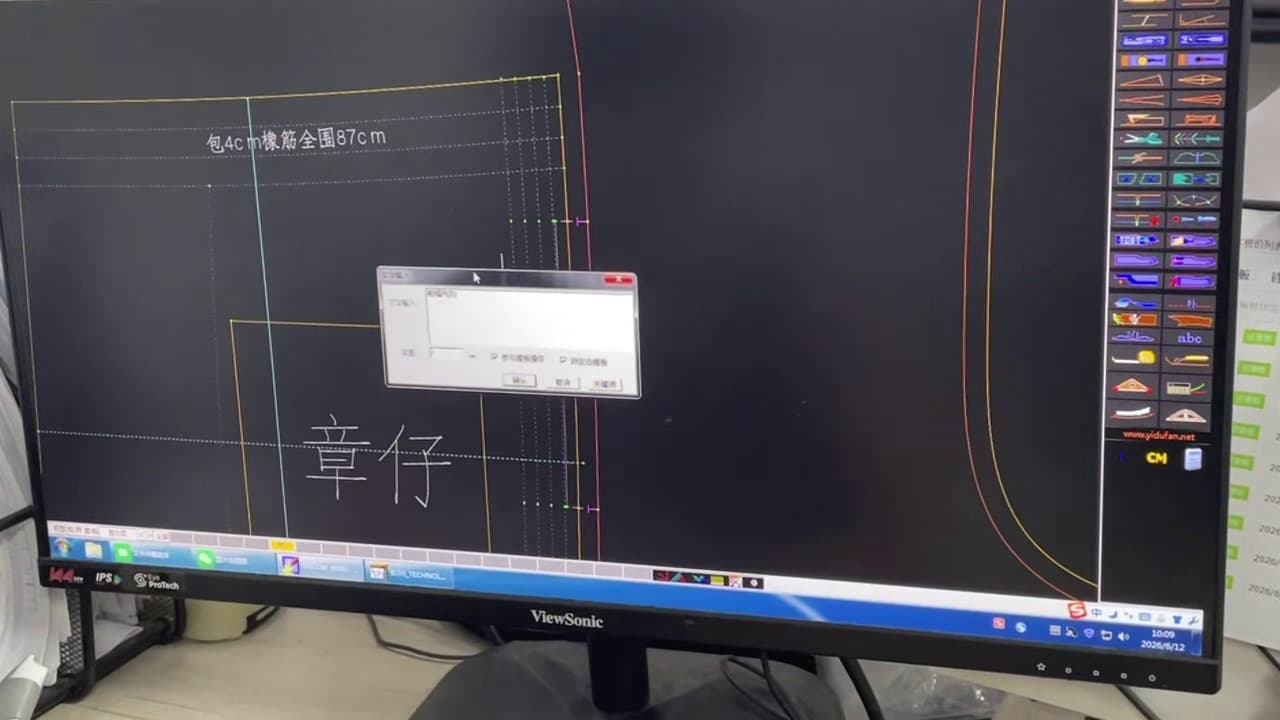
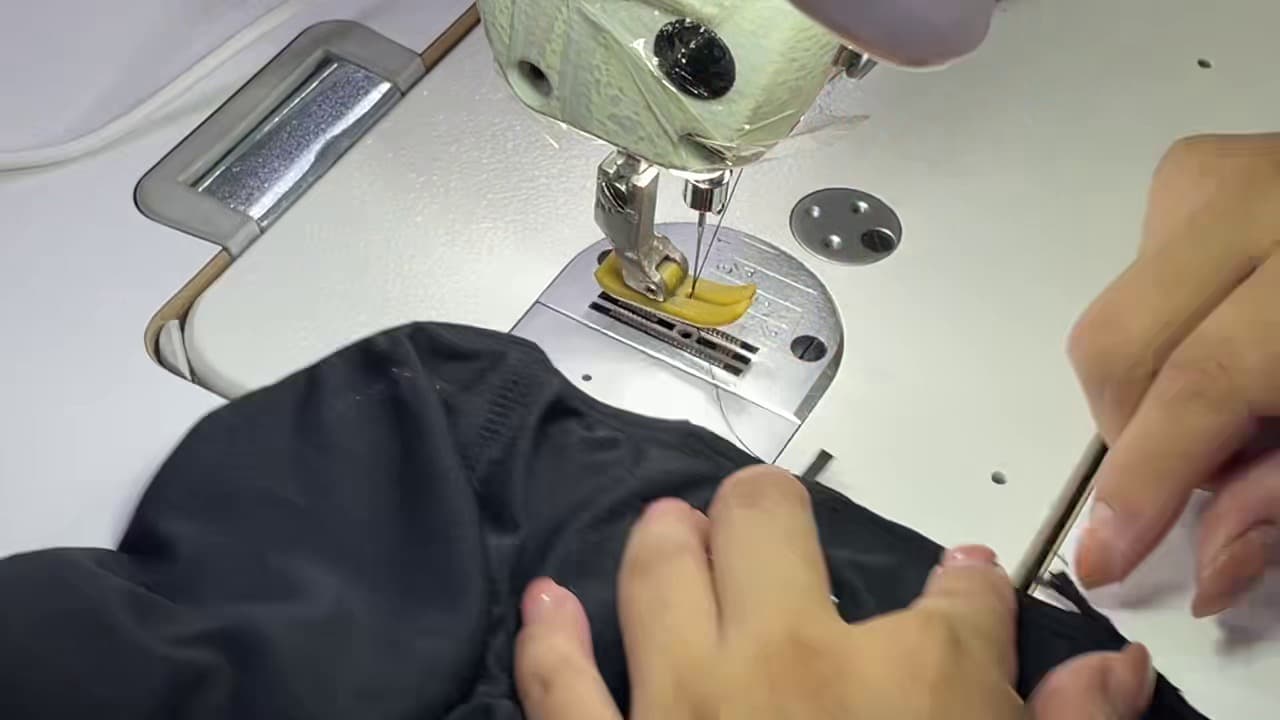
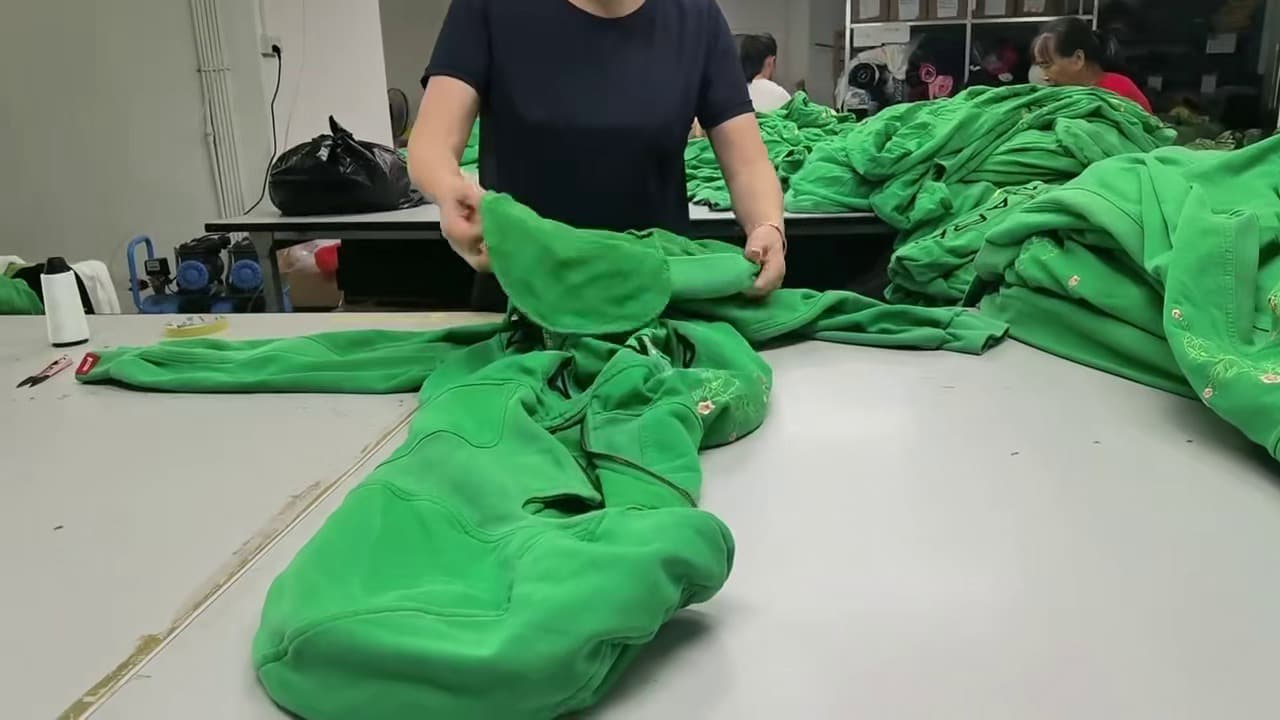
Low MOQ Clothing Manufacturer production reference

MOQ Guide

Start at 150 pcs per style/color for many jersey, fleece, hoodie, T-shirt, and private label programs. Lower quantities can work for sample development, but bulk production below this point often raises unit cost sharply or limits custom fabric, color, label, wash, and decoration options. Higher MOQs such as 300 pcs, 500 pcs, or 1000 pcs usually improve unit cost and material flexibility.

Ideal For

  • check_circleStartup brands validating a first hoodie, T-shirt, or capsule drop
  • check_circleExisting brands testing a new category before scaling volume
  • check_circleE-commerce teams launching focused private label apparel programs
  • check_circleStreetwear brands that need custom cut-and-sew rather than blank decoration
  • check_circleBuyers comparing low minimum order clothing manufacturers and hidden production fees

Materials

In-stock jersey, heavyweight cotton, fleece, French terry, rib, washed cotton, denim, nylon, basic trims, stock or custom labels, screen print, embroidery, puff print, heat transfer, woven patches, hangtags, care labels, polybags, cartons, barcode stickers, and simple packaging formats that suit low MOQ launches.

Category Scope

How low MOQ economics work

50 pcs vs 150 pcs

A 50 pcs run may work for sample sales, influencer seeding, or blank decoration, but custom cut-and-sew costs are usually high because pattern, cutting, print setup, labels, and QC are spread over very few pieces. At 150 pcs, custom production becomes more realistic without forcing a large inventory bet.

150 pcs vs 300 pcs

At 150 pcs per style/color, brands can validate demand and keep launch risk controlled. At 300 pcs, unit cost often improves because fabric usage, decoration setup, packing, and labor are spread over more units. The better choice depends on confidence in the design and sales channel.

300 pcs and 500 pcs scaling

Runs around 300 pcs and 500 pcs usually open more flexibility for custom dyeing, trims, multiple size ratios, and more competitive unit cost. We often recommend building the first spec so it can scale cleanly after the 150 pcs test.

Hidden fees to plan for

Low MOQ budgets should include sampling fees, fabric minimums, decoration setup, labels, packing, freight, duties, pattern adjustments, print screens, embroidery digitizing, wash tests, and inspection requirements. Clear planning prevents a low unit quote from turning into a surprise total cost.

Small batch streetwear production

Streetwear launches often work best with a focused number of silhouettes: one hoodie, one heavyweight tee, one washed style, or a tight two-piece set. Fewer colors and cleaner trim choices usually protect quality more than pushing MOQ lower.

Private label at low MOQ

Custom neck labels, care labels, hangtags, woven patches, polybags, stickers, and carton marks can be added to low MOQ programs, but each supplier may have its own minimum. We help align the label package with the first run instead of overbuilding packaging too early.

Lead Time

Low MOQ programs move fastest when materials are available, artwork is ready, and the launch is focused. Sampling often takes 10-18 working days after details are confirmed. Bulk production commonly takes 25-45 days after sample approval. Custom dyeing, garment washing, special trims, complex packaging, or multi-placement decoration can add time and minimums.

Production Flow

From first review to shipment-ready goods.

Each step is designed to reduce production risk before bulk starts: missing specs, fabric readiness, fit approval, quality checkpoints, and export handoff.

01

Scope the smallest sensible launch

We help narrow the first run by style, color, fabric, size range, artwork, label package, and target launch date. The goal is not simply the lowest number; it is the lowest production plan that still lets the finished product feel like your brand.

02

Map MOQ, cost, and hidden fees

We review sampling fees, fabric minimums, decoration setup, labels, packing, freight, duties, pattern work, wash trials, embroidery setup, print screens, and trim supplier minimums. This is where many low MOQ quotes become confusing, so we separate garment MOQ from supplier setup costs.

03

Sample before committing to bulk

A fit sample or pre-production sample confirms fabric, measurements, decoration, labels, packing, and QC tolerances before the 150 pcs run starts. This is especially important for first-time streetwear brands working with oversized fits, heavyweight fleece, washed tees, or puff print.

04

Produce, inspect, and prepare for reorder

Bulk production includes inline checks, final QC, packing by SKU, carton marks, and production notes that make the next reorder easier. A good first low MOQ run should validate both sales demand and the production route.

Quality Control

QC standards are defined before bulk starts.

QC stays the same for low MOQ: measurement review, fabric and shade checks, stitching, decoration placement, print or embroidery quality, label accuracy, folding, packing accuracy, carton marks, and final inspection. Low quantity should not mean loose standards, because the first run defines the pattern for reorders.

Typical Use Cases

First hoodie launch

A startup brand begins with one oversized hoodie at 150 pcs per color. We simplify fabric, rib, label, and print decisions so the product is custom enough to sell, but not too complex for the first production run.

Two-style capsule

An e-commerce team tests one heavyweight T-shirt and one washed hoodie. We separate sample cost, bulk MOQ, decoration setup, label cost, and packing so the team can decide whether to launch both styles or stage them.

Reorder-ready validation

A brand uses the 150 pcs first run to test sales, then scales the same spec to 300 pcs or 500 pcs. Because the first run kept pattern, fabric, trim, and QC notes clean, the reorder is easier to quote and schedule.

Deliverables

What you can send, review, and approve.

task_alt

Launch scope recommendation by style, color, and quantity

task_alt

MOQ and hidden cost risk notes

task_alt

Sample, fit, decoration, and revision plan

task_alt

Bulk production and QC plan for the first 150 pcs run

task_alt

Scale-up notes for 300 pcs, 500 pcs, or reorder planning

Common Questions

What is the lowest MOQ you can support for bulk production?expand_more

A common starting point is 150 pcs per style/color for many custom apparel programs. Samples can be made in smaller quantities, but true bulk production below 150 pcs often increases unit cost or limits custom fabric, dyeing, labels, decoration, and packaging options.

Will low MOQ increase unit cost?expand_more

Usually yes. Smaller runs carry higher unit costs because sampling, fabric setup, cutting, sewing, decoration, labels, packing, and QC are spread over fewer pieces. Moving from 150 pcs to 300 pcs or 500 pcs often improves unit cost.

Can I start a streetwear brand with 150 pcs?expand_more

Yes, if the launch is focused. We usually recommend starting with one or two strong styles, limited colors, available materials where possible, and a clear decoration plan. This keeps inventory risk controlled while still creating a custom product.

What hidden fees should I plan for?expand_more

Plan for sampling fees, pattern work, fabric minimums, decoration setup, labels, packing, freight, duties, print screens, embroidery digitizing, wash tests, inspection needs, and possible trim supplier minimums. We call these out before sampling or bulk confirmation.

Can low MOQ include private label details?expand_more

Yes. Low MOQ programs can include custom neck labels, care labels, hangtags, polybags, stickers, woven patches, and carton marks. Some label or packaging suppliers have separate minimums, so we recommend a practical first-run label package.

Should I choose 50 pcs, 150 pcs, 300 pcs, or 500 pcs?expand_more

Choose 50 pcs for very limited validation or sample sales, 150 pcs for a realistic custom first run, 300 pcs for better unit cost, and 500 pcs when the design and sales channel are already validated. We can compare these tiers after seeing your garment, artwork, and launch plan.

RFQ Ready

Send the product details you already have.

Send your target style, quantity, colors, artwork, size range, fabric preference, and budget range. We will review whether 150 pcs per style/color is realistic, what hidden setup costs may apply, and how to simplify the first run without weakening the product.For startup brands, a focused first production plan is usually more useful than chasing the lowest possible MOQ.

Request a Quote