
01Define heavyweight by fabric behavior
Heavyweight hoodies often use 320-420 GSM fleece or French terry, but a number alone does not guarantee quality. Yarn, brushing, compactness, shrinkage, and finish determine whether the hoodie feels premium or just heavy.
- Check GSM together with handfeel and drape
- Review shrinkage before approving the fit
- Confirm rib recovery after wash and wear
02French Terry vs Fleece
French terry has looped backing and can feel cleaner, lighter, and more breathable. Fleece has brushed backing and usually feels warmer and softer. Streetwear hoodies can use either, but the choice affects silhouette, print behavior, shrinkage, and seasonality.
- Choose French terry for cleaner drape and transitional wear
- Choose brushed fleece for warmth and plush handfeel
- Test decoration on the actual selected fabric
03Build the fit block before chasing details
Oversized, boxy, cropped, regular, and drop-shoulder hoodies require different patterns. The sample should check shoulder drop, sleeve width, body length, hood size, pocket placement, rib tension, and how the garment photographs on body.
- Measure from stable points, not only visual references
- Check sleeve opening and cuff tension
- Approve grading rules before bulk
04Plan decoration around fabric and placement
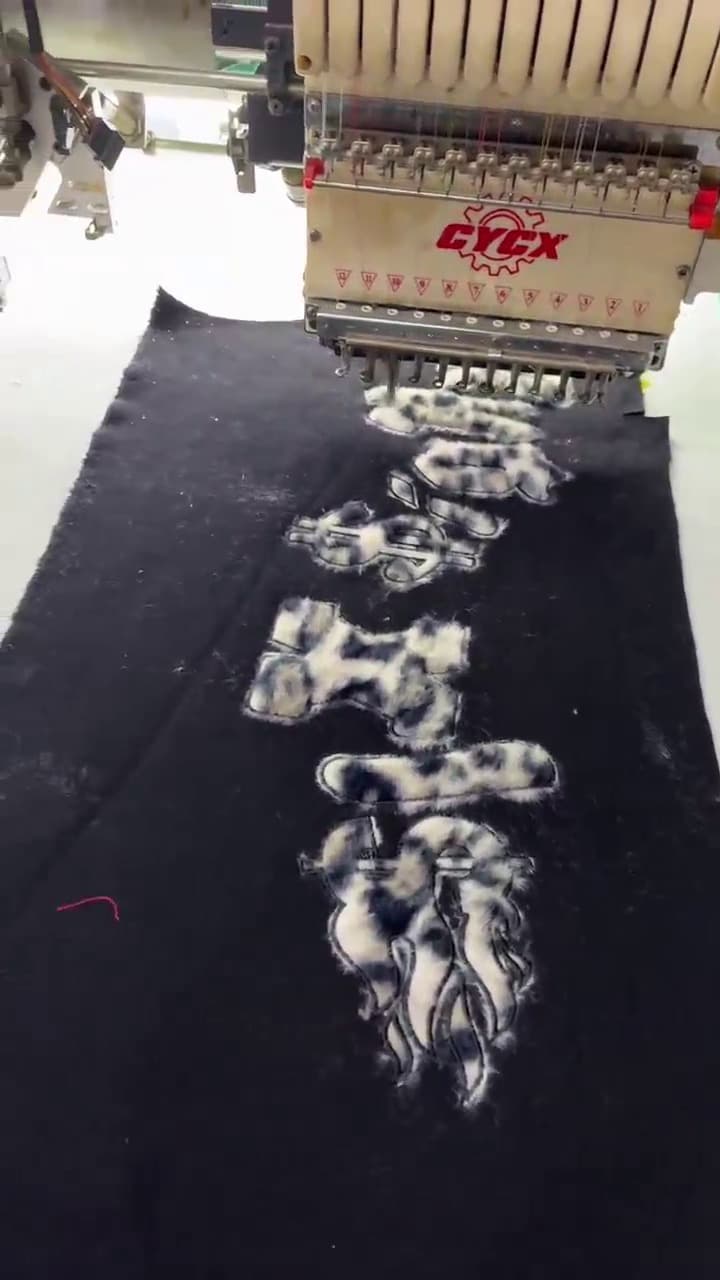
Puff print, screen print, embroidery, applique, woven patches, and sleeve artwork all behave differently on heavyweight fabric. Decoration should be tested with the chosen fabric route, not on a random blank.
- Use strike-offs for puff print and embroidery
- Measure artwork placement from seams or neckline
- Add decoration checks to final QC
05Control wash and garment dye risk
Vintage wash, acid wash, snow wash, pigment dye, and garment dye can change shade, shrinkage, print behavior, rib recovery, and handfeel. Wash effects should be sampled before bulk and documented with tolerance ranges.
- Wash test before approving bulk fabric
- Check artwork compatibility after wash
- Record target shade and acceptable variation
06Set MOQ and cost expectations
Custom heavyweight hoodies have more cost drivers than light tees: fabric weight, cutting time, rib, hood lining, drawcords, embroidery, screen setup, labels, packing, and QC. A 150 pcs per style/color first run is often a practical starting point when fabric is available, especially for brands working through a custom streetwear manufacturer instead of a blank-decoration route.
- Separate fabric MOQ from garment MOQ
- Confirm trim and label minimums
- Use 300 pcs or 500 pcs for better unit cost when demand is proven