01Choose one tight launch concept
A focused first drop is easier to sample, quote, inspect, photograph, and sell. Instead of launching many weak styles, choose one or two products with a clear audience: a heavyweight hoodie, oversized graphic tee, washed tee, or compact capsule set. A low MOQ clothing manufacturer can help keep that first run realistic without stripping away the details that make the product feel like your brand.
- Limit first-run color count
- Keep size range realistic for your first customers
- Build around one hero product and one supporting item
02Turn the idea into a factory-ready brief
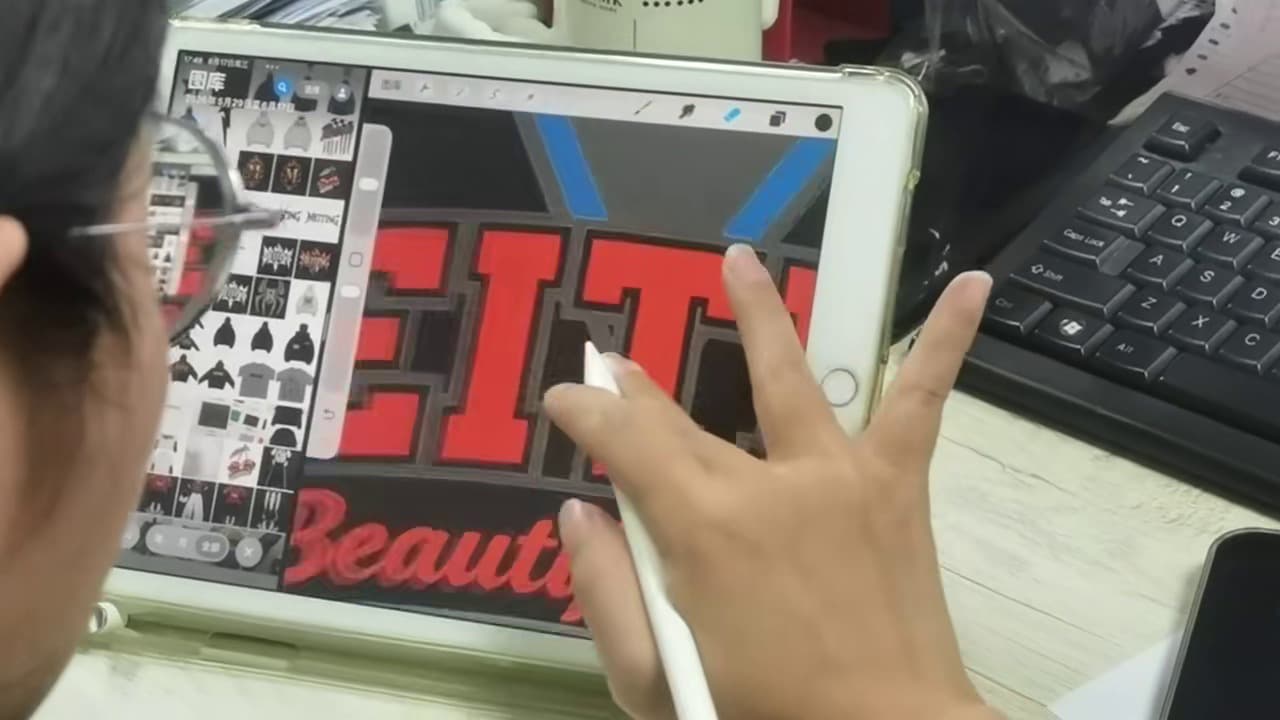
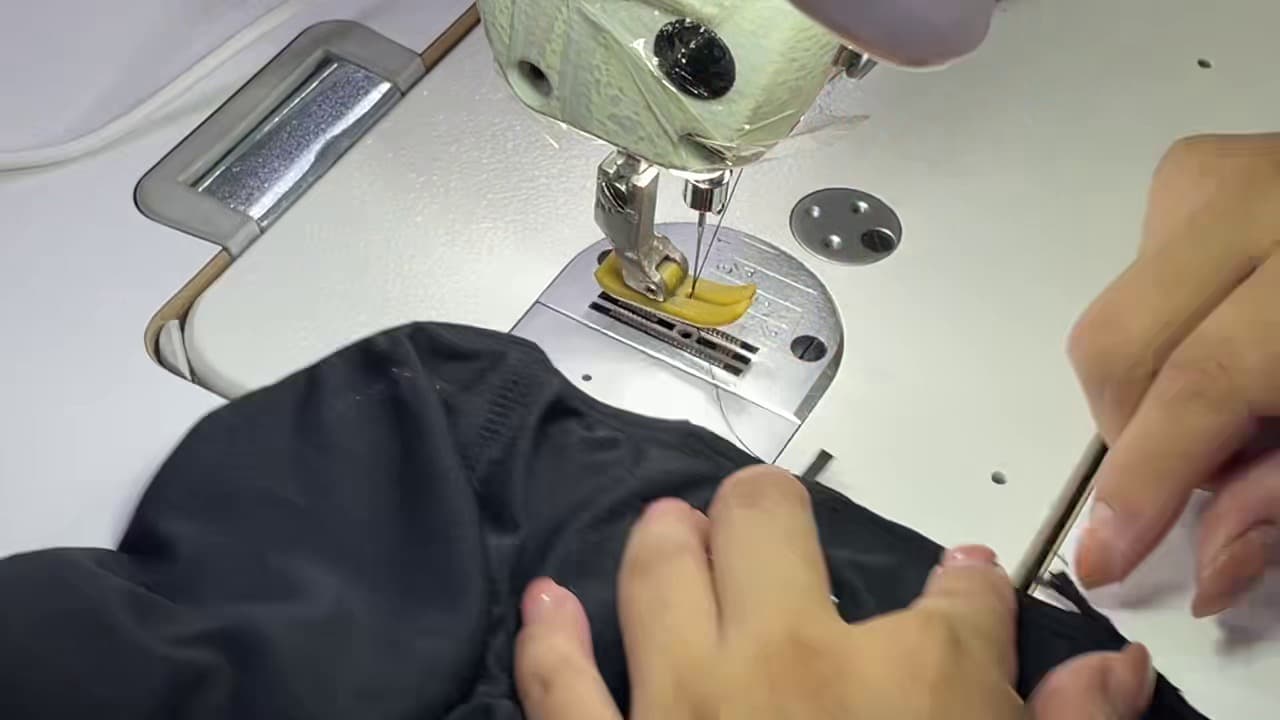
You do not always need a perfect tech pack to start, but the factory needs measurable information. Include reference photos, target fit, fabric weight, artwork placement, label requirements, packaging notes, quantity, budget range, and delivery window. When oversized fits, heavyweight fabric, wash effects, or multi-placement decoration matter, work with a custom streetwear manufacturer that can turn those choices into repeatable sampling and bulk standards.
- Send front, back, side, and detail references
- Mark what should change from the reference garment
- Include artwork file, print size, and placement notes
03Pick fabric that fits low MOQ reality
Heavyweight cotton, fleece, French terry, rib, and washed fabrics can all work, but custom knitting or dyeing can raise minimums. For a first launch, available fabric routes often protect timing and budget better than fully custom development.
- Use 280-400 GSM ranges for many streetwear hoodie and tee programs
- Ask whether the fabric can be reordered
- Check shrinkage and handfeel before approving the sample
04Compare print and embroidery before costing
Screen print, puff print, embroidery, heat transfer, applique, and woven patches each affect setup, sample approval, durability, and final unit cost. The right method depends on artwork size, fabric weight, handfeel, and the look you want.
- Use screen print for large graphic surfaces
- Use embroidery for smaller premium branding
- Use puff print only after testing artwork thickness and wash behavior
0550 pcs vs 150 pcs vs 500 pcs
A 50 pcs run can work for very limited validation or sample sales, but custom production costs are spread across too few units. A 150 pcs first run is often a more realistic starting point for cut-and-sew streetwear. A 500 pcs run can improve unit cost when the design and sales channel are already validated.
- Use 50 pcs for validation when customization is light
- Use 150 pcs for a focused custom first drop
- Use 500 pcs when demand, fit, and production route are proven
06Plan private label without overbuilding packaging
Private label details help the product feel real, but labels, hangtags, stickers, polybags, and cartons can have their own minimums. Start with the brand details that matter most to the customer and leave expensive packaging systems for reorders.
- Start with neck label, care label, hangtag, and simple polybag
- Reuse label inventory across multiple styles when possible
- Confirm country of origin and care content with your compliance team
07Build a three-month sell-through plan
Low MOQ only helps if the first run creates learning. Plan photography, launch calendar, preorder or drop timing, inventory tracking, customer feedback, and reorder decisions before production finishes.
- Photograph the approved sample before bulk arrives
- Track sales by size and color
- Keep production notes ready for a cleaner reorder