
Meiting Garments logo mark

Manufacturing Guide · 13 min read

Fabric Shrinkage Testing Before Bulk Production

Quick Answer

A shrinkage percentage is useful only when it can be traced to the tested material, lot, method, wash and dry conditions, number of cycles, measurement direction, preparation state and the production decision it controls.

factoryBy EdmondBusiness & Production CoordinationTechnical review: Meiting Sample Development, Production & QC TeamPublished · Updated Editorial policy
Shrinkage Test PlanningBuilt for apparel buyers preparing a production brief
01

What a shrinkage result can—and cannot—prove

A controlled result can describe dimensional change for the tested material or garment under the recorded conditions. It can support a decision to accept the current route, change the material or finish, compensate the pattern, run another test or hold bulk cutting. It does not prove that every future dye lot behaves the same, that a fabric result equals a finished-garment result, that one wash represents every care habit, or that rib, lining, thread, print and main fabric respond identically.
    Clean empty stainless-steel washing machine drum filling the frame
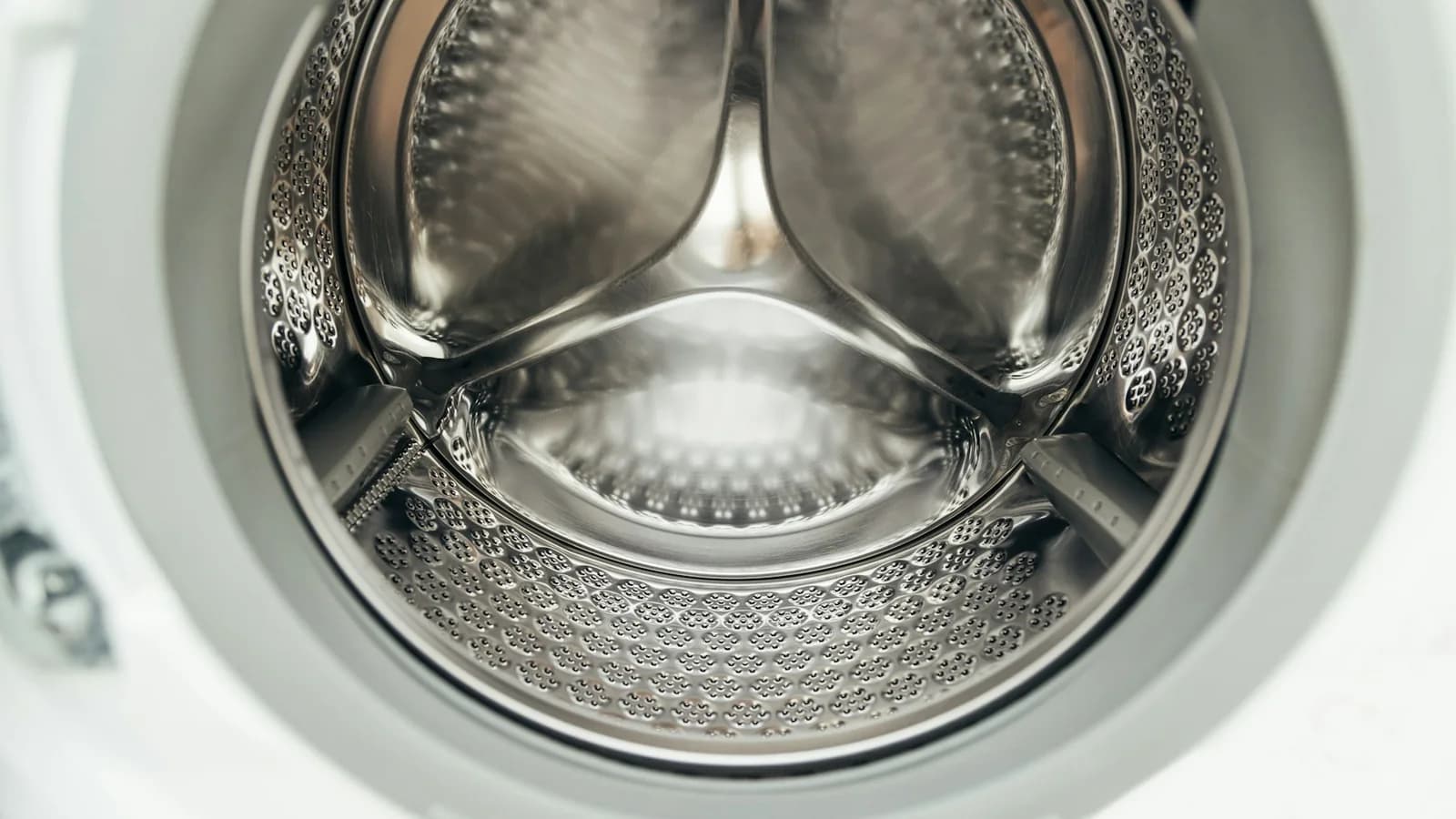
    A shrinkage result is useful only when the material, wash route, cycle count, direction, and product stage are recorded together.
    02

    Identify the exact material

    Record the supplier or mill reference, composition, construction, nominal GSM where relevant, color, finish, roll or lot reference and whether the specimen came from development yardage or bulk goods. Two fabrics with the same composition and nominal weight can behave differently because yarn, knit or weave structure, processing tension, dyeing and finishing differ. The result belongs to the identified material—not to a generic fiber name.

      03

      State the method or agreed care route

      Record the standard or buyer-agreed procedure, wash temperature, agitation, drying route, number of cycles, detergent or other specified conditions and conditioning or rest requirements. Do not copy fragments of a paid standard and call them a complete procedure. Use the current controlled document or a qualified test provider when a recognized method is required. Label a buyer-specific simulation as a project method rather than a standard.

        04

        Report directions and stage separately

        Measure length and width separately. Depending on the material and method, the report may use wale and course or warp and weft terminology. A combined number can hide a body-length, chest-width or seam-twist problem. State whether the specimen is finished fabric, relaxed development fabric, actual bulk fabric, cut panel, sewn garment before wash, garment after dye or wash, or finished product after the intended care cycle. Do not transfer a result silently from one state to another.

          05

          Calculate and label the convention

          One common positive shrinkage convention is: Shrinkage (%) = (Initial dimension − Final dimension) ÷ Initial dimension × 100. A dimensional-change convention may use: Dimensional change (%) = (Final dimension − Initial dimension) ÷ Initial dimension × 100. Under that convention, shrinkage is negative and growth is positive. State the formula and sign convention so the pattern maker or buyer cannot reverse the result.

            06

            Test at the stage that protects the next decision

            During fabric selection, compare supplier data and decide what the project must verify. Before the first fit is frozen, discuss whether shrinkage can change the intended final dimensions. On a development garment, review seams, rib, panels, lining, decoration and garment finishing together. Before bulk cutting, decide whether the actual production lot must be verified. At PP stage, close test-related comments on the same material, construction, treatment and measurement revision planned for bulk.

              07

              Turn the result into a production decision

              The pattern team decides whether the current pattern and material route can meet finished measurements. Do not apply one blanket percentage to every pattern piece without reviewing direction, construction, seam relationships and the approved sample. The measurement chart should state the product condition. Fabric booking, care-label and QC decisions should identify the approved route, evidence reviewed and action when the result falls outside the requirement.

                08

                Product-specific risk routes

                For heavyweight T-shirt jersey, check length and width separately, then review neck rib, side seam and decoration placement after treatment. For hoodie fleece or French terry, main fabric, rib, hood layers, pocket construction and brushing may not behave identically. For garment-dyed or washed streetwear, freeze the wash reference, test condition and post-treatment measurement stage together. For mixed-material garments, differential movement can create puckering, twisting, uneven hems or distorted openings even when the main fabric result appears acceptable.

                  09

                  What to send in a fabric or sample RFQ

                  Send product category, quantity by style and color, size range, critical finished measurements, fabric composition, construction, GSM and handfeel direction, supplier reference, color and finish route, lot identity, intended care route, required method, directional result fields and garment treatment details. For suitable custom programs, Meiting's flexible MOQ starts at 150 pieces per style/color. Typical sample planning is 10–25 calendar days after product scope, material route, artwork and approval inputs are confirmed. Multi-cycle testing, third-party laboratory work, a new finish, a new bulk lot or another garment sample can extend the path.

                    010

                    Frequently Asked Questions

                    Use these answers to connect the material, test conditions, and production decision.

                    • How do you calculate fabric shrinkage percentage? One common formula is (initial − final) ÷ initial × 100, calculated separately for length and width. Some reports use dimensional change, where shrinkage is negative. State the convention.
                    • What is the difference between a fabric and garment shrinkage test? A fabric test isolates the material under defined conditions. A garment test includes pattern, seams, trims, panels, decoration and finishing. Use the level that answers the production decision.
                    • Should fabric be tested before bulk cutting? Decide this in the approval plan. Verification is especially relevant when the actual bulk lot, supplier, color, finish or construction differs from development material.
                    • Is there one acceptable shrinkage percentage for every fabric? No. The requirement depends on product, material, care route, pattern, fit expectation, measurement stage and buyer standard.
                    • Why report length and width separately? Textiles can change differently by direction. A combined value can hide a body-length, chest-width, seam-twist or pattern problem.
                    • When should a shrinkage test be repeated? Repeat or formally review when the supplier, lot, color, finish, wash/dry route, garment treatment, component mix or other result-driving variable changes.
                    • Does preshrunk fabric remove the need for testing? No label or supplier description removes the need to define the project requirement. Review the documented route and decide what evidence the actual material and finished product need.

                    Approval Checklist

                    • task_altIdentify the exact material, color and lot.
                    • task_altState fabric or garment test level.
                    • task_altRecord the standard or project care route.
                    • task_altRecord wash, dry, cycle and conditioning details.
                    • task_altMark length and width directions.
                    • task_altSave initial and final readings with units.
                    • task_altState the formula and sign convention.
                    • task_altRecord preparation and product stage.
                    • task_altLink the result to the pattern and measurement revision.
                    • task_altConfirm whether PP uses the production material and finish.
                    • task_altDefine bulk-lot verification where required.
                    • task_altList changes that trigger retesting.
                    • task_altDefine hold, review or rejection action.

                    What Can Go Wrong

                    • errorWriting only 'shrinkage passed' without material, method, direction, cycle or limit.
                    • errorUsing one number for length and width.
                    • errorTreating supplier data as permanent proof for every lot.
                    • errorUsing a fabric result as a finished-garment guarantee.
                    • errorTesting development yardage but cutting a changed bulk route.
                    • errorApplying one percentage directly to every pattern piece.
                    • errorIgnoring the intended care-label route.
                    • errorApproving fit before deciding whether measurements apply before or after treatment.

                    What to Send the Manufacturer

                    • Product type and reference
                    • Quantity by style and color
                    • Size range and target fit
                    • Fabric, GSM, and handfeel
                    • Artwork and decoration method
                    • Labels and packaging
                    • Destination country
                    • Target launch or delivery date
                    Send these details in your RFQ

                    Factory Evidence

                    This guide uses Meiting factory-process images where the visible operation supports the production point being discussed.

                    • A shrinkage result is useful only when the material, wash route, cycle count, direction, and product stage are recorded together.
                    Review Meiting factory process videos

                    Want us to review your project details?

                    Send your tech pack, reference photos, quantity, target timeline, or current supplier problem. We will respond with a practical next step.

                    Send RFQ