Meiting Garments logo mark

Material sourcing

Fabric Sourcing for Apparel Brands

Apparel fabric sourcing service in China for specifications, swatches, and supplier constraints.

Our fabric sourcing service turns the garment end use and material direction into a project-specific sourcing brief covering composition, construction, GSM, handfeel, stretch, color, finish, wash or decoration compatibility, quantity, supplier minimums, and timing.

The service coordinates a real sourcing and swatch decision for a reviewed product. The fabric sourcing guide remains the educational page for teams comparing material concepts; neither page guarantees stock, composition, supplier terms, testing results, or finished-product performance before project evidence is reviewed.

Fabric Sourcing for Apparel Brands production reference

Flexible MOQ Guide

Supplier MOQ and usable garment quantity depend on the selected construction, composition, color, finish, stock status, custom knitting or dyeing route, testing or document needs, and material utilization. The applicable minimum is confirmed after supplier and project review.

Ideal For

  • check_circleStreetwear and startup teams defining jersey, fleece, French terry, rib, or selected woven directions
  • check_circleBuyers comparing stock-route and custom-development constraints
  • check_circleTeams that need swatch, color, finish, supplier-minimum, and compatibility decisions before sampling

Materials

Reviewed directions can include cotton or blended jersey, compact jersey, fleece, French terry, rib, pique, selected twill or poplin, nylon or polyester blends, and compatible trims where the garment specification and supplier route fit. Composition, construction, GSM, color, finish, stock status, supplier minimums, documents, and performance remain project-specific.

Lead Time

The material timeline is confirmed after the specification and current supplier route are reviewed. Swatches, lab dips, custom knitting, dyeing, printing, brushing, coating, document review, or testing can add work before garment sampling starts. Typical sample planning window: 10–25 calendar days after the product scope, materials, and approval inputs are confirmed. Complex fabrics, washes, trims, or decoration may extend the cycle. Standard bulk production: approximately 20–30 days after sample and material approval. Complex washes, custom fabrics, special trims, extensive decoration, or custom packaging: approximately 45–60 days. Final timing is confirmed after reviewing the tech pack, quantity, materials, and finishing requirements.

Buyer Decision Table

Turn a material idea into a reviewable sourcing brief.

A fabric name or GSM alone is not enough. Each input changes the supplier route, swatch questions, garment sample, and bulk controls.

Sourcing decisionWhy it changes the routeBuyer approval evidence
Garment type and end useA T-shirt, hoodie, rib component, or selected woven garment needs different drape, recovery, stability, wash, decoration, and construction behavior.Product reference, target market and use, intended fit, quality priorities, and acceptable trade-offs.
Composition, construction, and GSMFiber direction, knit or woven construction, weight, yarn and stretch affect handfeel, drape, supplier availability, minimums, costing, and sample behavior.Approved swatch or reference with composition and GSM priorities, plus acceptable substitute boundaries.
Color, handfeel, stretch, and finishStock shade, custom color, brushing, coating, wash, recovery, and surface finish can require different lab dips, samples, supplier terms, and compatibility checks.Color reference, visual and handfeel target, stretch requirement, finish direction, and swatch or lab-dip approval.
Quantity, timing, documents, and testingOrder allocation, supplier MOQ, stock status, development work, destination, document scope, and named tests affect feasibility and the approval calendar.Quantity by style and color, destination, required timing, document/test requirement, applicability criteria, and approval contact.

Production Flow

From first review to shipment-ready goods.

Each step is designed to reduce production risk before bulk starts: missing specs, fabric readiness, fit approval, quality checkpoints, and export handoff.

01

Build the sourcing specification

Record garment type and end use, composition direction, knit or woven construction, GSM, handfeel, stretch and recovery, color, finish, wash or decoration route, quantity, destination, target timing, reference swatch, and any document or testing requirement.

02

Compare supplier and development routes

Review current supplier information for a stock, standard supplier, or custom-development route. Availability, supplier minimums, color setup, finish, lead time, documents, and acceptable alternatives remain route-specific.

03

Approve swatch, color, and compatibility questions

Use a physical swatch, lab dip, reference garment, or relevant sample to review handfeel, GSM, stretch, shade, finish, shrinkage risk, construction, decoration, wash, rib, and trim compatibility where applicable.

04

Connect the material route to sampling and bulk

Record the selected reference, open exceptions, supplier terms, approval owner, and downstream sample checks. Bulk lot consistency and any project-specific testing or document review must be defined for the chosen route.

Quality Control

QC standards are defined before bulk starts.

Project material checks can include reference and lot identification, handfeel, shade, GSM, shrinkage risk, stretch recovery, visible defects, trim compatibility, and compatibility with the approved construction, decoration, or wash route. The test method, tolerance, sample, reporting scope, and acceptance decision must be agreed for the project.

Public Case and Factory Evidence

Heavyweight T-shirt material-direction reference

The public T-shirt case shows a recorded jersey-weight target, heavier handfeel direction, fit, neck rib, shrinkage, artwork, and sample-approval questions for one product route.

The case documents one material and sample route and does not establish fabric availability, composition, supplier MOQ, testing outcome, timing, or performance for another product.

Review production case
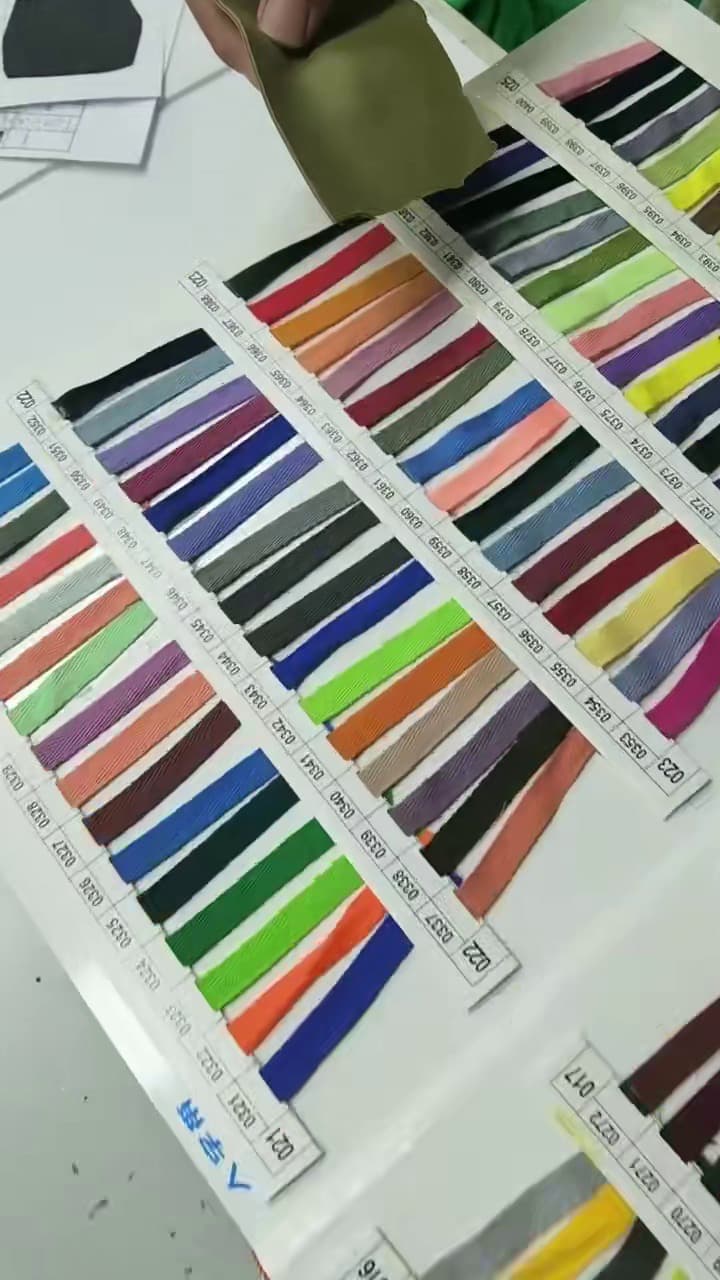

Color, wash, and downstream QC operations

The public factory-process library shows visible color-reference, washing, decoration, and finished-garment inspection operations that can inform a project approval plan.

The media shows individual operations only and does not prove material origin, owned mills, stock, lot consistency, certification, or finished-product performance.

View factory evidence

Factory Process Evidence

Color, Finish, and Downstream Check Evidence

A sourcing route should connect the material specification and physical reference to color, finish, garment compatibility, and downstream approval checks.

Finished-garment inspection after material approval

A factory process clip showing a downstream garment inspection step where approved material and product references can inform visible checks.

Use this evidence to verify a downstream inspection operation; supplier documents, material tests, swatch approval, lot criteria, and acceptance remain project-specific.

Color reference cards used during apparel material review
Color references support shade discussion but do not establish stock, dye-lot consistency, or a final tolerance.
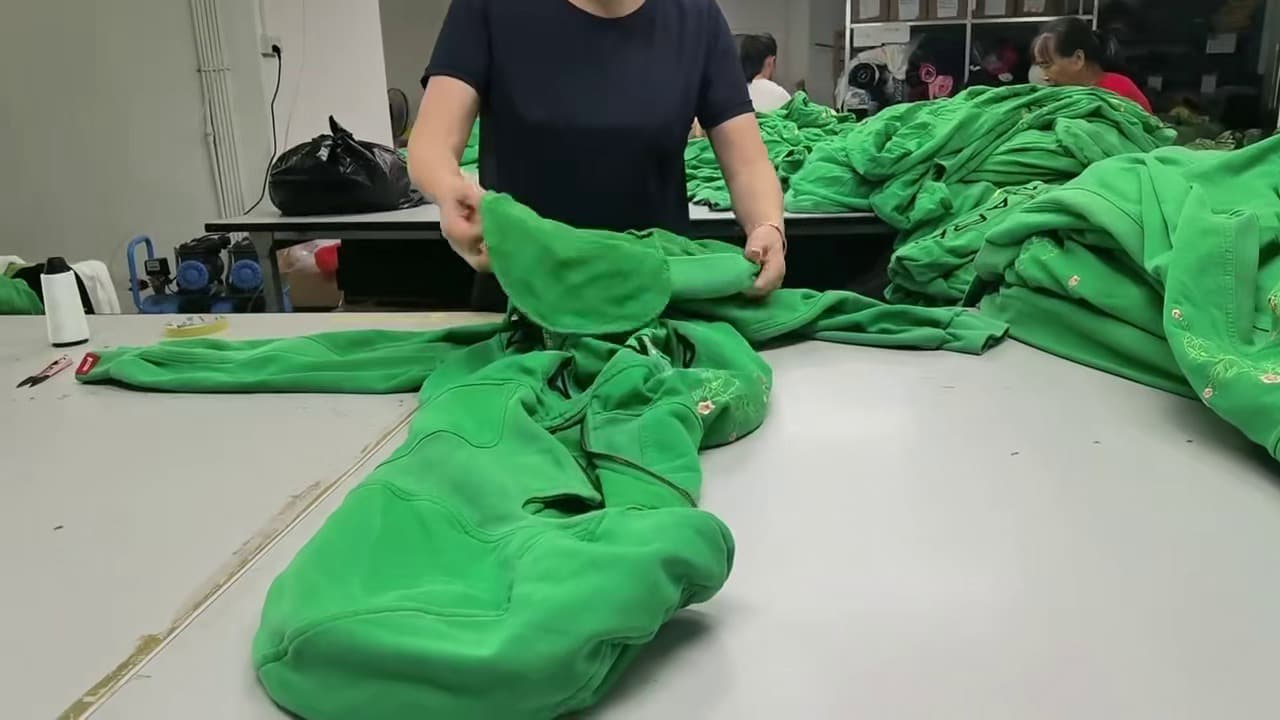
Garment washing operation in the Meiting workflow
A wash operation can affect shade, handfeel, measurements, and compatibility and therefore needs a project sample.
Finished garment inspection after material and sample review
Finished inspection is a downstream check and does not replace supplier, swatch, or material-lot approval.

What this evidence shows

The media shows visible factory reference and downstream operations. It does not prove material origin, owned mills, current stock, supplier terms, composition, certification, test results, or finished-product performance.

Deliverables

What you can send, review, and approve.

task_alt

Fabric option comparison

task_alt

MOQ and lead time notes

task_alt

Swatch or lab dip coordination

task_alt

Trim matching

task_alt

Material risk review

Common Questions

Can you source sustainable fabrics?expand_more

Sustainability, recycled-content, organic, and certification requirements need project-specific supplier documents and material confirmation. Availability, supplier MOQ, document applicability, testing scope, and timing must be confirmed for the selected route before any finished-product claim is made.

Which certificates and test reports can buyers view?expand_more

Available files include GRS, OCS, OEKO-TEX, and RoHS certificates and test reports.

Can you match an existing fabric?expand_more

Yes. A physical fabric swatch or garment helps us compare composition, GSM, handfeel, stretch, finish, shrinkage, and color, then propose the closest practical sourcing route.

What information helps you source fabric accurately?expand_more

Useful fabric sourcing details include garment type, target GSM, composition, handfeel, stretch, color, finish, wash requirement, decoration method, quantity, price target, certification needs, and a swatch or reference garment if available.

How does fabric sourcing work for a 150 pcs program?expand_more

Flexible MOQ starts at 150 pcs per style/color. Fabric availability, colors, trims, decoration, knitting, dyeing, coating, brushing, testing, and document requirements are reviewed during sourcing and quoting.

How long does fabric sourcing take?expand_more

Timing is confirmed from the reviewed specification and current supplier response. Swatches, custom knitting, lab dips, dyeing, coating, washing, printing, testing, or supplier-document review can add time before garment sampling starts.

How do you check fabric before production?expand_more

Fabric checks can include GSM, composition review, handfeel, shade, shrinkage, stretch recovery, color fastness, defect review, trim compatibility, decoration compatibility, and bulk lot consistency before cutting.

How is this service different from the fabric sourcing guide?expand_more

The guide explains material-selection concepts and questions. This service reviews a specific garment and sourcing brief, coordinates swatch and supplier information, records constraints, and connects the approved material route to sampling and bulk checks.

RFQ Ready

Send the product details you already have.

Send the garment type and end use, composition and construction direction, target GSM and handfeel, stretch and finish, color, wash or decoration route, estimated quantity, physical swatch or reference, destination, required timing, and any named document or testing requirement. We use the brief to identify possible sourcing routes and open constraints. Stock, supplier MOQ, composition, documents, testing, sample behavior, price, and timing are confirmed only after current project and supplier review.

Request a Quote