Meiting Garments logo mark

Fabric & Printing · 9 min read

Streetwear Fabric Guide: GSM, Fleece, Jersey & Denim

Quick Answer

streetwear fabric selection should start with product type, target fit, GSM range, handfeel, decoration method, wash effect, MOQ, and QC risk. For a streetwear manufacturer China project, the safest fabric route is the one that can be sampled, inspected, and repeated in bulk.

factoryBy EdmondBusiness & Production CoordinationTechnical review: Meiting Sample Development, Production & QC TeamUpdated Editorial policy
Fabric GuideBuilt for apparel buyers preparing a production brief

Planning Facts

Material choice
Match construction, GSM, handfeel, stretch, wash, and decoration to the product.
Shade approval
Approve the agreed material or treated-garment shade under a defined reference.
Risk
Stock changes, dye lots, wash treatment, and finishing can change repeatability.

These are planning ranges, not universal guarantees. Actual timing and feasibility depend on material sourcing, decoration, wash, sample revision, quantity, and the approved production route.

Key Decision Factors

Use the conditions below to choose a production route and identify what must be approved before the next commitment.

ConditionRecommended RouteRiskWhat Buyer Must Approve
Clean stable colorConfirm lot and shade referenceLot-to-lot variationSwatch or garment shade standard
Vintage or washed effectGarment wash developmentUneven shade and measurement changeRange, placement, shrinkage, and surface
Future reorder is importantRecord supplier and material specificationAn unrecorded substitute changes handfeelConstruction, composition, GSM, color, and finish
01

Fabric selection reference points

Use these reference points when comparing fabric routes for hoodies, T-shirts, denim, and washed streetwear.

  • T-shirts commonly use jersey and rib; hoodies use fleece or French terry; jackets and workwear may use denim, twill, nylon, or lined woven shells
  • GSM helps compare weight, but composition, yarn, knit density, brushing, wash, and finish determine handfeel and drape
  • Approve color, shrinkage, recovery, wash response, and decoration compatibility on the actual material route before bulk
  • Screen print, puff print, embroidery, heat transfer, and patches need fabric-specific testing rather than a generic artwork approval
  • Certification documents should be checked against the actual material supplier and sourcing route, not only the factory profile
  • A 150 pcs per style/color entry point depends on whether the chosen fabric, color, trim, and finishing route are available and repeatable
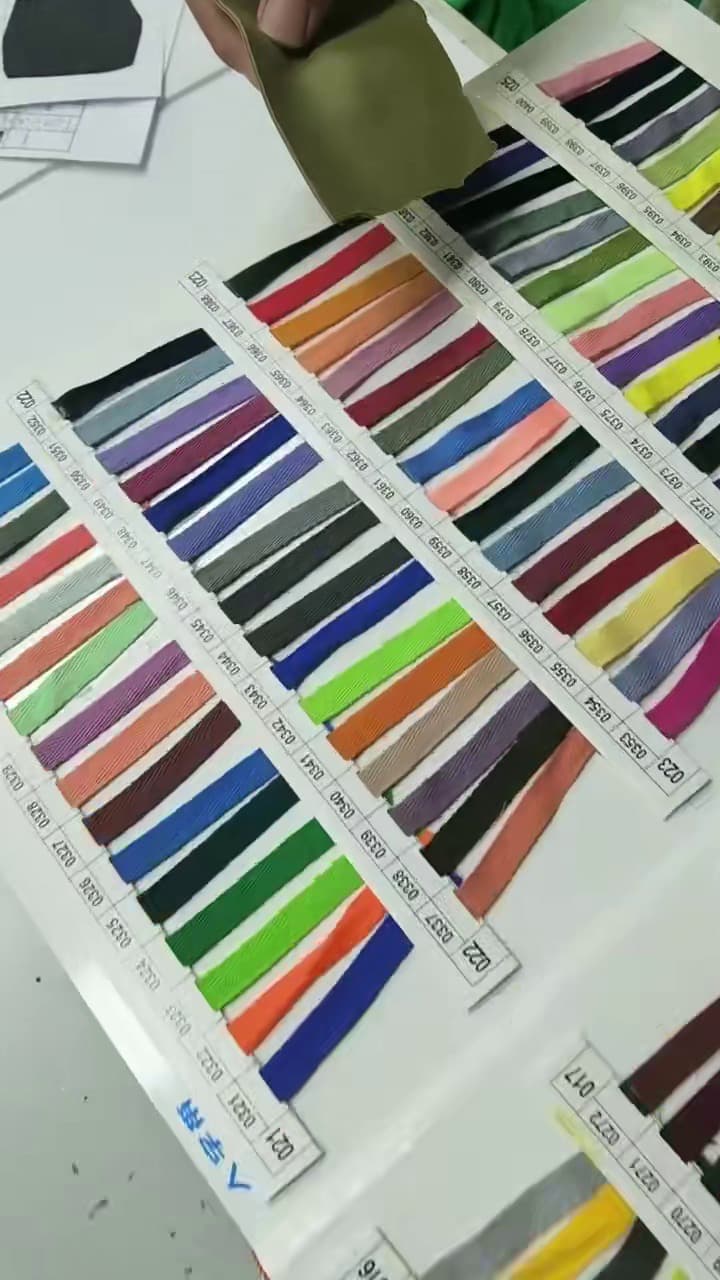
Fabric color cards laid out for shade selection at Meiting Garments
Shade selection from factory color cards. Frame from Meiting's own factory floor video — not a stock photo.
02

Match fabric to product type

A heavyweight tee, fleece hoodie, washed denim jacket, and mesh jersey each need different shrinkage, print, and QC planning. The best fabric is the one that matches the product and launch budget.

  • Use jersey and rib for T-shirts
  • Use fleece or French terry for hoodies
  • Use denim or twill when wash and structure matter
03

Plan fabric testing before bulk

Fabric approval should include handfeel, GSM, color, shrinkage, wash response, print compatibility, and label or trim interaction.

  • Confirm swatches before cutting samples
  • Test decoration on the real fabric route
  • Document shrinkage and shade before bulk production
Industrial garment washing machines used for wash and shrinkage control at Meiting Garments
Industrial washing — where fabric handfeel is finished. Frame from Meiting's own factory floor video — not a stock photo.

Approval Checklist

  • task_altGarment category
  • task_altTarget GSM
  • task_altComposition and handfeel
  • task_altColor and wash route
  • task_altDecoration method
  • task_altCertification requirement
  • task_altTarget quantity by style/color

What Can Go Wrong

  • errorChoosing fabric by photo only
  • errorIgnoring shrinkage
  • errorChanging fabric between sample and bulk
  • errorRequesting certification after the material route is already fixed

What to Send the Manufacturer

  • Product type and reference
  • Quantity by style and color
  • Size range and target fit
  • Fabric, GSM, and handfeel
  • Artwork and decoration method
  • Labels and packaging
  • Destination country
  • Target launch or delivery date
Send these details in your RFQ

Factory Evidence

This guide uses Meiting factory-process images where the visible operation supports the production point being discussed.

  • Shade selection from factory color cards. Frame from Meiting's own factory floor video — not a stock photo.
  • Industrial washing — where fabric handfeel is finished. Frame from Meiting's own factory floor video — not a stock photo.
Review Meiting factory process videos

Want us to review your project details?

Send your tech pack, reference photos, quantity, target timeline, or current supplier problem. We will respond with a practical next step.

Send RFQ