Meiting Garments logo mark

Pricing & Flexible MOQ · 8 min read

What Is MOQ in Clothing Manufacturing? 2026 Factory Guide

Quick Answer

MOQ in clothing manufacturing is the smallest quantity a factory can produce while keeping fabric, cutting, sewing, decoration, labels, packing, QC, and export work commercially realistic. For Meiting Garments, conditional around-150-piece project routes, with sampling usually taking 10–25 calendar days and bulk production commonly taking 20–30 days after approval.

factoryBy EdmondBusiness & Production CoordinationTechnical review: Meiting Sample Development, Production & QC TeamUpdated Editorial policy
Flexible MOQ GuideFor buyers separating garment MOQ from supplier minimums

Planning Facts

Garment MOQ
Production-line quantity is only one part of the minimum.
Supplier MOQ
Fabric, dyeing, trims, labels, and packaging may use different thresholds.
Planning principle
Reduce variables before reducing quantity.

These are planning ranges, not universal guarantees. Actual timing and feasibility depend on material sourcing, decoration, wash, sample revision, quantity, and the approved production route.

Key Decision Factors

Use the conditions below to choose a production route and identify what must be approved before the next commitment.

ConditionRecommended RouteRiskWhat Buyer Must Approve
Available fabric and simple brandingFocused first-run reviewSize or color fragmentation can still weaken efficiencyQuantity per style, color, and size
Custom dye, wash, or hardwareSupplier-minimum planningMaterial MOQ exceeds garment MOQMaterial lot, color, finish, and excess allocation
Many styles at low total quantityReduce SKU countSetup cost and QC complexity rise sharplyPriority styles and reorder plan
01

Variables that change the real MOQ

Use these numbers as a planning baseline before requesting a streetwear manufacturing quote. They are not a final quote, but they help buyers understand what a factory needs to review.

  • Garment MOQ: 150 pcs per style/color is a practical benchmark for many custom cut-and-sew streetwear programs
  • Fabric minimums: jersey, fleece, French terry, denim, rib, and trims can each introduce a separate supplier minimum
  • Color and decoration: custom dyeing, screen setup, embroidery, heat transfer, and patches can change the smallest workable run
  • Labels and packaging: woven labels, hangtags, polybags, and cartons may have minimums that do not match the garment quantity
  • Sample approval: 1-3 development samples can be needed to resolve fit, fabric, decoration, or label decisions before bulk
  • Quote rule: compare minimums only after every supplier has priced the same fabric, color, decoration, label, and packing scope
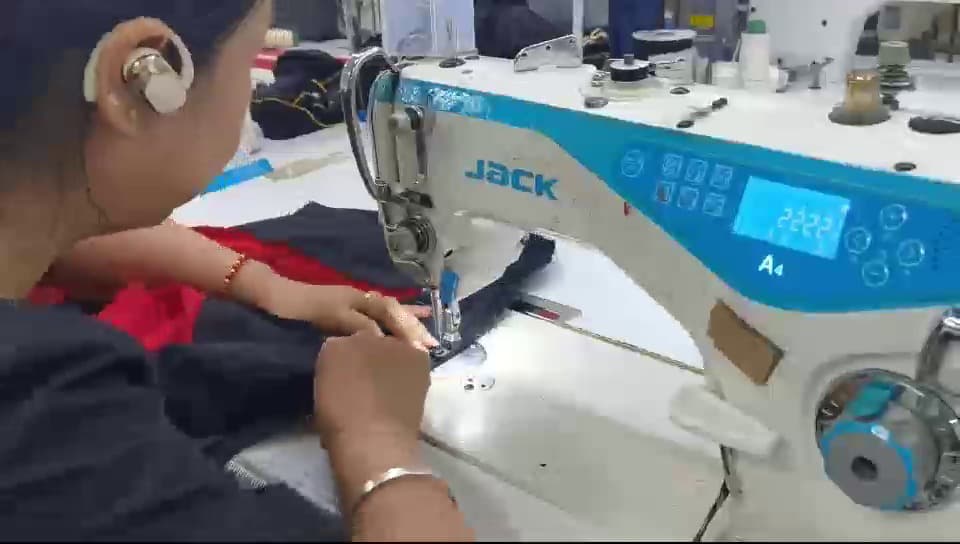
Close view of an operator working at an industrial sewing machine at Meiting Garments
A production line at Meiting — the capacity math behind MOQ. Frame from Meiting's own factory floor video — not a stock photo.
02

Why MOQ is not only a sewing number

MOQ is shaped by setup work before sewing starts. Fabric mills, dye houses, label suppliers, print screens, embroidery digitizing, wash trials, and packing suppliers may all create minimums.

  • Separate garment MOQ from fabric and trim supplier MOQ
  • Ask whether labels, packaging, and decoration have separate setup fees
  • Keep first drops focused so setup cost is not spread across too many styles
03

How MOQ supports the streetwear manufacturer pillar

For brands comparing a streetwear manufacturer China partner, MOQ tells you whether the factory can handle a real custom run instead of only decorating blanks.

  • Use the streetwear manufacturer page for category capability
  • Use the flexible MOQ page for quantity planning
  • Use this guide to interpret quote minimums before sending an RFQ
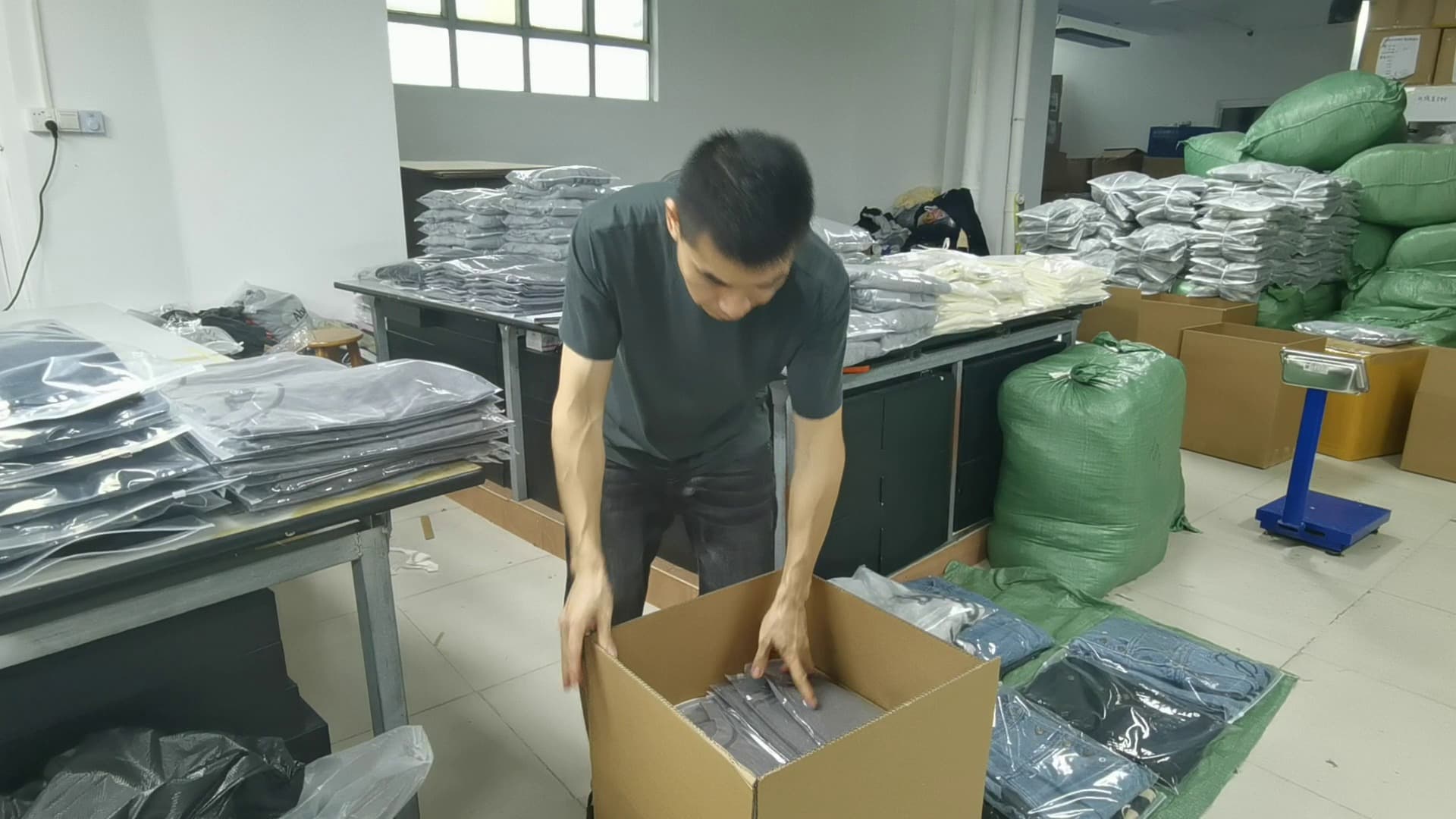
Worker packing polybagged garments into an export carton at Meiting Garments warehouse
Cartons per style/color are part of real MOQ planning. Frame from Meiting's own factory floor video — not a stock photo.

MOQ Question Checklist

  • task_altTarget style and color count
  • task_altExpected quantity per style/color
  • task_altFabric type and GSM target
  • task_altArtwork and decoration method
  • task_altLabel and packaging needs
  • task_altDelivery country and launch date
  • task_altTarget quantity by style/color

MOQ Misunderstandings

  • errorComparing MOQ without checking what is included
  • errorAdding too many colors to a first run
  • errorForgetting label and packaging supplier minimums
  • errorTreating sample quantity as bulk MOQ

What a Factory Needs to Explain Your MOQ

  • Product and construction type
  • Quantity by style and color
  • Fabric and dyeing requirements
  • Decoration setup and placements
  • Label and packaging components
  • Size ratio and reorder expectation
Send these details in your RFQ

Factory Evidence

This guide uses Meiting factory-process images where the visible operation supports the production point being discussed.

  • A production line at Meiting — the capacity math behind MOQ. Frame from Meiting's own factory floor video — not a stock photo.
  • Cartons per style/color are part of real MOQ planning. Frame from Meiting's own factory floor video — not a stock photo.
Review Meiting factory process videos

Need the MOQ Constraints Separated?

Send the style, color split, material route, decoration, and branded components. We can identify which minimum belongs to the garment and which belongs to a supplier setup.

Request an MOQ Scope Review