Meiting Garments logo mark

Listicles & Comparisons · 13 min read

Sustainable Clothing Manufacturers: 2026 Evidence-Led Shortlist

Quick Answer

this comparison helps buyers shortlist sustainable clothing manufacturers by recycled or organic material options, certificate scope, custom apparel production, MOQ planning, sampling, QC, and export delivery. Compare public sustainability signals, then verify the relevant document scope directly with every supplier, including Meiting Garments, before ordering.

factoryBy EdmondBusiness & Production CoordinationTechnical review: Meiting Sample Development, Production & QC TeamUpdated Editorial policy
Sustainable Supplier ListBuilt for apparel buyers preparing a production brief

Manufacturer comparison

Supplier profiles for your manufacturer shortlist

Compare each supplier by its public positioning, likely buyer fit, scope limits, proof to request, and written quote assumptions. Confirm MOQ, sample scope, material route, QC, delivery, and contract terms directly with every supplier, including Meiting Garments.

Publisher disclosure

Meiting Garments publishes this guide and is evaluated under the same checks as every other supplier. Profiles are shown alphabetically, not as a winner ranking; the better fit depends on category, geography, quantity, material route, and compliance requirements.

Comparison method · reviewed Aug 13, 2026

Profiles use the same buyer checks: product fit, public production scope, MOQ and sampling route, material or decoration depth, QC evidence, geography, limitations, and facts to verify in writing. Public supplier claims link to official websites and are not treated as independently verified performance results.

Supplier profile 01 · Manufacturer profile

Five P Venture

India

Visit Website

Public website signal: Five P Venture publicly presents sustainable clothing manufacturing with GOTS-certified and ethical production language.

Why it appears in this comparison: Its homepage gives buyers a clear sustainability-focused supplier website to compare against larger international options. Public reference used here: Five P Venture's official sustainable clothing manufacturer homepage.

Best-fit buyer: Brands comparing India-based sustainable manufacturing with organic cotton and ethical production signals.

How to compare it: Look at the exact production route behind the website copy. A useful shortlist does not stop at a polished homepage; it checks whether the supplier can handle the garment category, fit, fabric, labels, decoration, sample approval, QC, and reorder path your brand actually needs.

Limitations: Confirm category fit, fabric availability, current certifications, sample timing, MOQ, and export terms directly.

Why buyers shortlist it

  • Public homepage emphasizes sustainable, GOTS-certified, and ethical production language.
  • Useful India-based comparison point for sustainable garment sourcing.
  • Clear enough for buyers to use as an early shortlist reference.

What to verify

  • Confirm current certification scope, product category fit, MOQ, and export terms.
  • Ask whether organic or sustainable materials are available for the exact style.
  • Verify sample timing, fabric booking, and QC checkpoints.
Five P Venture official homepage screenshot
Official homepage screenshot captured from https://fivepventure.com/ for comparison context. The screenshot captures Five P Venture's official sustainable clothing manufacturer homepage.

Supplier profile 02 · Publisher profile

Meiting Garments

China; serving US, European, and global apparel buyers

Visit Website

Public website signal: Meiting's public site references custom streetwear, flexible MOQ, private label, scoped supplier material documents, a product-specific test record, sampling, and QC language.

Why it appears in this comparison: Meiting can connect sustainability-related material choices with the same custom production route used for fit, decoration, labels, packaging, and inspection. Public reference used here: Meiting's own homepage and service pages for custom streetwear, flexible MOQ, private label, material and compliance documents where applicable, sampling, QC, and global delivery.

Best-fit buyer: Streetwear brands that need recycled or organic fabric options, custom hoodies, T-shirts, denim, labels, and export QC tied to practical MOQ planning.

How to compare it: Look at the exact production route behind the website copy. A useful shortlist does not stop at a polished homepage; it checks whether the supplier can handle the garment category, fit, fabric, labels, decoration, sample approval, QC, and reorder path your brand actually needs.

Limitations: Sustainable fabric options need to be verified style by style; not every fabric, color, trim, or decoration route will support the same claim.

Why buyers shortlist it

  • Streetwear-first positioning instead of a generic apparel catalog.
  • Suitable custom programs may be reviewed from around 150 pcs per style/color after project and supplier constraints are confirmed; the final MOQ is project-specific.
  • Public pages connect hoodies, T-shirts, denim, labels, scoped material documents, and RFQ flow.

What to verify

  • Confirm style, color, fabric, and decoration MOQ for the exact program.
  • Send references or a tech pack before expecting a production-ready quote.
  • Confirm sample route and QC checkpoints for wash, print, or embroidery work.
Meiting Garments official homepage screenshot
Official homepage screenshot captured from https://www.meitinggarments.com/ for comparison context. Meiting's official homepage is shown as the publisher's first-party reference. It is evaluated with the same buyer checks used for every supplier profile.

Supplier profile 03 · Manufacturer profile

Nature USA

United States

Visit Website

Public website signal: Nature USA publicly positions itself around organic and sustainable clothing manufacturing in the USA and circular fashion language.

Why it appears in this comparison: It gives buyers a domestic sustainability-focused comparison option rather than another generic custom apparel site. Public reference used here: Nature USA's official organic sustainable clothing manufacturer homepage.

Best-fit buyer: Brands comparing US sustainable apparel manufacturing and organic clothing positioning.

How to compare it: Look at the exact production route behind the website copy. A useful shortlist does not stop at a polished homepage; it checks whether the supplier can handle the garment category, fit, fabric, labels, decoration, sample approval, QC, and reorder path your brand actually needs.

Limitations: Buyers should confirm current product categories, MOQ, certificate scope, and whether the route fits their price target.

Why buyers shortlist it

  • Domestic sustainability-focused comparison point.
  • Public site emphasizes organic, sustainable, and circular fashion language.
  • Useful for brands comparing US routes against overseas sustainable suppliers.

What to verify

  • Confirm current product categories, MOQ, and certificate scope.
  • Ask whether fabric and finished-garment claims are both supported.
  • Compare domestic cost and lead time against the brand's commercial plan.
Nature USA official homepage screenshot
Official homepage screenshot captured from https://www.natureusa.net/ for comparison context. The screenshot shows Nature USA's official organic sustainable clothing manufacturer homepage.

Supplier profile 04 · Manufacturer profile

Organic & More

India

Visit Website

Public website signal: Organic & More publicly presents organic clothes manufacturing in India with organic cotton, GOTS, SEDEX, garment factory, and supplier language.

Why it appears in this comparison: Its public homepage is directly aligned with organic clothing manufacturer search intent and adds a material-led comparison point. Public reference used here: Organic & More's official organic clothes manufacturer homepage.

Best-fit buyer: Brands researching organic cotton garment manufacturing and India-based sustainable apparel sourcing.

How to compare it: Look at the exact production route behind the website copy. A useful shortlist does not stop at a polished homepage; it checks whether the supplier can handle the garment category, fit, fabric, labels, decoration, sample approval, QC, and reorder path your brand actually needs.

Limitations: Buyers should verify whether the certificate scope, product category, MOQ, and finishing process match the exact collection.

Why buyers shortlist it

  • Direct organic clothing manufacturer positioning.
  • Public site references organic cotton, GOTS, SEDEX, and garment factory language.
  • Useful material-led comparison point for sustainable apparel buyers.

What to verify

  • Confirm whether certificates cover the material, factory, transaction, or final product.
  • Ask MOQ and lead time by organic fabric, color, trim, and garment category.
  • Keep customer-facing sustainability claims aligned with documents received.
Organic & More official homepage screenshot
Official homepage screenshot captured from https://organicandmore.com/ for comparison context. The screenshot shows Organic & More's official organic clothing manufacturer homepage.

Supplier profile 05 · Manufacturer profile

Purnaa

Nepal

Visit Website

Public website signal: Purnaa publicly describes ethical manufacturing, sustainable cut-and-sew, and custom printed hats with social-impact positioning.

Why it appears in this comparison: The public homepage gives buyers a clear ethical-manufacturing comparison point outside the usual apparel supplier list. Public reference used here: Purnaa's official ethical manufacturing and sustainable cut-and-sew homepage.

Best-fit buyer: Brands that prioritize ethical manufacturing narratives, smaller product programs, and impact-focused sourcing.

How to compare it: Look at the exact production route behind the website copy. A useful shortlist does not stop at a polished homepage; it checks whether the supplier can handle the garment category, fit, fabric, labels, decoration, sample approval, QC, and reorder path your brand actually needs.

Limitations: Buyers should verify category fit, volume capacity, fabric routes, and export timeline before assuming it fits every apparel program.

Why buyers shortlist it

  • Clear ethical manufacturing and social-impact positioning.
  • Useful for brands that prioritize impact-focused sourcing narratives.
  • Adds a Nepal-based supplier reference to the sustainability comparison.

What to verify

  • Confirm category fit, volume capacity, materials, and export timeline.
  • Ask which sustainability and ethical claims can be documented for the order.
  • Check sample performance before committing to customer-facing claims.
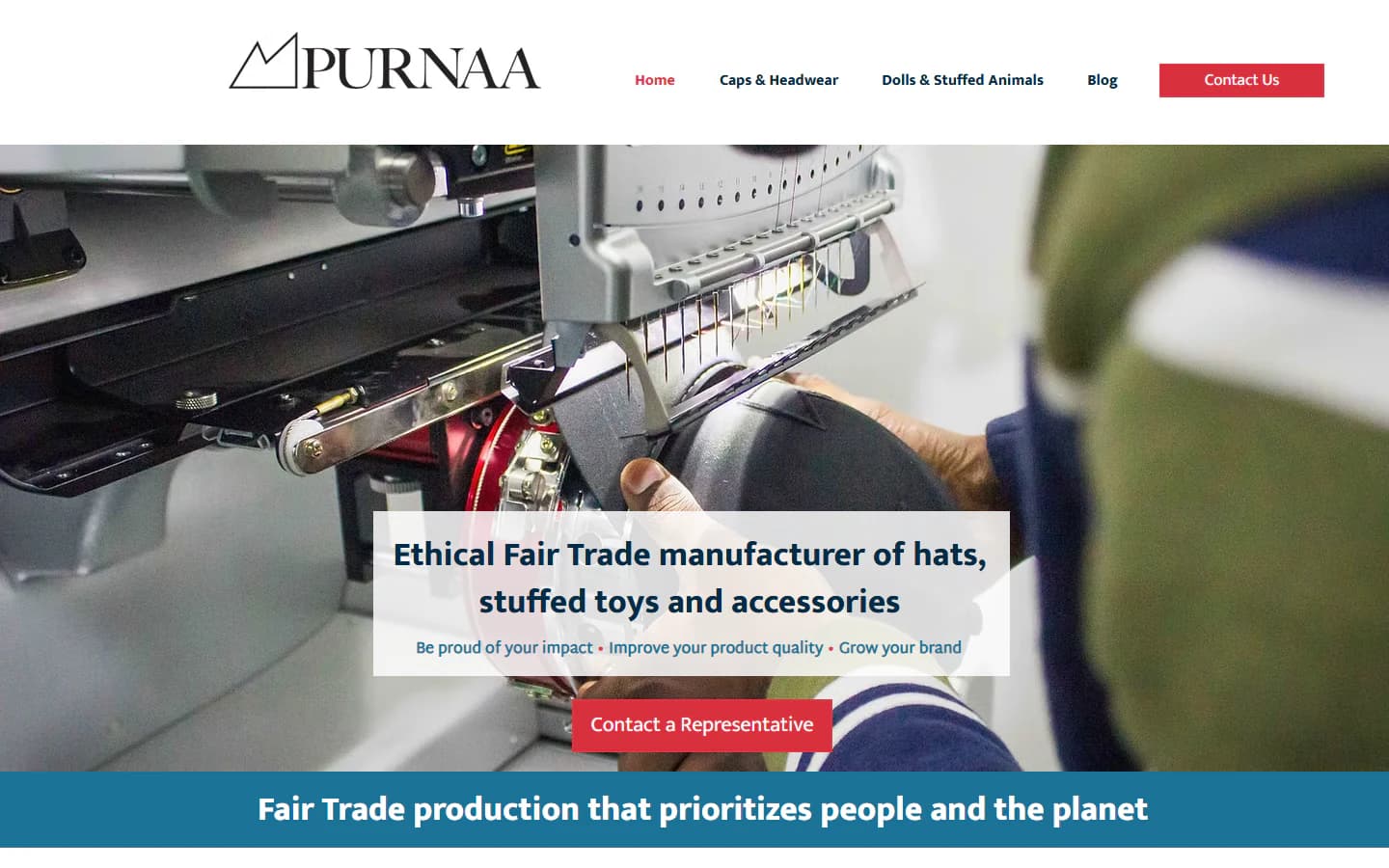
Purnaa official homepage screenshot
Official homepage screenshot captured from https://www.purnaa.com/ for comparison context. The screenshot shows Purnaa's official ethical manufacturing homepage.

Supplier profile 06 · Manufacturer profile

SAI-TEX

Vietnam and global operations

Visit Website

Public website signal: SAI-TEX publicly presents sustainability-led apparel manufacturing with strong environmental positioning and denim/apparel manufacturing context.

Why it appears in this comparison: Its public website is one of the clearer sustainability-first manufacturer references buyers may encounter. Public reference used here: SAI-TEX's official sustainability-led apparel manufacturing homepage.

Best-fit buyer: Brands researching sustainability-focused manufacturing at a more established operational scale.

How to compare it: Look at the exact production route behind the website copy. A useful shortlist does not stop at a polished homepage; it checks whether the supplier can handle the garment category, fit, fabric, labels, decoration, sample approval, QC, and reorder path your brand actually needs.

Limitations: Buyers should confirm category fit, minimums, development path, and whether the supplier matches smaller streetwear programs.

Why buyers shortlist it

  • Strong public sustainability positioning for manufacturer comparisons.
  • Useful benchmark for brands researching established lower-impact production models.
  • Homepage makes sustainability a primary signal rather than an add-on phrase.

What to verify

  • Confirm product category, MOQ, and whether the buyer's program fits the supplier's scale.
  • Ask for current certificate scope and material documentation for the exact order.
  • Verify lead times, inspection process, and claims language before publishing customer-facing copy.
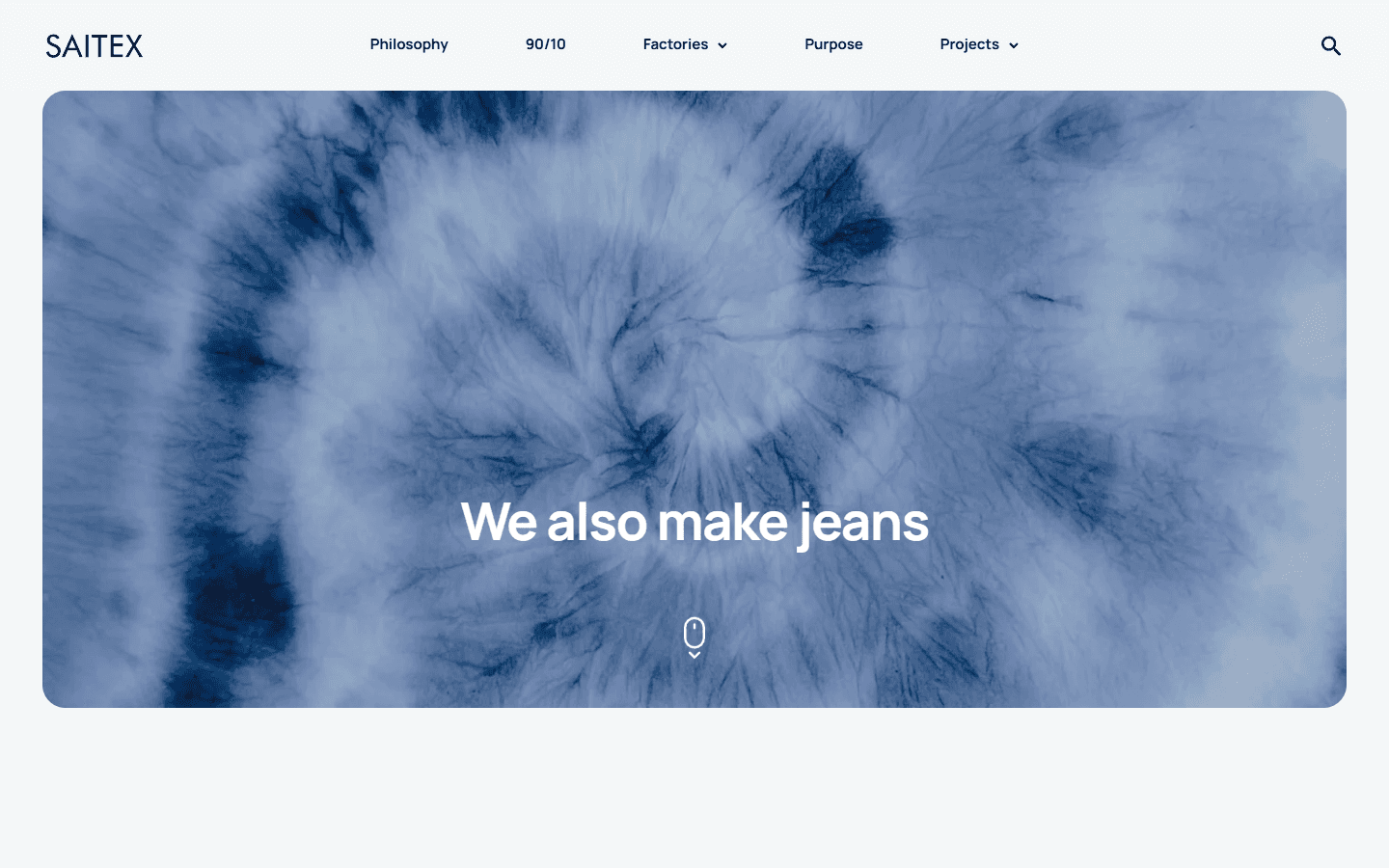
SAI-TEX official homepage screenshot
Official homepage screenshot captured from https://www.sai-tex.com/ for comparison context. The screenshot captures SAI-TEX's official sustainability-focused homepage.

Supplier profile 07 · Manufacturer profile

Thygesen Textile Vietnam

Vietnam

Visit Website

Public website signal: Thygesen Textile Vietnam publicly positions itself as a trustworthy clothing manufacturer with textile and garment manufacturing content.

Why it appears in this comparison: Its public site is useful for buyers comparing Asia-based manufacturing routes beyond China. Public reference used here: Thygesen Textile Vietnam's official clothing manufacturer homepage.

Best-fit buyer: Brands comparing Vietnam-based apparel manufacturing with textile depth and scalable production context.

How to compare it: Look at the exact production route behind the website copy. A useful shortlist does not stop at a polished homepage; it checks whether the supplier can handle the garment category, fit, fabric, labels, decoration, sample approval, QC, and reorder path your brand actually needs.

Limitations: Confirm sustainable material availability, certificate scope, MOQ, and category specialization for the exact product.

Why buyers shortlist it

  • Vietnam-based apparel manufacturer reference for regional comparison.
  • Public site communicates textile and garment manufacturing depth.
  • Useful for buyers comparing Asia production routes beyond China.

What to verify

  • Confirm sustainable material availability and certificate scope by product.
  • Ask for MOQ, sample route, category specialization, and lead time.
  • Verify QC, packing, and export documentation process.
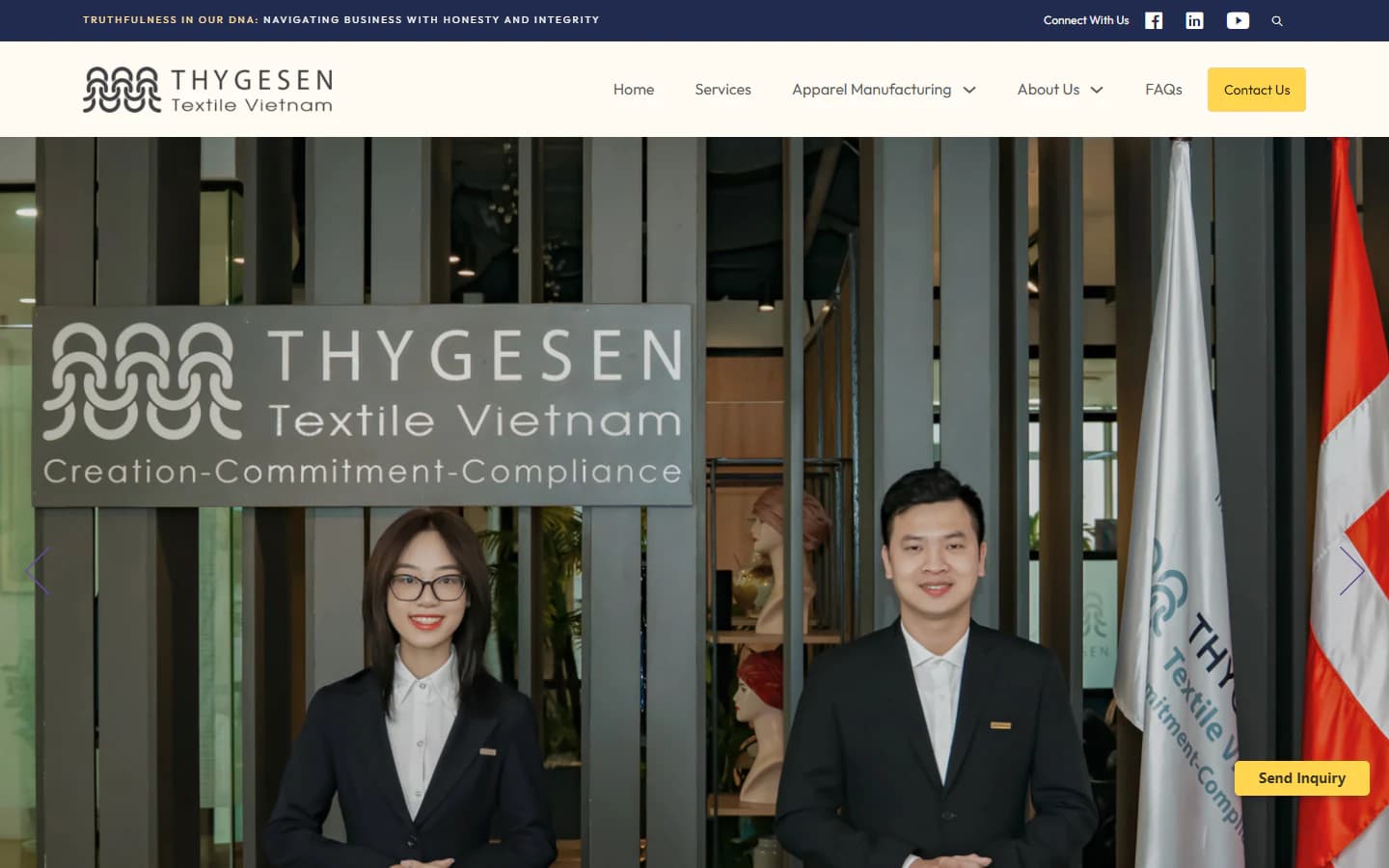
Thygesen Textile Vietnam official homepage screenshot
Official homepage screenshot captured from https://thygesenapparel.com/ for comparison context. The screenshot captures Thygesen Textile Vietnam's official clothing manufacturer homepage.

Approval Checklist

  • task_altAsk which certification applies to the fiber, fabric, factory, transaction, or finished garment
  • task_altConfirm MOQ by sustainable fabric, color, trim, and decoration method
  • task_altRequest wash, shrinkage, colorfastness, and decoration durability tests
  • task_altCheck packaging and freight choices before making broad sustainability claims
  • task_altKeep certificate copies, scope notes, and final product claims aligned
  • task_altConfirm QC and replacement terms for fabric shade or shrinkage issues

What Can Go Wrong

  • errorUsing eco language before verifying certificate scope
  • errorAssuming every organic or recycled fabric is available at flexible MOQ
  • errorIgnoring dyeing, trims, packaging, and freight in sustainability comparisons
  • errorPublishing customer-facing claims that go beyond the actual production documents

What to Send the Manufacturer

  • Product type and reference
  • Quantity by style and color
  • Size range and target fit
  • Fabric, GSM, and handfeel
  • Artwork and decoration method
  • Labels and packaging
  • Destination country
  • Target launch or delivery date
Send these details in your RFQ

Factory Evidence

Use the factory process library to review production, decoration, QC, and packing operations relevant to this decision.

Review Meiting factory process videos

Want us to review your project details?

Send your tech pack, reference photos, quantity, target timeline, or current supplier problem. We will respond with a practical next step.

Send RFQ