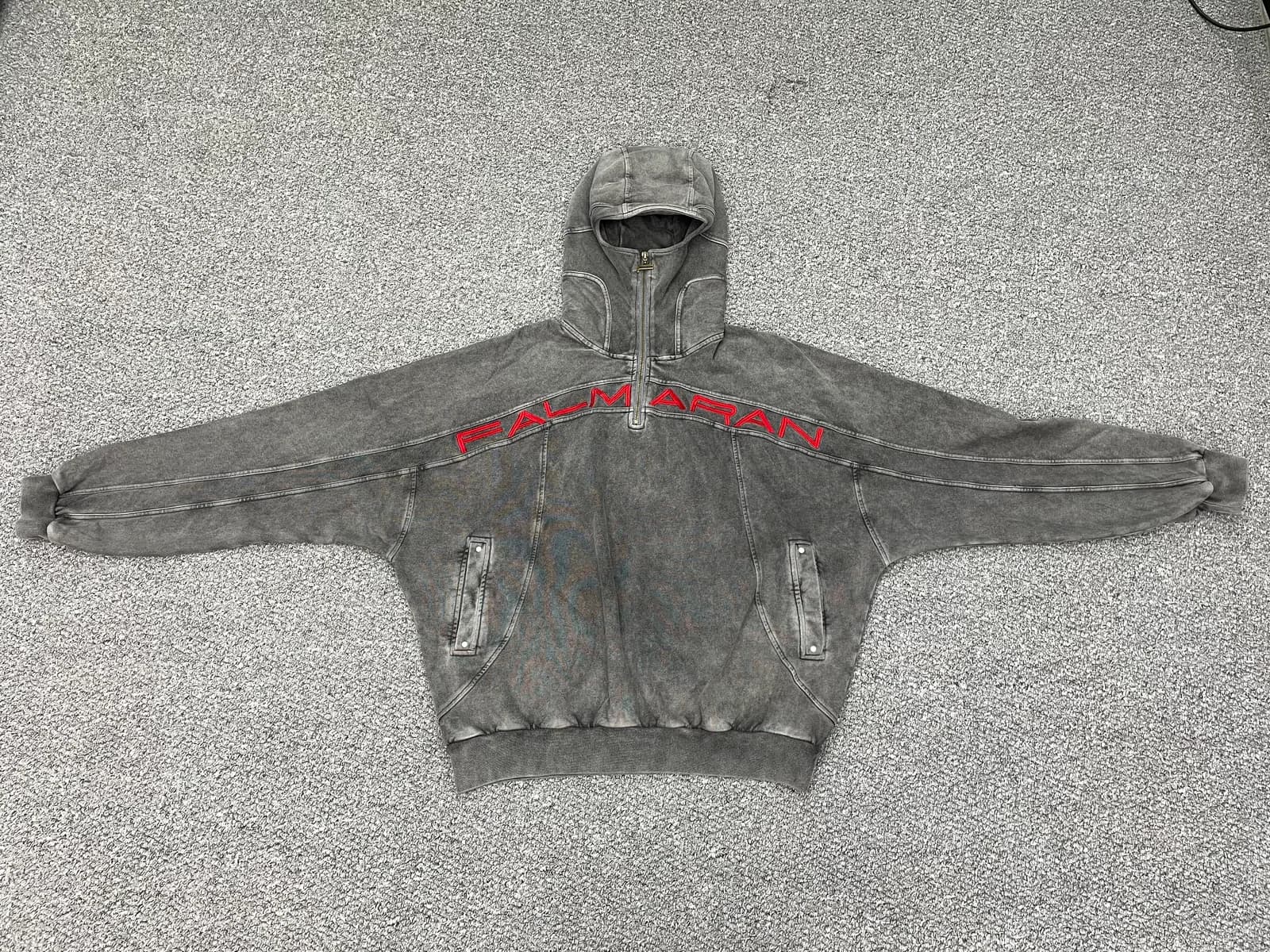
Acid-wash direction
Used for high-contrast, irregular fading. Base shade, fabric construction, abrasion intensity, artwork sequence and acceptable mottling need sample approval.
Finishing Capability
A wash name is only a direction. The final garment result depends on fiber, knit or weave, base color, dye route, construction, rib, thread, trims, artwork, shrinkage and the acceptable range of variation. This page helps buyers define what must be approved before bulk.
The local sample images show real garment and finishing references. They do not promise that every listed finish is suitable for every garment. Availability, material compatibility, chemical route, appearance and tolerance are confirmed from the actual project brief and sample.
Approval Matrix
Wash and dye effects contain natural variation. The objective is to define the intended look, construction compatibility and acceptable bulk range before the production lot is released.
| Buyer input | Factory review | Approval evidence |
|---|---|---|
| Fabric and base garment | Review fiber content, fabric weight, knit or weave, base shade, shrinkage potential, rib, thread, interlining, elastic and hardware compatibility. | Confirmed material route and a physical garment sample using the intended construction. |
| Target shade and surface | Define whether the brief needs an even garment-dyed shade, faded highs and lows, marbling, mottling, abrasion or a deliberately distressed appearance. | Approved sample plus visual references and a written boundary for acceptable variation. |
| Artwork and decoration sequence | Check whether print, embroidery, patches, labels, studs or transfers should be applied before or after the finish and how washing affects them. | Order of operations and a finished sample showing the combined wash and decoration result. |
| Measurements and performance | Record shrinkage, twisting, seam behavior, rib recovery, handfeel, colorfastness and any risk of holes, breakage or hardware damage. | Before-and-after measurements with project-specific performance checks and tolerance decisions. |
| Bulk variation | Set the comparison method for shade bands, fading, abrasion, surface marks and unacceptable garment damage across the lot. | Retained reference, approved range and repeatable QC checkpoints for the production batch. |
Routes to Review
Used for high-contrast, irregular fading. Base shade, fabric construction, abrasion intensity, artwork sequence and acceptable mottling need sample approval.
Useful when color is developed after garment assembly. Fiber content, sewing thread, trims, shrinkage, shade tolerance and colorfastness must be reviewed together.
Can create a soft, worn surface and controlled fade. The target color, seam highs, crocking risk, handfeel and repeatability are confirmed from a physical sample.
Supports aged, mottled or high-low streetwear effects. Each garment may vary, so the approved sample and acceptable visual range matter more than the route name alone.
Often considered for softening, surface change or denim-like abrasion. Fabric strength, seam behavior, shrinkage and damage risk determine whether the route is suitable.
Local fading, abrasion, edge wear and distressed details require placement standards and safety checks so the approved look does not become uncontrolled damage in bulk.
Visible Production Evidence
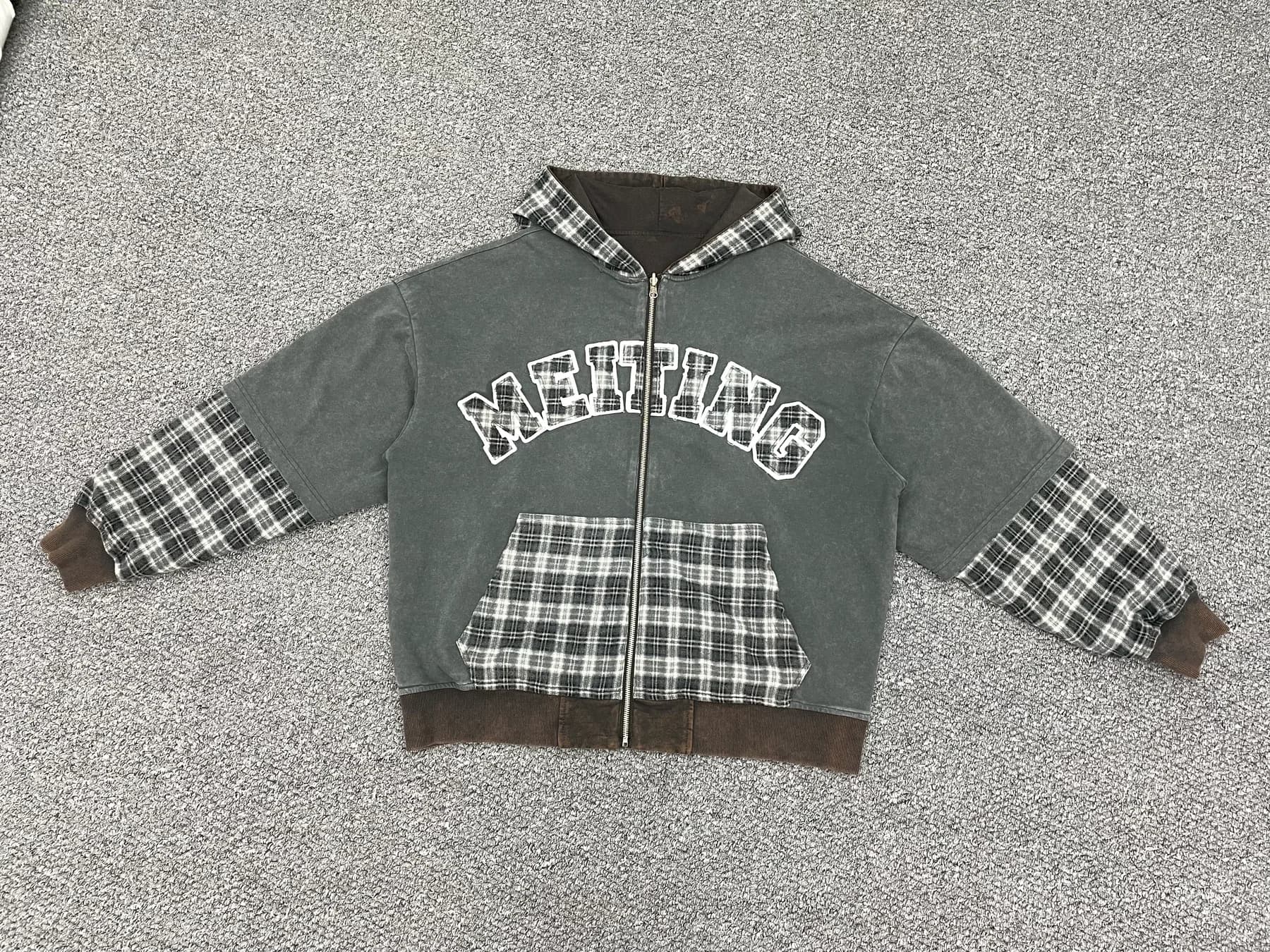
New local garment reference showing the wash result across body fabric, plaid panels, rib, zipper and pocket construction.
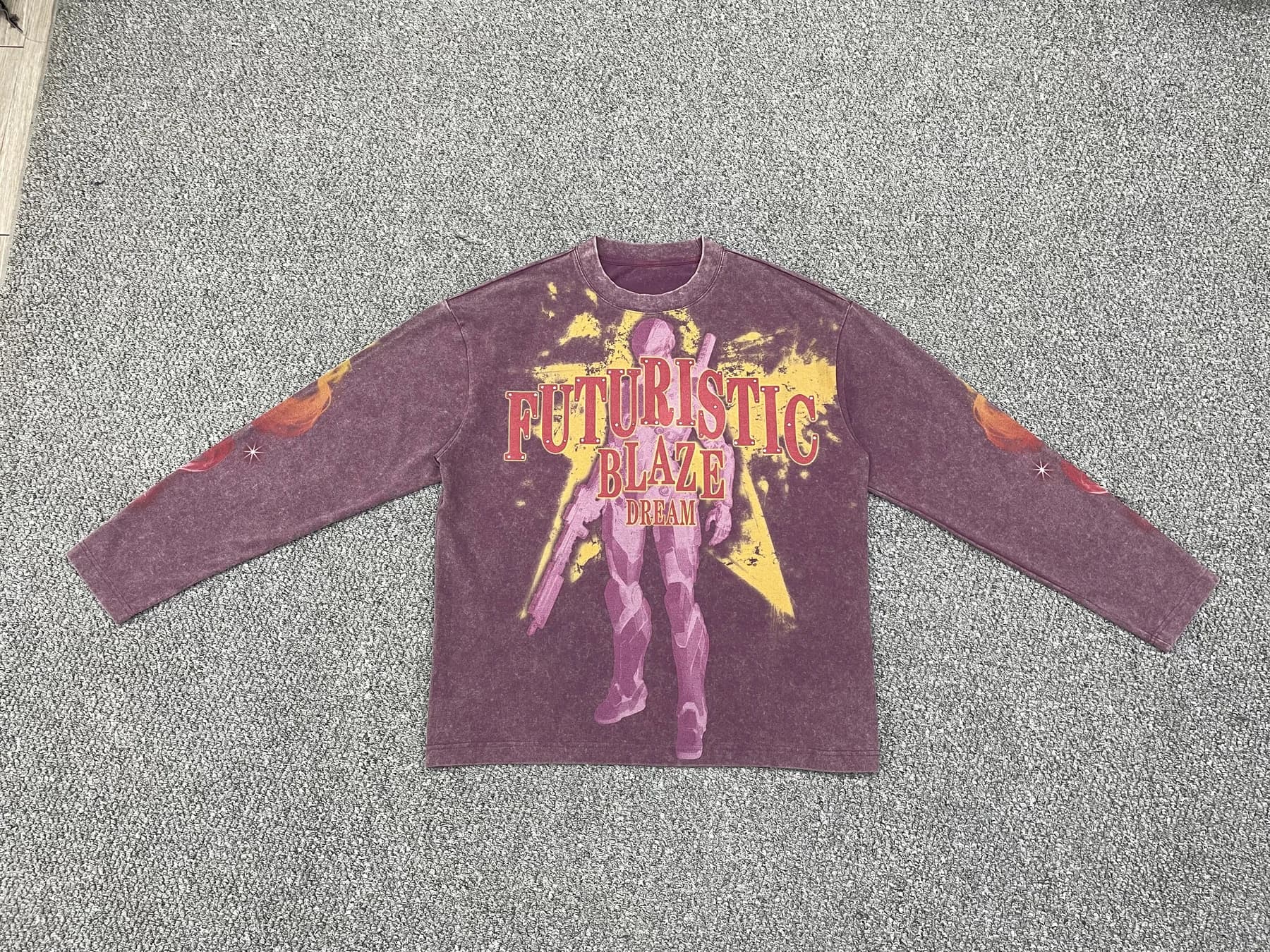
New local reference for reviewing shade variation, neckline, sleeve graphics and the sequence between washing and decoration.
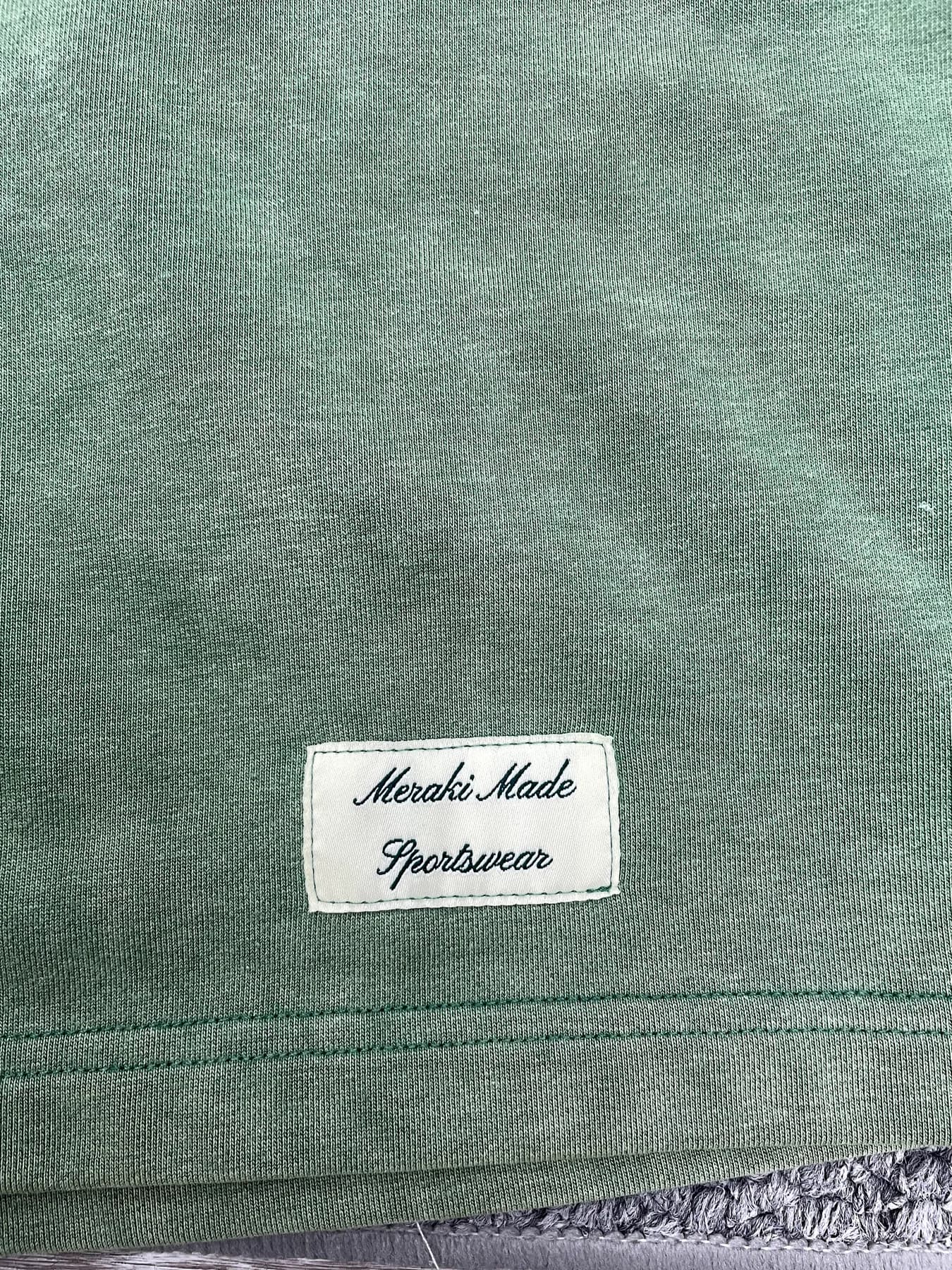
New local close-up used to inspect shade, seam highs, surface character and the relationship between the dyed garment and sewn label.
Evidence and Buyer Guides
Review a published sample reference connecting wash effect with hoodie construction, graphics, fit and project confirmation points.
Review evidenceSee a washed oversized T-shirt direction and the product details a buyer should confirm before sampling.
Review evidenceUse the buyer guide to place wash approval in the correct sequence with fabric, fit, artwork, labels and PP review.
Review evidenceMeiting can review acid, garment-dye, pigment, vintage, snow, enzyme, stone-wash, sun-fade and distressing directions as part of custom apparel production. The actual route depends on material, construction, color, decoration, supplier capability and sample approval.
No. Washed and dyed garments can show controlled variation. Buyers should approve a reference and define acceptable shade, surface, abrasion and measurement ranges before bulk.
The sequence depends on the print, embroidery or embellishment method and the intended visual result. It should be tested on the actual project route rather than assumed from a generic sample.
Check body and sleeve measurements, twisting, seam behavior, rib recovery, handfeel, shade, colorfastness, artwork condition, hardware and any unacceptable damage.
Flexible MOQ starts at 150 pcs per style/color for suitable programs. Fabric, color, wash route, decoration, trims, packaging and specialist supplier minimums may require a higher project quantity.
Include the garment type, fiber and fabric target, base color, wash reference, artwork sequence, trims, measurements, quantity, destination and required date. We will identify what must be sampled and measured before bulk.