Meiting Garments logo mark

Material Decision Library

Fabric & Material Library for Custom Apparel

This is a decision library, not a ready-stock swatch catalog. It helps buyers describe the fabric direction they need and understand which variables a sourcing and sampling route must confirm before bulk production.

Each material name below is a starting direction. Composition, construction, weight, color, finish, certification, supplier MOQ, price and availability are confirmed for the actual project and should not be inferred from a product image alone.

Evidence Boundary

This library shows material directions Meiting can review. It does not represent guaranteed current stock, supplier MOQ, composition, color availability, certification or price until the project route is confirmed.

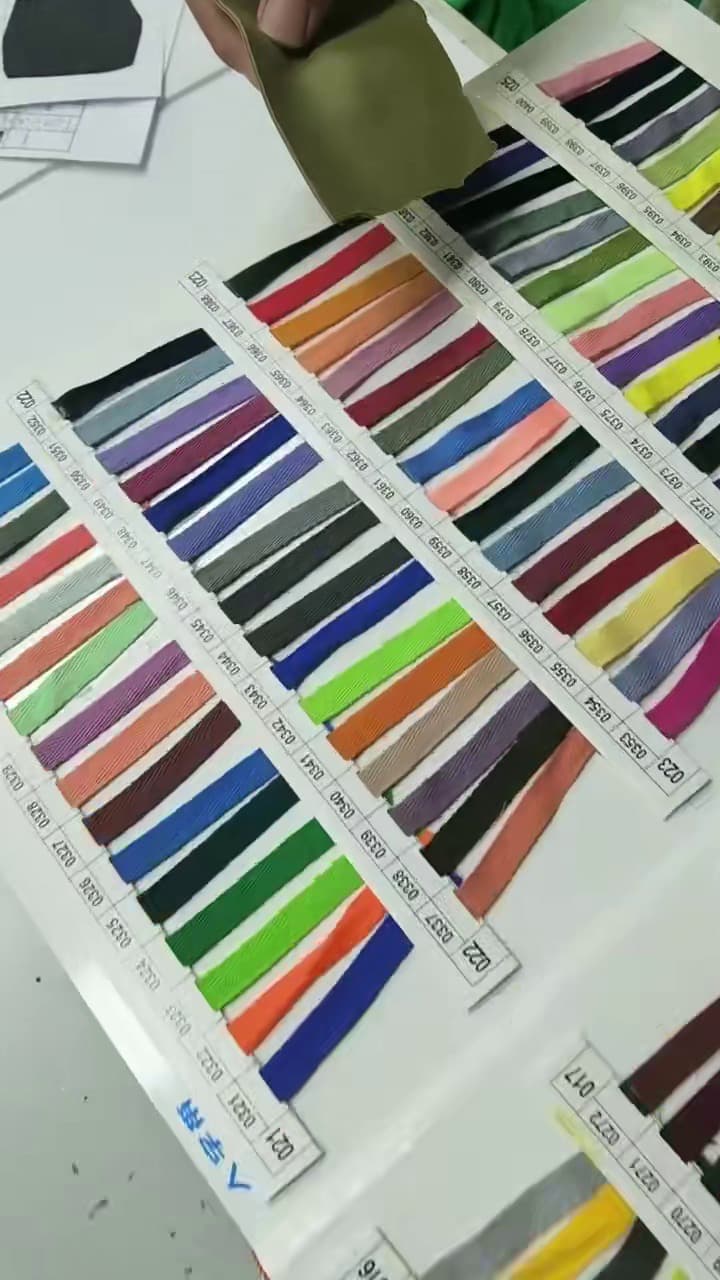
Factory color cards used during custom apparel material review

Material Directions

Compare what the material must do in the finished garment.

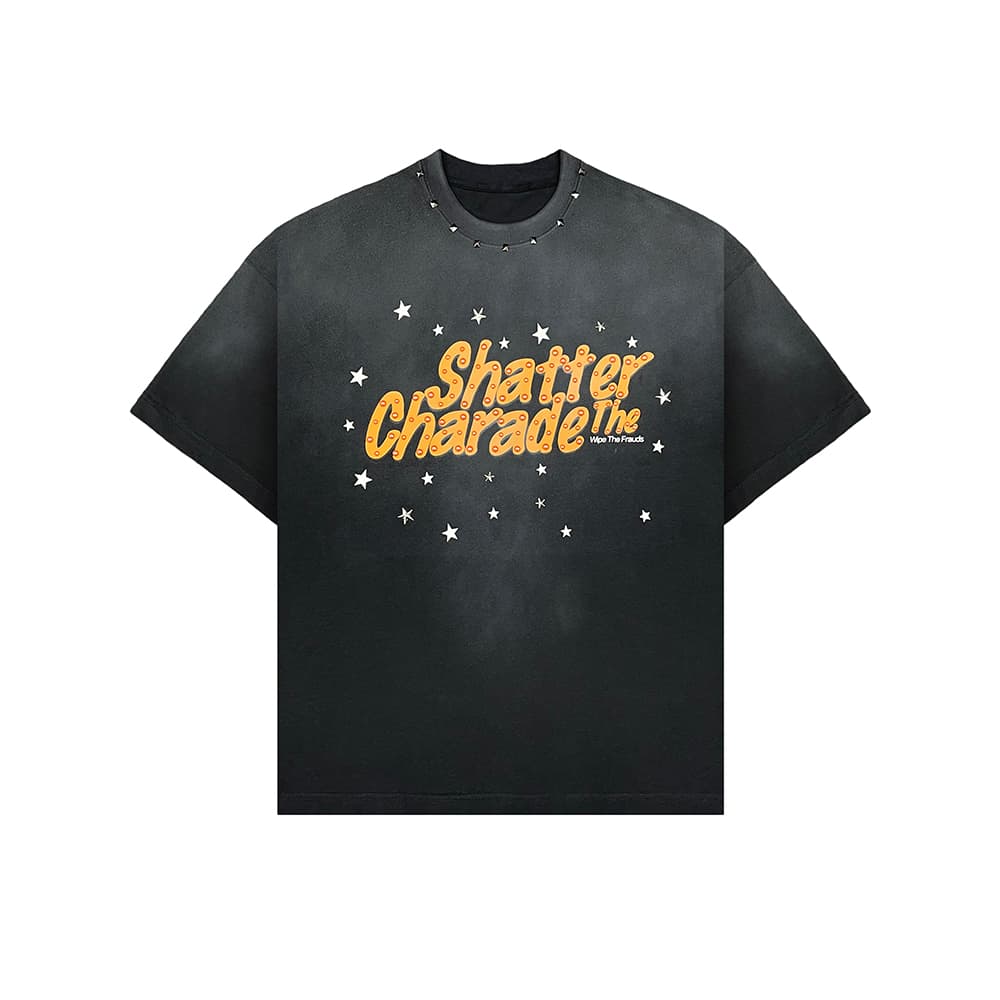
Black heavyweight cotton jersey graphic T-shirt reference

Cotton Jersey

Best for
T-shirts, long sleeves and lightweight streetwear tops
Handfeel direction
Soft to structured, depending on construction and weight
Decoration fit
Screen print, selected puff or digital routes, embroidery after testing
Confirm before bulk
Composition, knit construction, target weight, shrinkage, recovery, color and wash route
Key risk
A weight number alone does not prove opacity, drape, shrinkage or collar compatibility.
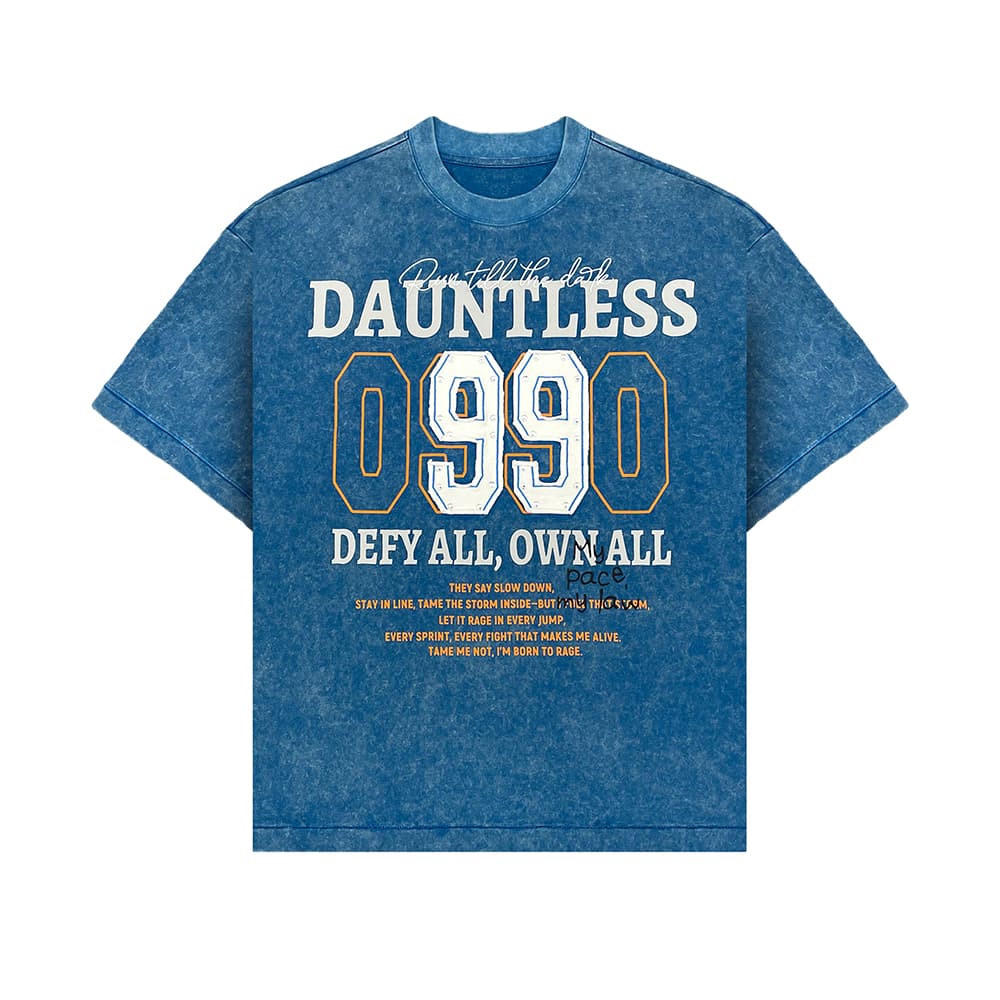
Blue washed cotton jersey T-shirt material direction reference

Washed Cotton Jersey

Best for
Vintage, pigment, faded or washed graphic T-shirt directions
Handfeel direction
Broken-in or dry vintage handfeel, depending on treatment
Decoration fit
Print, patch and selected embroidery routes after wash-order review
Confirm before bulk
Base fabric, color target, treatment sequence, shade tolerance, post-wash measurement and artwork interaction
Key risk
Wash treatment can change shade, handfeel, dimensions and print appearance across lots.
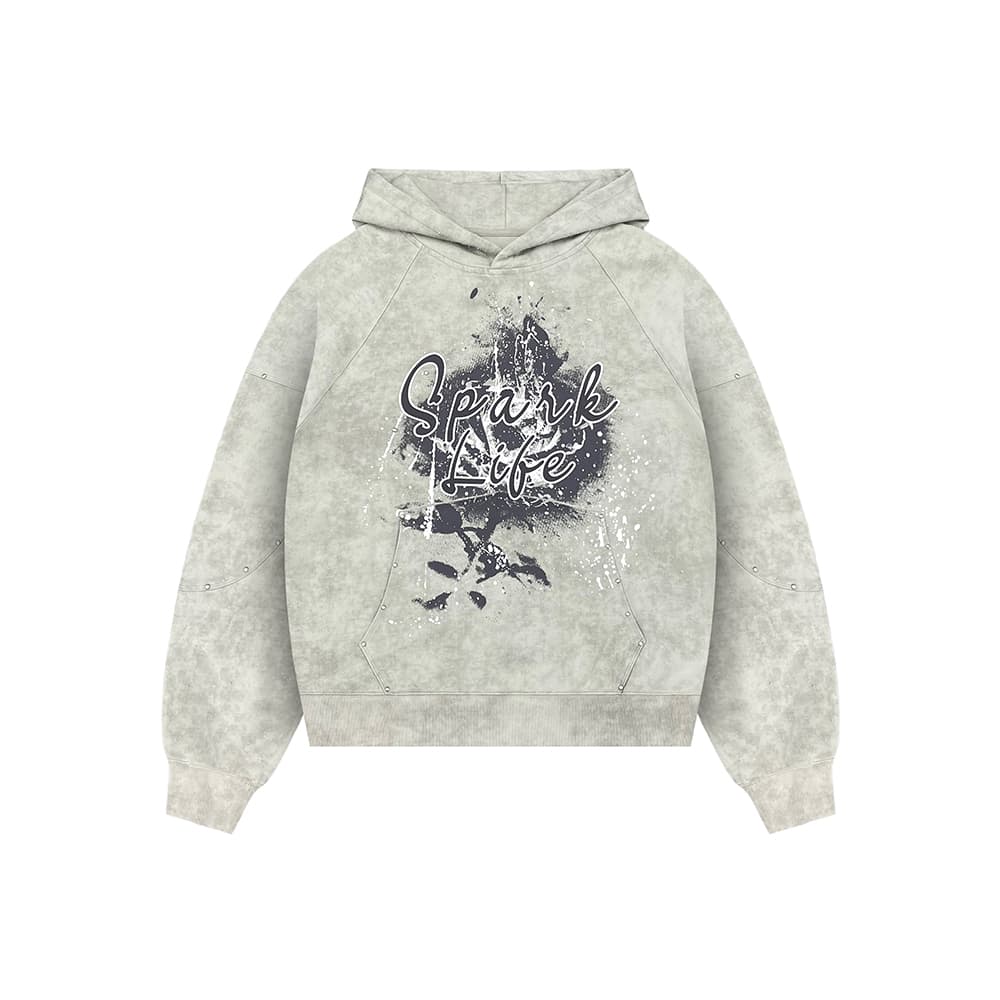
Light grey hoodie reference for French terry material direction

French Terry

Best for
Loopback hoodies, crewnecks and transitional streetwear
Handfeel direction
Structured face with loopback interior
Decoration fit
Screen print, embroidery, applique and private-label finishing
Confirm before bulk
Target weight, loop structure, stretch, shrinkage, rib match, color and surface finish
Key risk
Main fabric and rib can recover or shrink differently if they are not reviewed as one garment system.
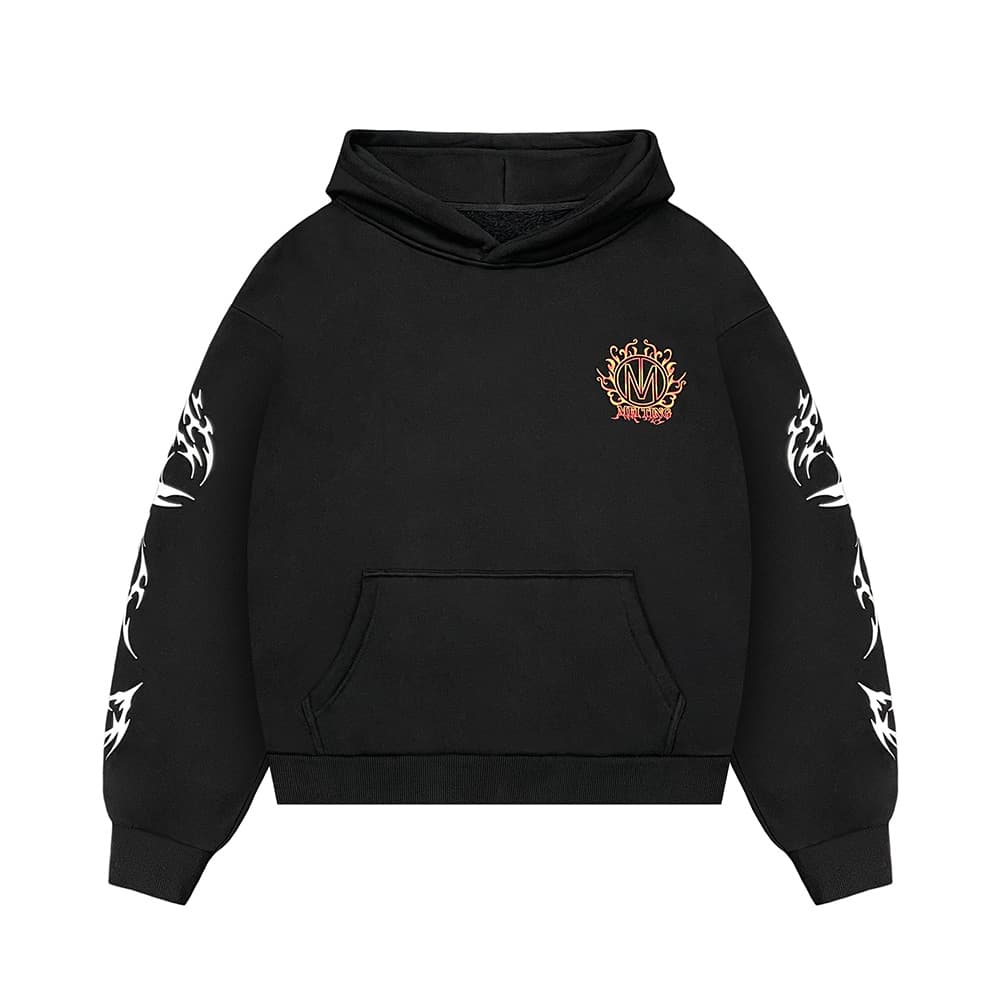
Black heavyweight fleece hoodie material direction reference

Brushed Fleece

Best for
Heavyweight hoodies and warm streetwear programs
Handfeel direction
Soft brushed interior with a fuller body
Decoration fit
Print, embroidery, patch and selected wash routes after testing
Confirm before bulk
Face quality, brushing, pilling direction, weight, shrinkage, hood balance, rib and decoration compatibility
Key risk
A heavier fabric can change drape, sewing thickness, hood balance, drying and decoration behavior.
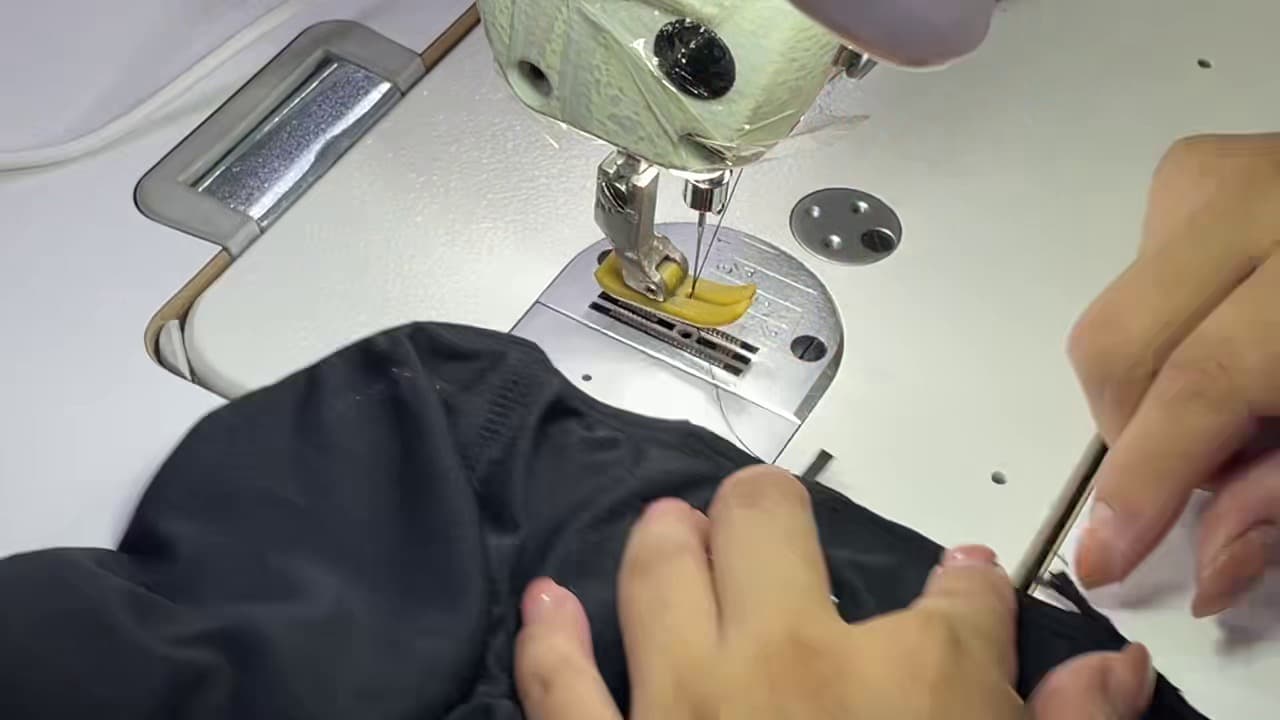
Garment sewing process used to review rib and trim construction

Rib and Recovery Trims

Best for
T-shirt collars, hoodie cuffs, hems and crewneck finishing
Handfeel direction
Elastic or structured trim matched to the garment route
Decoration fit
Usually a construction component rather than a decoration surface
Confirm before bulk
Width, stretch, recovery, composition direction, color match, shrinkage and attachment method
Key risk
Weak recovery or a mismatched shrinkage route can distort collars, cuffs and hems after wash.
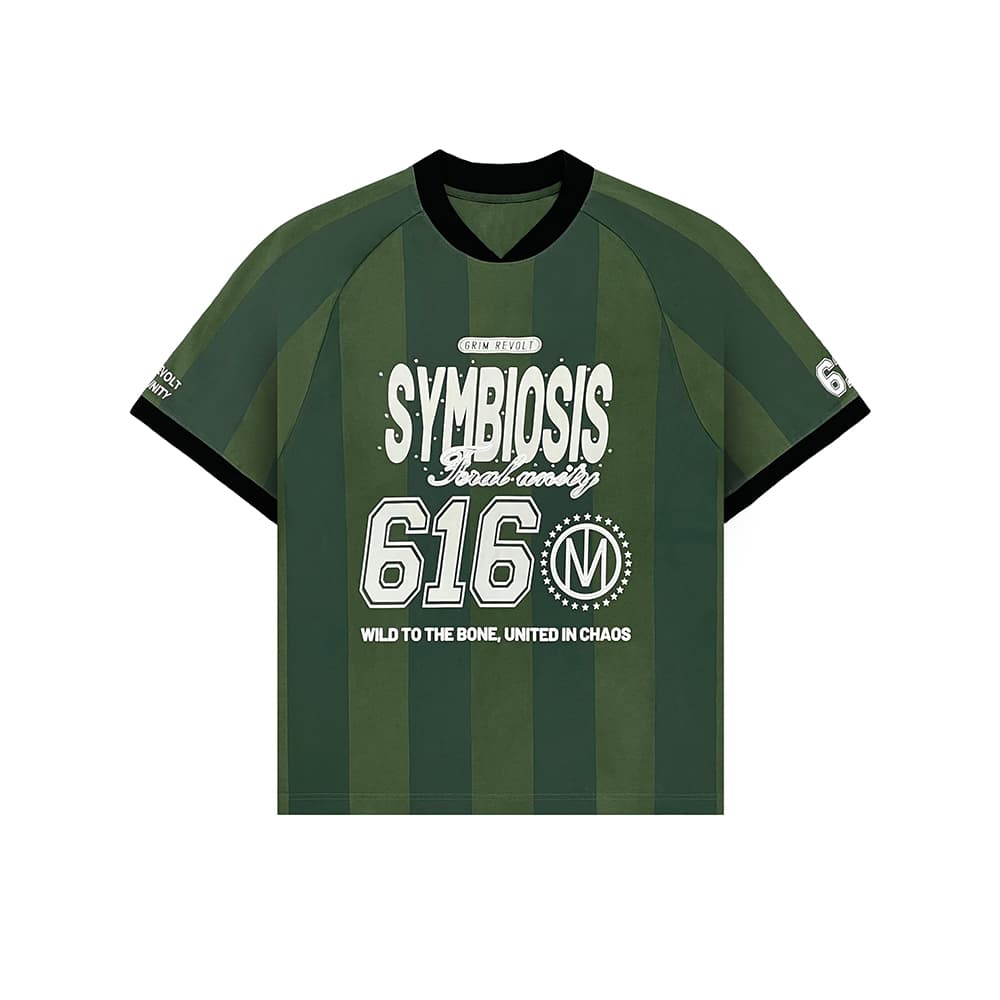
Green striped performance jersey material direction reference

Performance Jersey

Best for
Sports jerseys and selected active-inspired tops
Handfeel direction
Smooth, lightweight or structured performance-knit direction
Decoration fit
Panel print, logo print and selected heat-transfer routes
Confirm before bulk
Fiber and knit construction, stretch, opacity, moisture expectations, heat sensitivity and print route
Key risk
Heat, stretch and color migration can affect print appearance and garment performance.

Approval Path

Move from a fabric idea to an approved production standard.

1. Define the garment decision

State the product, intended silhouette, target market, climate, retail position, color, decoration and the performance or handfeel the fabric must support.

2. Compare the material route

Review construction and weight direction together with stretch, recovery, surface, shrinkage, wash, supplier minimum and cost implications.

3. Approve physical evidence

Use the relevant swatch, color approval, decoration test or garment sample. A website image cannot establish composition, handfeel, color or bulk repeatability.

4. Lock the release standard

Record the approved material reference, color, treatment, trim match, sample result, testing requirement and QC points used before bulk cutting.

Fabric and Material Questions

Does this fabric library show materials that are currently in stock?expand_more

No. It shows material directions that can be reviewed. Current stock, composition, construction, weight, color, finish, supplier MOQ, certification, price and lead time are confirmed for the project.

What should I send for fabric sourcing?expand_more

Send the garment type, target handfeel and weight, composition preference, color, stretch or performance requirement, wash, decoration, quantity, target price position, destination and any document or testing requirement.

Can a GSM number identify the right fabric by itself?expand_more

No. GSM is only one variable. Knit or weave construction, fiber, density, finishing, brushing, stretch, recovery, shrinkage and handfeel also affect the finished garment.

When should a buyer approve fabric?expand_more

Approve the material direction before treating the garment sample as final. When color, wash, decoration or shrinkage can change the result, approve the relevant physical evidence and record the release standard before bulk cutting.

Does a supplier certificate apply to every fabric option?expand_more

No. Any material document or certification must be checked against the named supplier, material, scope, date and project requirement. It should not be assumed to cover unrelated fabrics or all factory output.

Describe the result the fabric must create, not only a material name.

Share the garment, fit, target weight and handfeel, color, wash, decoration, quantity, market, budget direction and any testing or document requirement. We will identify the material decisions that need sourcing and sample approval.

Request Material Review