
Screen print
A strong route for bold graphics, controlled spot colors and repeat programs. Color count, underbase, screen setup, ink deposit, cure and handfeel should be sampled on the actual garment fabric.

Decoration Capability
This page helps apparel buyers choose a print route around artwork detail, fabric, handfeel, placement, color, wash expectations and bulk repeatability. Screen print, digital print and heat-transfer routes solve different problems, so the artwork and garment should be reviewed together before a method is confirmed.
The local production images document visible sample and decoration references. They do not promise that every artwork, ink system, fabric or specialty effect is suitable. The order-specific route is confirmed through artwork review and a physical strike-off or garment sample.
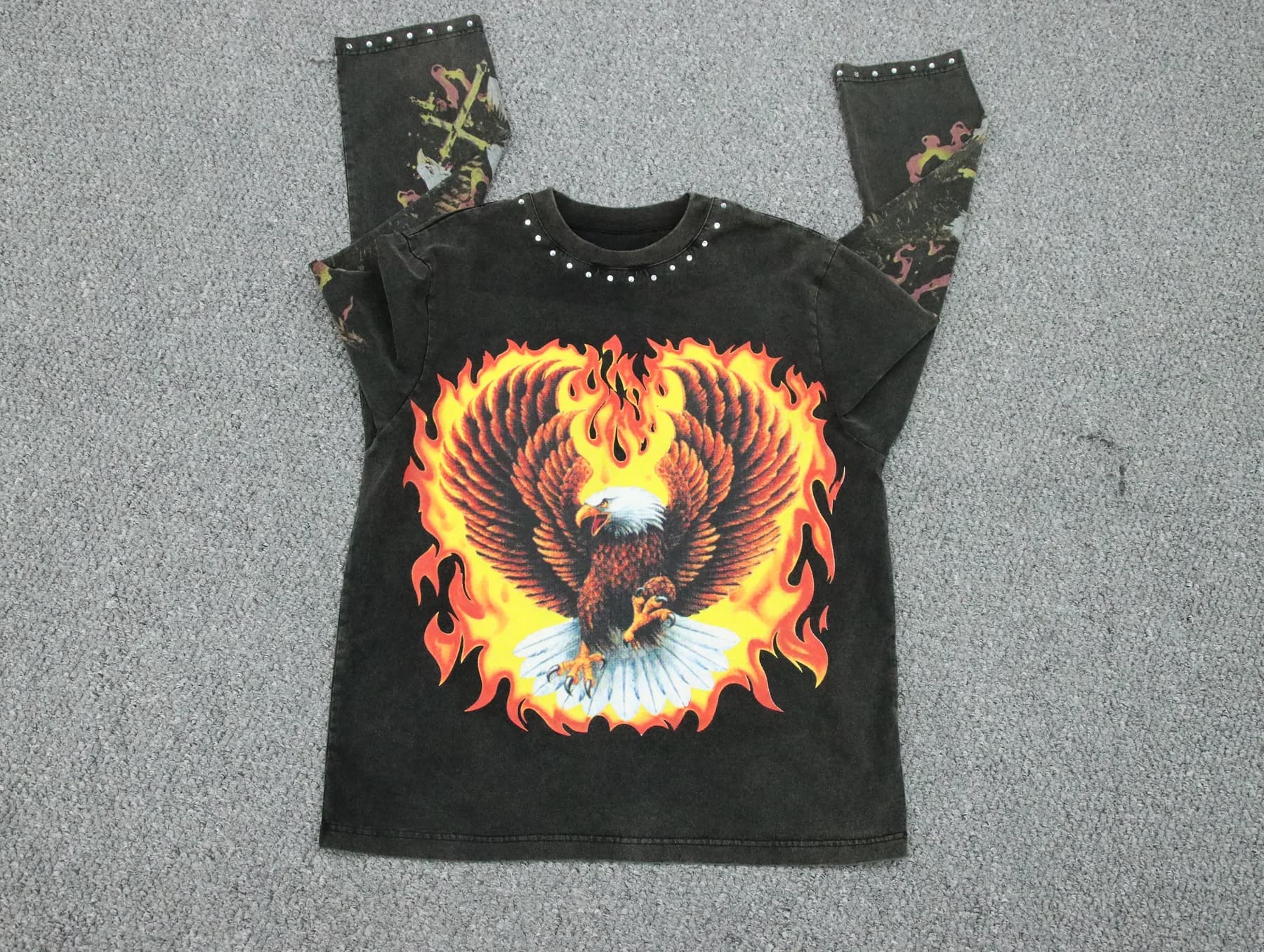
Approval Matrix
A print method should be selected from the required result, not from the keyword in a brief. These checkpoints turn a visual idea into an approval standard that production and QC can repeat.
| Buyer input | Factory review | Approval evidence |
|---|---|---|
| Artwork detail and color | Review line weight, gradients, halftones, color count, underbase, edge definition, tonal range and whether the artwork requires a separate puff-print capability review. | Released artwork version, production size, color reference and selected print route. |
| Fabric and garment color | Check fiber content, surface texture, stretch, fabric weight, garment shade, pretreatment needs and whether heat or curing may change the substrate. | Physical strike-off or garment sample on the confirmed fabric and color direction. |
| Placement and construction | Measure the graphic from stable garment points and check seams, pockets, zippers, rib, panels, sleeve shape and available print area. | Placement diagram plus a measured sample showing scale and orientation on the garment. |
| Handfeel and durability | Review ink deposit, surface height, flexibility, cure, cracking risk, wash route and the interaction with garment dye or wash effects. | Approved handfeel and project-specific wash or handling check before bulk release. |
| Bulk repeatability | Set tolerances for position, shade, opacity, edge quality, surface defects, contamination and visible variation across the production lot. | Retained reference, current artwork release and a QC checklist tied to the production batch. |
Routes to Review
A strong route for bold graphics, controlled spot colors and repeat programs. Color count, underbase, screen setup, ink deposit, cure and handfeel should be sampled on the actual garment fabric.
Useful when artwork requires tonal detail, gradients or many colors. Fabric suitability, pretreatment, color behavior and the final handfeel still need to be confirmed from the actual substrate.
A transfer route can support detailed graphics and selected placements. Heat sensitivity, adhesive behavior, edge finish, stretch and wash durability are reviewed before bulk.
Visible Production Evidence
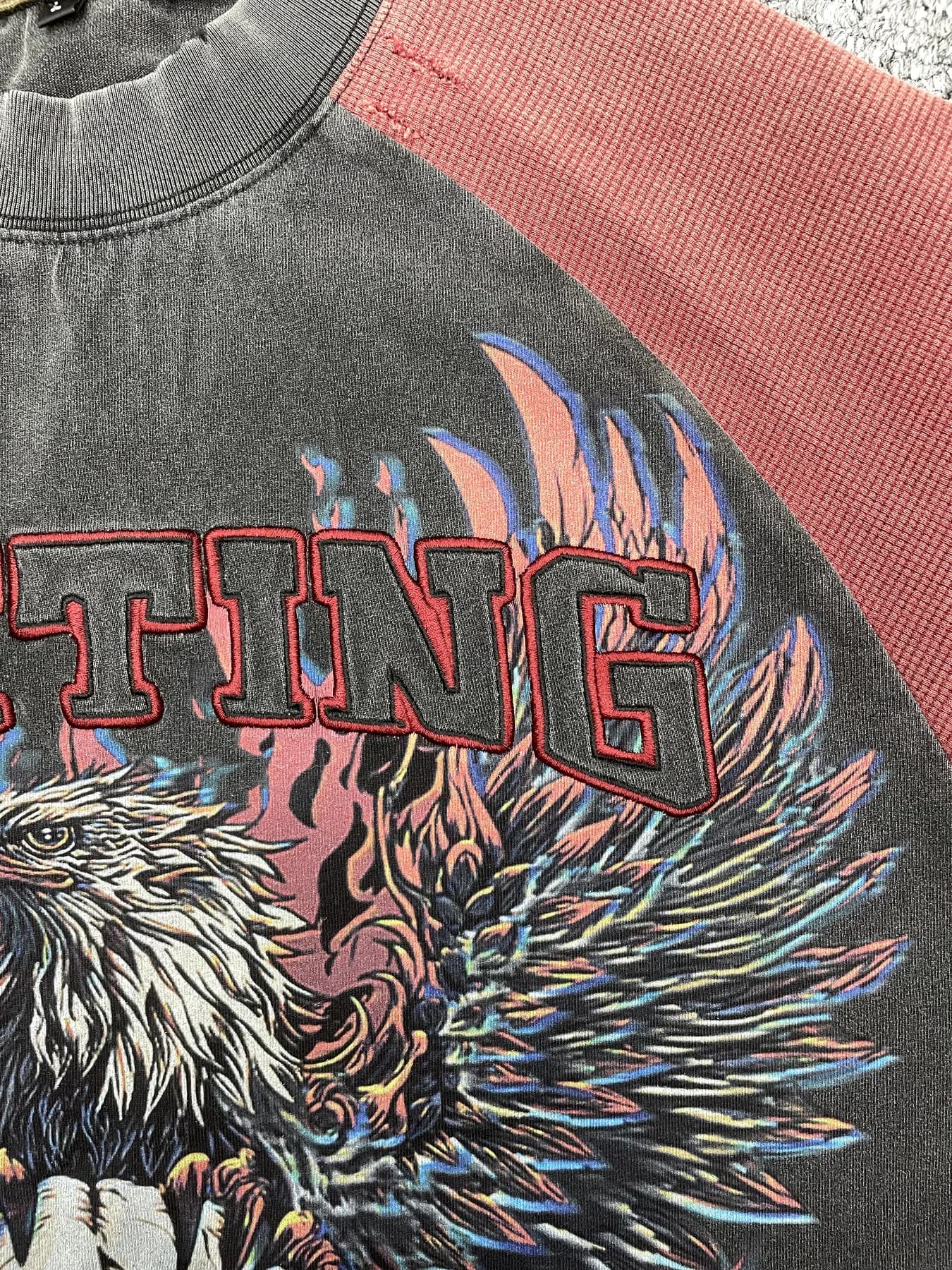
New local production reference showing why print surface, embroidered edges, fabric wash and panel seams need to be reviewed as one garment result.
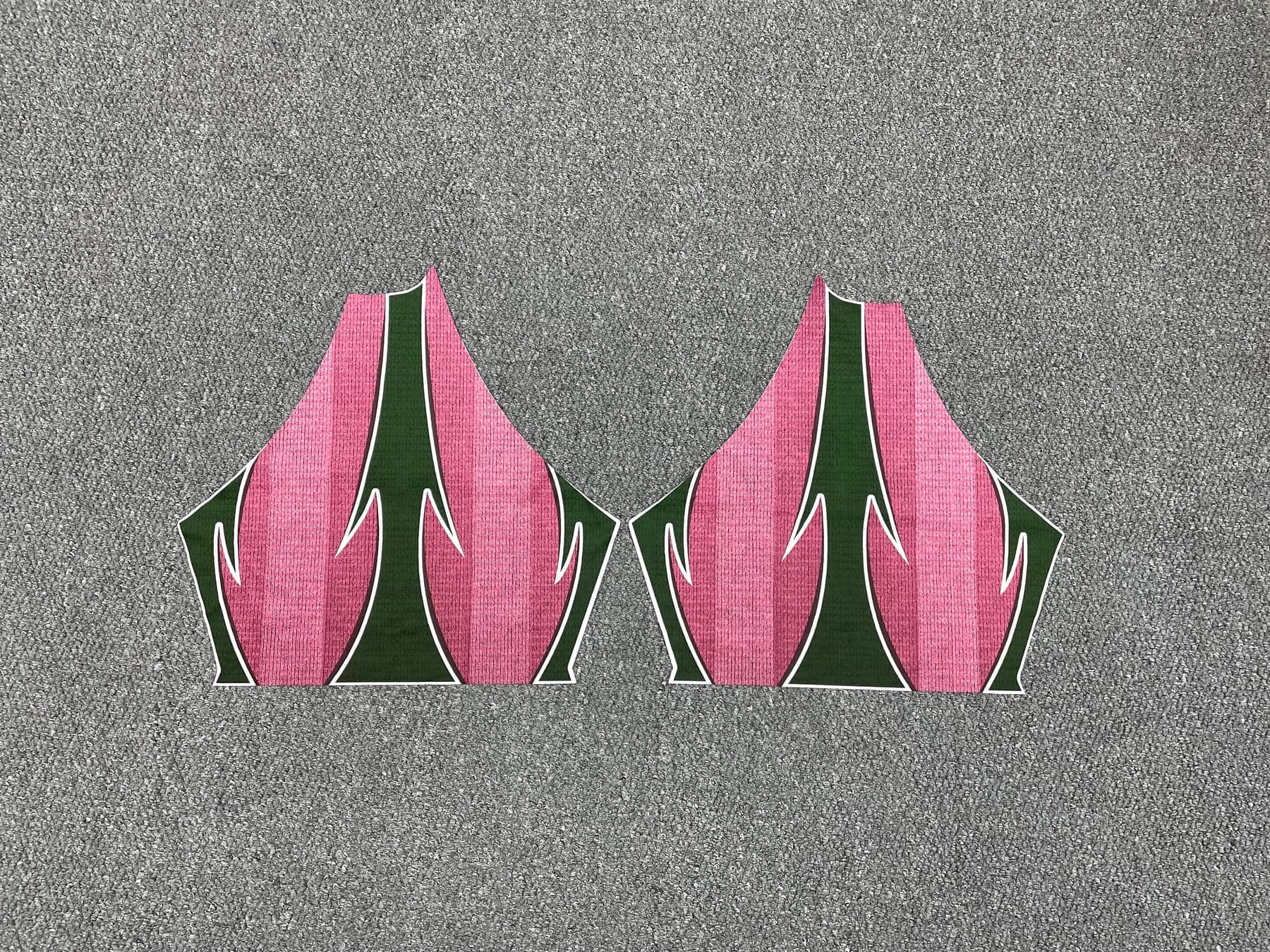
New local factory reference showing two matching printed panels before assembly. Shape, orientation, scale and left-right consistency are visible approval points.
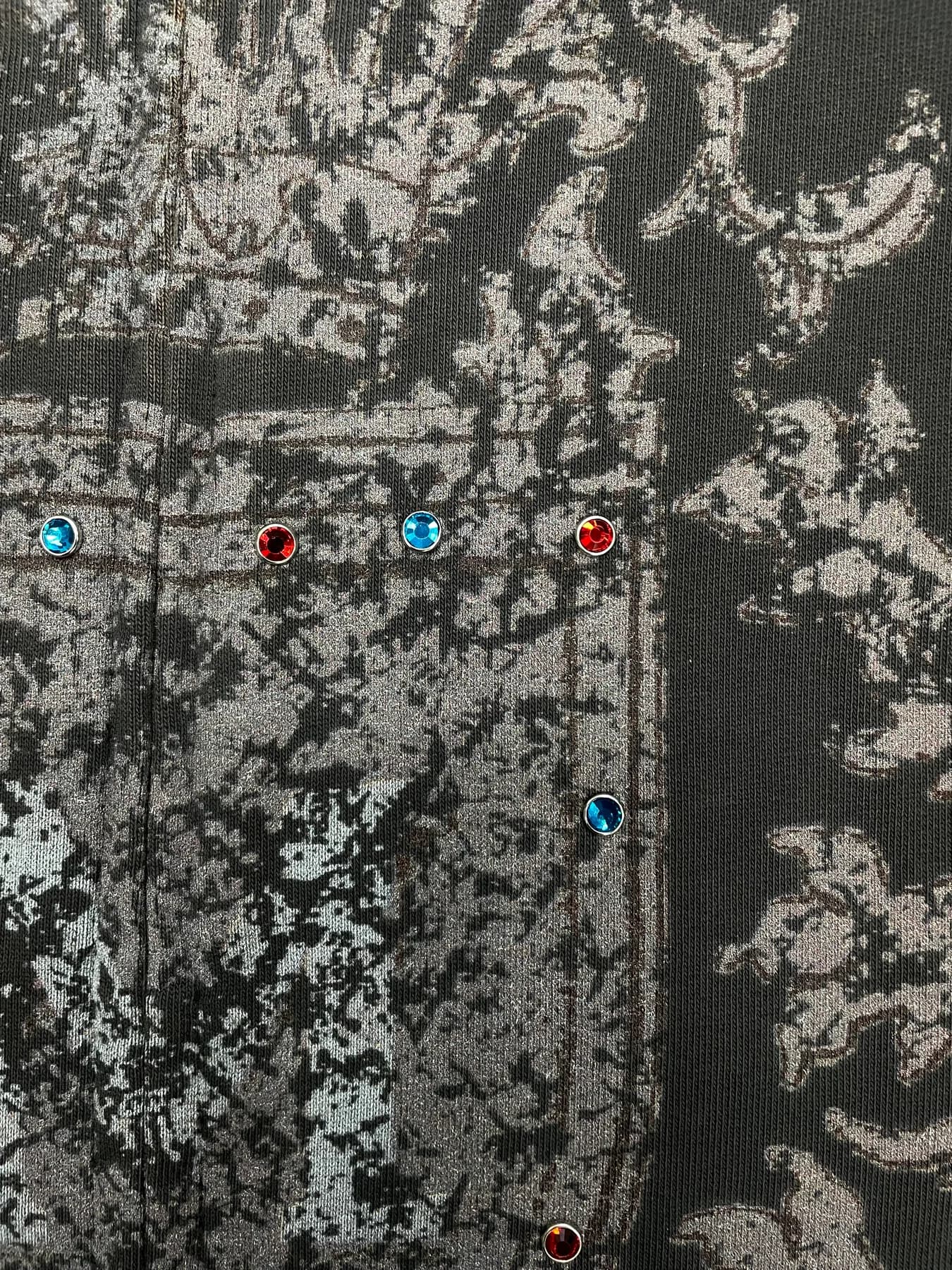
New local sample close-up used to review edge quality, surface coverage, added embellishment and the boundary between decoration routes.
Evidence and Buyer Guides
Review artwork spacing, target height, fabric interaction, curing, physical samples and bulk QC for raised streetwear graphics.
Review evidenceCompare artwork detail, handfeel, setup, durability and fabric implications before choosing a decoration route.
Review evidenceReview artwork spacing, target height, fabric, curing, sampling and QC risks for raised hoodie graphics.
Review evidenceConnect a graphic T-shirt brief with fabric, fit, decoration placement, sample approval and QC evidence.
Review evidenceChoose from the artwork, fabric, garment color, target handfeel, placement, quantity, wash expectation and approval standard. Screen, digital and transfer routes should not be treated as interchangeable labels.
Meiting can review printing as part of custom hoodie, T-shirt and streetwear production. The exact method, artwork setup, fabric, sample, MOQ, timing and quote scope are confirmed for each project.
Puff print is reviewed through the dedicated Puff Print Capability when raised height, edge definition, curing behavior and wash durability are central to the project. Printing remains the owner for screen print, digital print and heat-transfer routes.
A strike-off or garment sample is recommended when color, handfeel, opacity, height, fine detail, wash durability or placement affects the buying decision. The approval route is set from the project risk.
Send the garment type, fabric target, artwork file, print dimensions, placement, colors, quantity, garment color, wash route, labels, destination and required date.
Include the garment, fabric, artwork file, final dimensions, placement, colors, desired handfeel, wash route, quantity, destination and required date. We will identify the sample and approval points needed before bulk.