Meiting Garments logo mark

Sourcing and production coordination

Apparel Sourcing Partner

An apparel sourcing partner that stays involved after the quote.

Meiting Garments is an apparel sourcing partner for brands that need fabric sourcing, trim planning, supplier coordination, costing, sample follow-up, QC, and export handoff in one accountable workflow. Sourcing is not just finding a factory; buyers need realistic cost engineering and clear production communication across every milestone.

Apparel Sourcing Partner production reference

Flexible MOQ Guide

Sourcing MOQ depends on the selected factory, fabric mill, trim supplier, decoration method, and finishing process. We map realistic minimums before sampling starts so buyers can compare route, cost, and launch risk.

Ideal For

  • check_circleIndependent US and European streetwear brands comparing material and production routes
  • check_circleStartup clothing brands entering China-based production for the first time
  • check_circleLean brand teams that need sourcing plus sampling and production coordination

Materials

Knits, wovens, fleece, denim, trims, zippers, buttons, labels, packaging, specialty decoration suppliers, wash plants, and finishing partners.

Lead Time

Sourcing timelines depend on how specific the brief is. Clear fabric composition, target handfeel, and reference samples usually shorten the search and sampling cycle. Typical sample planning window: 10–25 calendar days after the product scope, materials, and approval inputs are confirmed. Complex fabrics, washes, trims, or decoration may extend the cycle. Standard bulk production: approximately 20–30 days after sample and material approval. Complex washes, custom fabrics, special trims, extensive decoration, or custom packaging: approximately 45–60 days. Final timing is confirmed after reviewing the tech pack, quantity, materials, and finishing requirements.

Buyer Decision Table

Choose a sourcing route by responsibility, not by supplier count.

A useful sourcing plan identifies who confirms each input, which evidence is reviewed, and where the handoff stops. Final availability, supplier minimums, and commercial terms remain project-specific.

DecisionWhat changes the routeWhat to send or approve
Fabric and handfeelComposition, construction, GSM, finish, color, availability, and swatch requirements determine whether an available or developed material route is practical.Reference garment or swatch, intended handfeel, target GSM range, color, quantity, and tests that matter.
Trims and brandingLabels, zippers, drawcords, patches, hangtags, and packaging may have different suppliers, approval samples, and minimums.Artwork, dimensions, material preference, placement, SKU plan, and packaging list.
Sample and QC ownershipThe route must state who records revisions, freezes the approved sample, checks bulk, and reports exceptions before packing.Measurement/spec file, sample comments, tolerances, artwork positions, label details, and approval contact.
Packing and export handoffCarton marks, packing by SKU, destination, freight responsibility, and required documents affect the final coordination scope.Destination, Incoterm preference, carton and barcode requirements, delivery window, and nominated forwarder if any.

Production Flow

From first review to shipment-ready goods.

Each step is designed to reduce production risk before bulk starts: missing specs, fabric readiness, fit approval, quality checkpoints, and export handoff.

01

Clarify product type, target cost, market, compliance needs, and delivery window.

02

Shortlist materials, trims, factories, decoration methods, and packing options.

03

Coordinate samples, costing, supplier feedback, and risk notes.

04

Manage production follow-up, QC checkpoints, export documents, and shipment handoff.

Quality Control

QC standards are defined before bulk starts.

QC begins with supplier selection and continues through material confirmation, sample review, inline checks, final inspection, packing review, and shipping documentation.

Public Case and Factory Evidence

Material and construction review trail

The patchwork long-sleeve case exposes sample images, a design sketch, material and trim notes, construction checks, and release questions that a sourcing route must keep connected.

This case documents one visible review trail; it does not prove universal material availability, supplier coverage, or a customer outcome.

Review production case

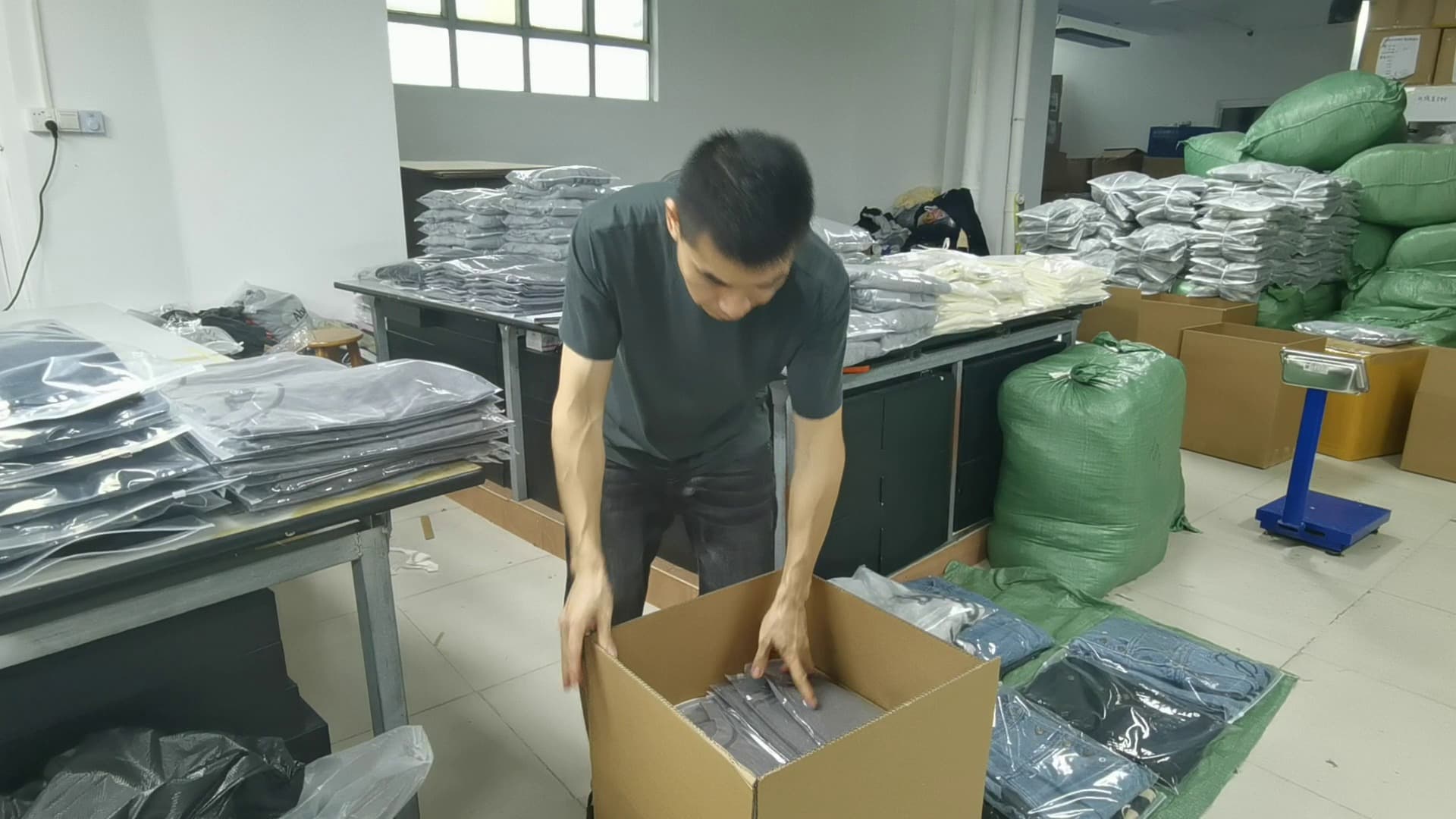
Packing and production handoff

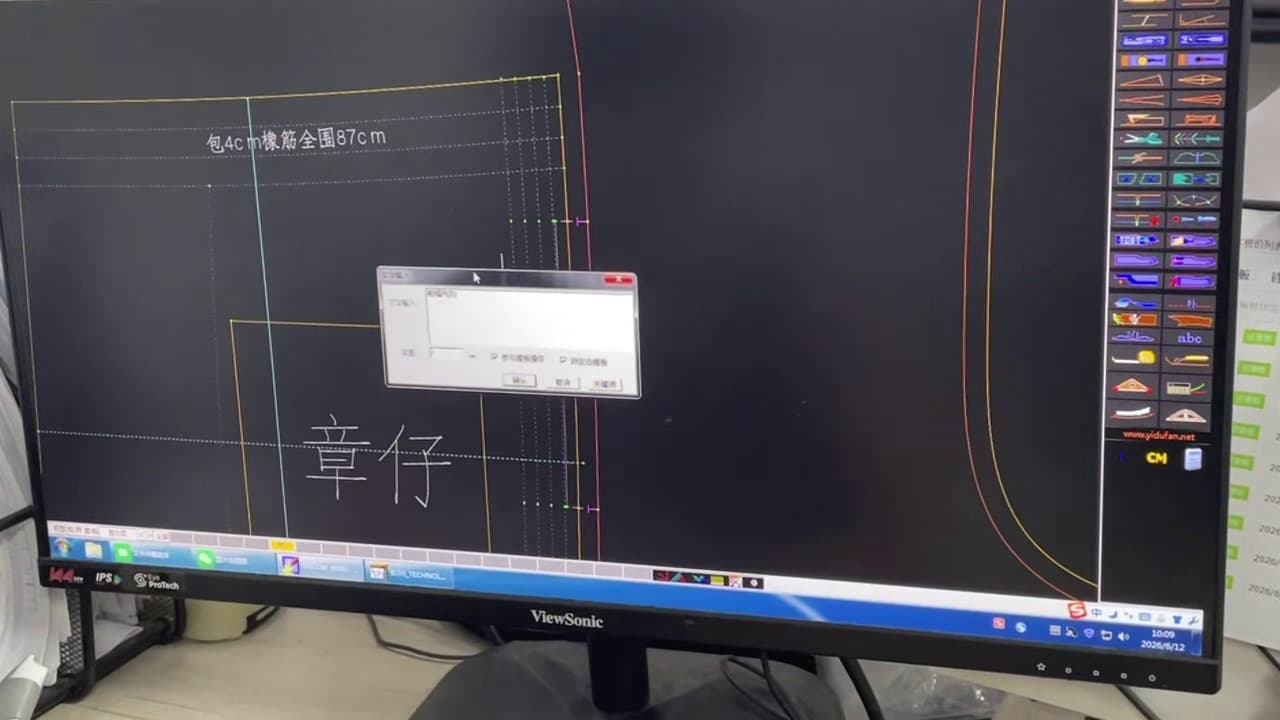
The factory process library shows visible CAD, decoration, QC, size-label, carton, and packing operations buyers can use when defining responsibility checkpoints.

The footage shows individual operations and does not establish an audited supplier network, fixed capacity, price saving, or delivery result.

View factory evidence

Factory Process Evidence

Sourcing Handoff and Factory-Control Evidence

A sourcing partner should connect material and trim decisions to sampling, production checks, packing, and export handoff. These assets make several downstream control points inspectable.

Size-label, carton, and packing handoff

A factory process clip showing size identification and carton handling at a downstream production handoff.

Use this operation to define the packing checkpoint; the buyer still approves the SKU matrix, labels, carton marks, destination, and freight responsibility.

CAD pattern review within the apparel development workflow
Pattern review connects a sourced material route to the garment specification and sample questions.
Garment label references prepared for review
Label references remain supplier- and project-specific and need approval with the garment route.
Garment packing prepared for export handoff
Packing evidence shows the handoff operation while commercial and shipping terms remain quote-specific.

What this evidence shows

The media shows Meiting workflow operations only. It does not prove an audited supplier network, owned mills, universal material availability, fixed savings, or a shipment result.

Deliverables

What you can send, review, and approve.

task_alt

Sourcing route comparison

task_alt

Material and supplier shortlist

task_alt

Cost and MOQ notes

task_alt

Sample coordination

task_alt

Production follow-up and QC

Common Questions

Do you only introduce suppliers?expand_more

No. Meiting does not only introduce suppliers; we can stay involved through fabric and trim sourcing, sample coordination, production follow-up, quality checks, packing, and export handoff.

Can you work with our target cost?expand_more

Yes. We can review a target cost against fabric, construction, decoration, MOQ, packaging, and shipping assumptions, then recommend practical adjustments before sampling or bulk production begins.

Who should use an apparel sourcing partner?expand_more

Use an apparel sourcing partner when your team needs help comparing fabric, trims, factory routes, MOQ, cost, sample risk, QC, and export handoff before choosing a final production path.

Can sourcing support continue into bulk production?expand_more

Yes. Sourcing support can continue into sample coordination, production follow-up, inline quality checks, final inspection, packing review, export documents, and shipment handoff so the buyer is not left with only a supplier list.

What information do you need to start sourcing?expand_more

Send the product category, reference photos or samples, target fabric, target cost, quantity, size range, compliance needs, packaging requirements, delivery country, and launch timing. Clear priorities help us compare realistic supplier routes.

How do you reduce sourcing risk?expand_more

We reduce sourcing risk by comparing supplier MOQ, fabric availability, sample feasibility, trim minimums, decoration route, QC expectations, lead time, and export requirements before recommending a production path.

RFQ Ready

Send the product details you already have.

Send the product category, reference or tech pack, quantity by style/color, fabric and trim direction, target cost range, packaging, destination, and required delivery window. We will identify the sourcing decisions that can be reviewed now, the supplier-specific items still requiring confirmation, and the sample or document evidence needed before bulk planning.

Request a Quote