Design problem
The buyer wanted a premium graphic tee with a heavier handfeel, boxy silhouette, and stable print result. The product needed to feel substantial without losing neck shape or creating unexpected shrinkage after washing.

Project Reference · United States and Europe
An anonymous heavyweight T-shirt case focused on oversized fit, jersey GSM, print placement, neck rib control, sample approval, and export-ready private label packing.
Development brief
The buyer wanted a premium graphic tee with a heavier handfeel, boxy silhouette, and stable print result. The product needed to feel substantial without losing neck shape or creating unexpected shrinkage after washing.
We confirmed jersey weight, neck rib, target measurements, print technique, and artwork placement before sampling. Sample comments were converted into tolerance and print placement notes for bulk QC.
| Item | Direction or review focus |
|---|---|
| Fabric | 180-280 GSM cotton jersey target |
| Fit | Boxy, oversized, or regular fit |
| Decoration | Screen print, puff print, or heat transfer |
| QC Focus | Neck rib, print placement, shrinkage, measurements |
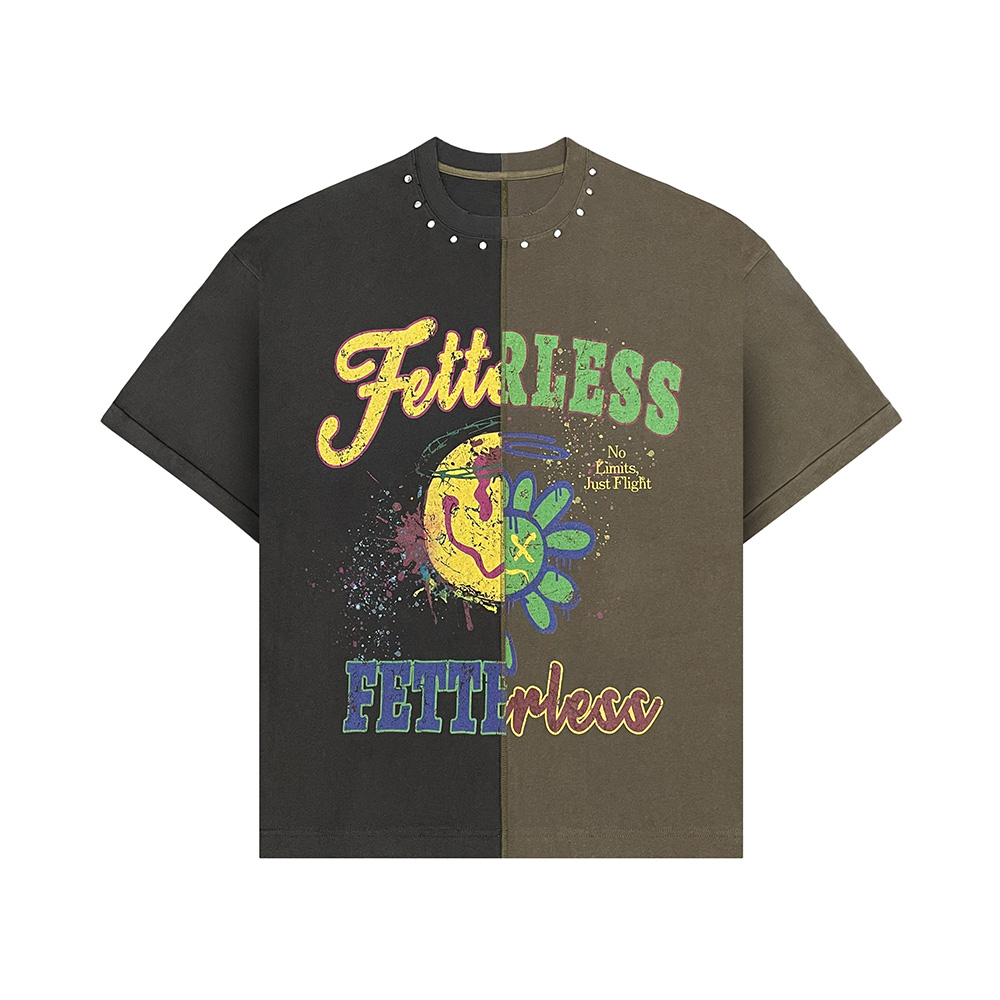
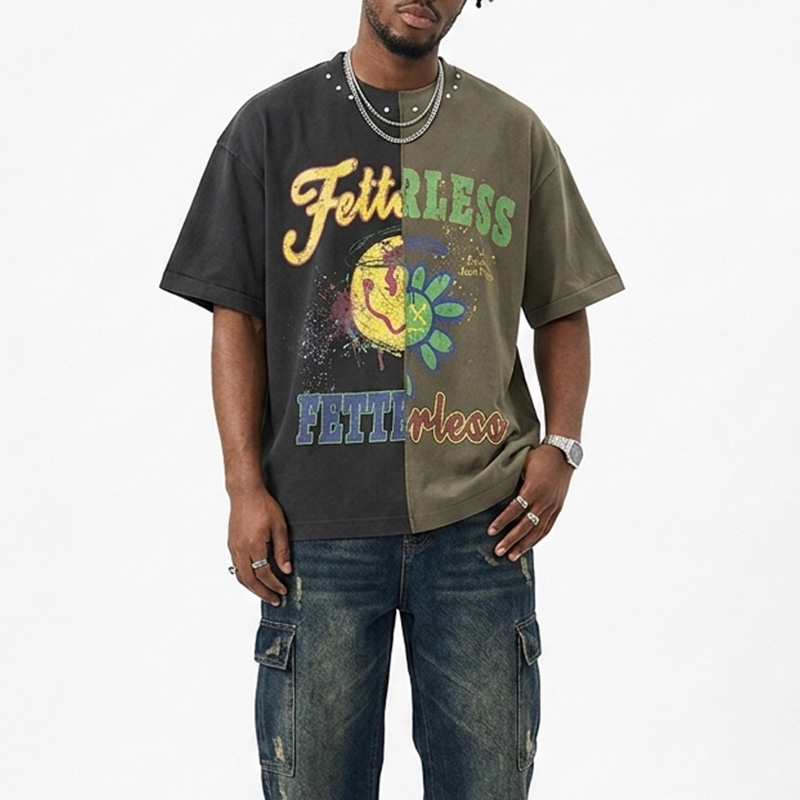
Materials shown: 2 sample views, a design sketch and technical review notes.
Design sketch review
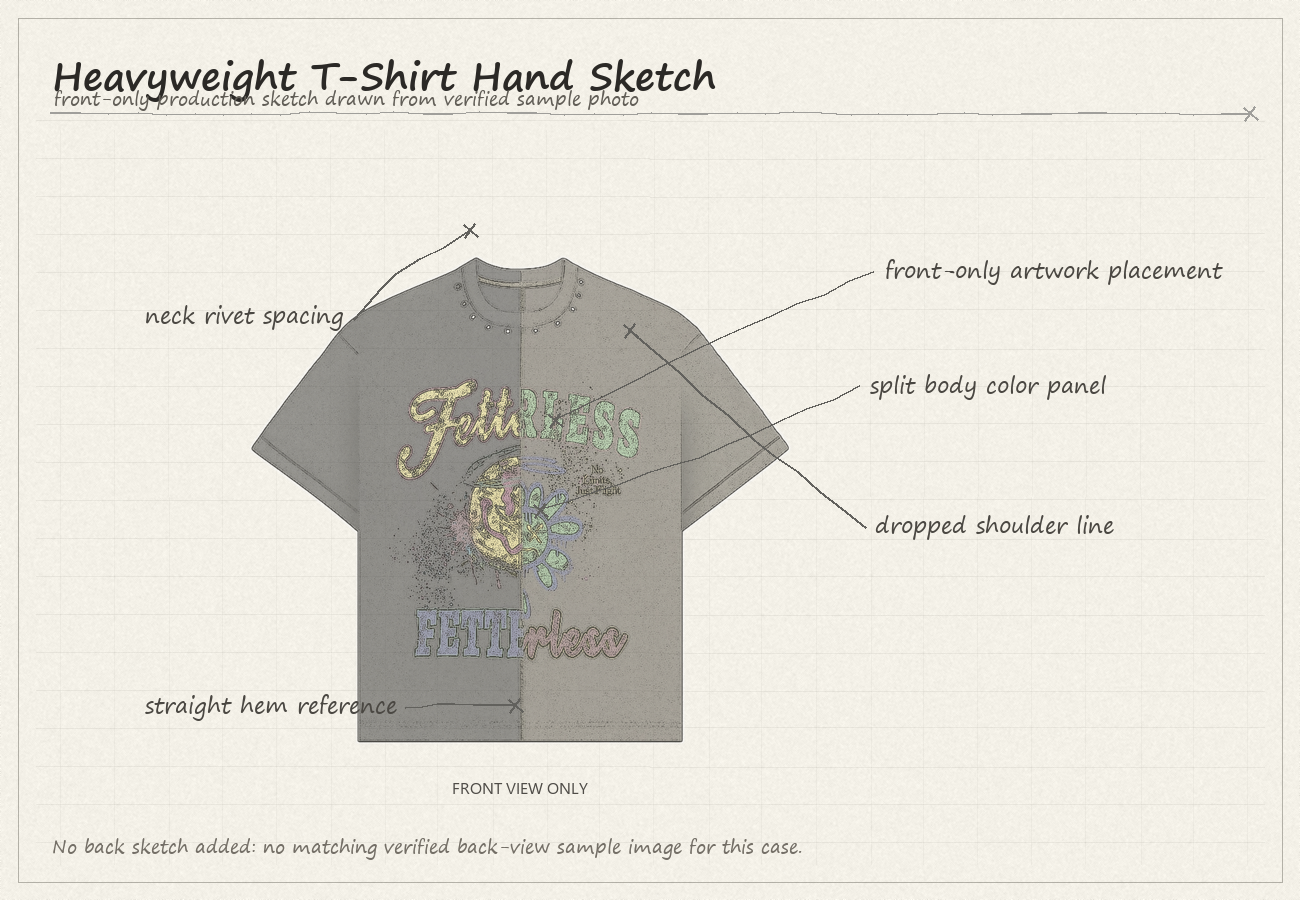
Hand-drawn style front-only sketch based on the verified T-shirt sample image.
Front-only hand sketch because no matching verified back-view sample image is available for this case.
Production review board
Project review
The case separates heavyweight handfeel, oversized fit, collar shape, print placement, shrinkage, neck-rib recovery, and packing as distinct approval risks.
Buyers can see which variables must be resolved instead of treating a graphic T-shirt as a simple blank-print order.
A verified front sample and model view are published with a front-only design sketch; the page states that no matching verified back view is available.
The visible evidence can be inspected without inventing an unseen back design or presenting a generic stock image as project proof.
Jersey direction, fit measurements, shoulder drop, sleeve opening, neckline, artwork anchors, labels, tolerances, and shrinkage risk are recorded separately.
It shows how a visual direction becomes measurable inputs for a sample and later bulk QC reference.
The process moves from artwork and fabric review to fit sample, stable-point print placement, sample comments, and an approved production reference.
Buyers can map each decision to the evidence needed before bulk rather than relying on a single final product photo.
The page documents sample and QC planning but does not claim an independently verified customer outcome, sell-through result, unit price, or delivery performance.
Readers can distinguish manufacturing evidence from a testimonial or unsupported commercial promise.
Buyer identity, private artwork ownership, prices, supplier records, and contact information are not published.
The case shares enough process evidence for evaluation while protecting confidential project information.
Checked artwork files, print size, fabric weight, and target retail position.
Built a sample for fit, neckline, sleeve opening, and garment length review.
Confirmed print placement from stable garment points.
Packed approved details into a production reference for bulk.
Explore our streetwear manufacturer service for a similar project.
Send your product category, target quantity, launch date, and reference files. We will map the practical sourcing and production route.
Send RFQ