Fit block before artwork
Approve shoulder, body and sleeve relationships before locking large graphics. Artwork positioned from a temporary neckline or shoulder can move after fit revisions.

T-Shirt Product Type
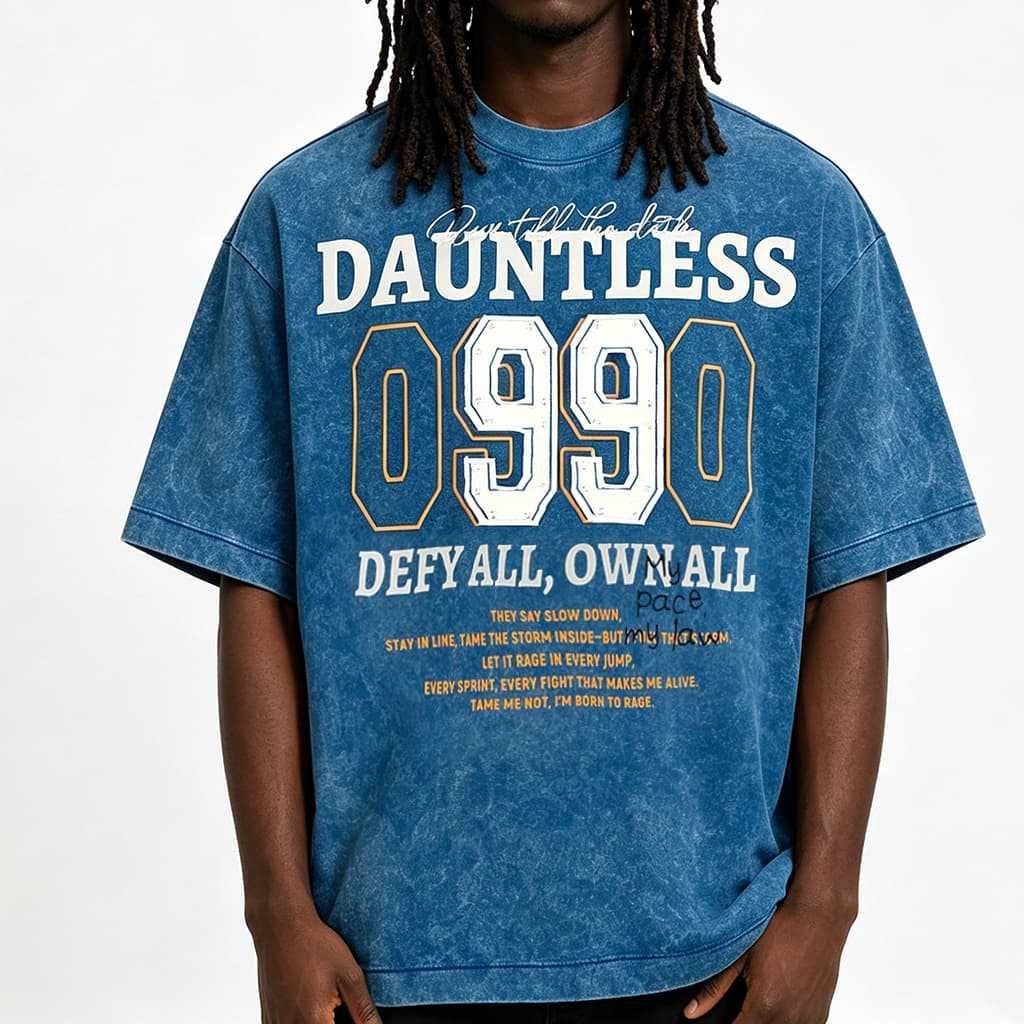
An oversized T-shirt is a controlled fit block, not a standard tee enlarged in every direction. Shoulder position, sleeve volume, body width, length, neck rib and fabric weight must work together before graphics and grading are approved.
Use this page when the buyer decision is specifically about an oversized or boxy T-shirt route. The custom T-shirt service remains the broad transaction owner; this page connects that service to real oversized, heavyweight, washed and graphic sample evidence.
The references below show different visual directions. They do not establish a universal GSM, measurement chart, wash result or decoration tolerance. Those details are confirmed from the brief and approved sample for each program.
Buyer Decision Table
The buyer should approve how the block behaves on a body and in each size, not only whether a flat sample looks wide.
| Decision | What the buyer approves | Risk if left open |
|---|---|---|
| Body width and length | Chest width, sweep, front and back length, side-seam shape and intended balance between width and crop. | Adding width without controlling length can create an accidental tunic shape or an excessively short body after shrinkage. |
| Shoulder and sleeve volume | Drop-shoulder position, armhole depth, sleeve opening, sleeve length and how the sleeve hangs from the chosen jersey. | A deep armhole or heavy sleeve can pull the body out of balance and change artwork placement when worn. |
| Jersey and neck rib | Fabric construction and weight direction, handfeel, stretch, shrinkage, collar height, rib recovery and seam finish. | Heavy jersey with weak rib recovery can produce a collar that rolls, stretches or loses shape after wash. |
| Wash, color and graphics | Color target, wash effect, print method, scale, placement and compatibility between treatment, jersey and artwork. | A wash route can shift shade, measurements and print appearance; approve the combination rather than each variable separately. |
| Grading and bulk QC | Size-to-size grade rules, measurement tolerances, collar recovery, artwork position, stitching, labels and packing. | Proportions can change across sizes if width, shoulder, sleeve and length are graded as unrelated measurements. |
Approve shoulder, body and sleeve relationships before locking large graphics. Artwork positioned from a temporary neckline or shoulder can move after fit revisions.
Review rib width, stretch and recovery against the jersey weight. Collar shape is a visible quality signal on heavyweight and washed tees.
For washed or shrinkage-sensitive routes, compare measurements after the relevant treatment. Pre-wash dimensions alone may not represent the finished bulk standard.
Check how the oversized idea moves from one size to another. A useful grade maintains the intended proportion instead of simply adding the same amount to every point.
Real Product Evidence
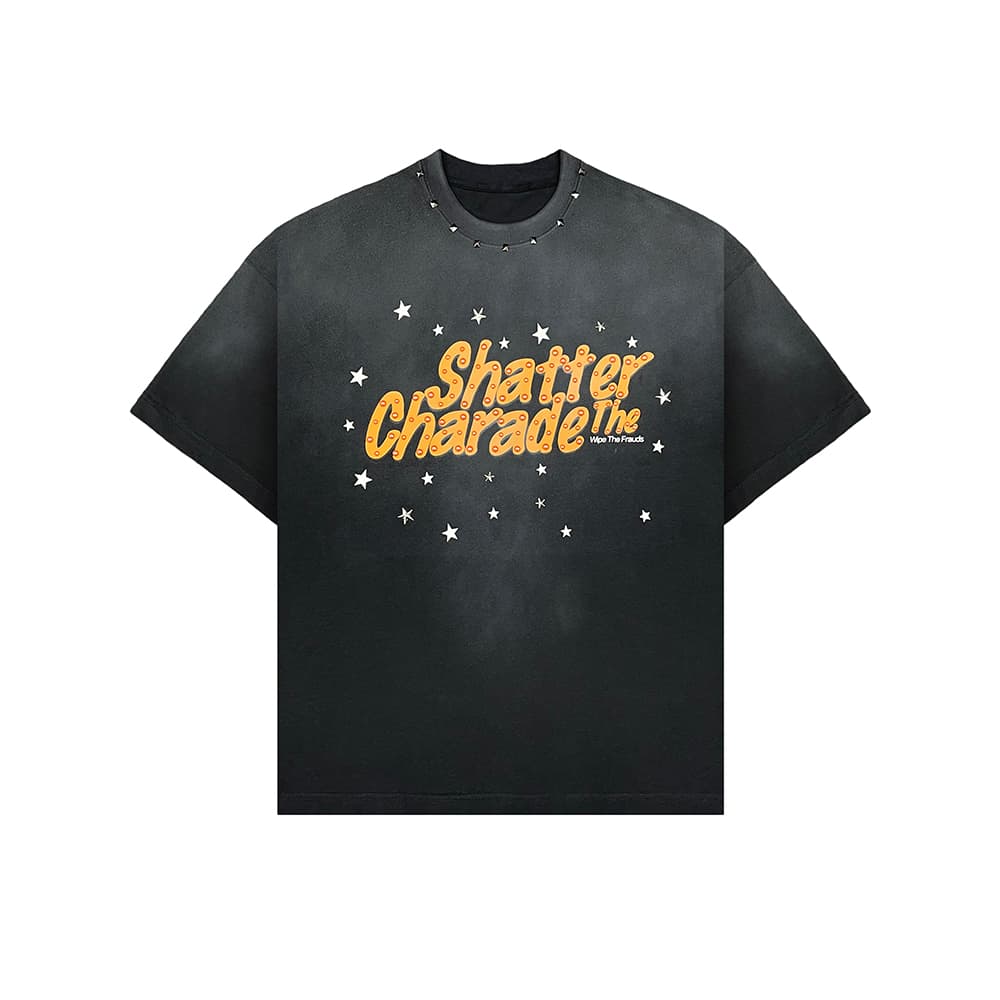
Boxy heavyweight jersey reference for body balance, neck rib and front/back graphic placement.
View sample evidence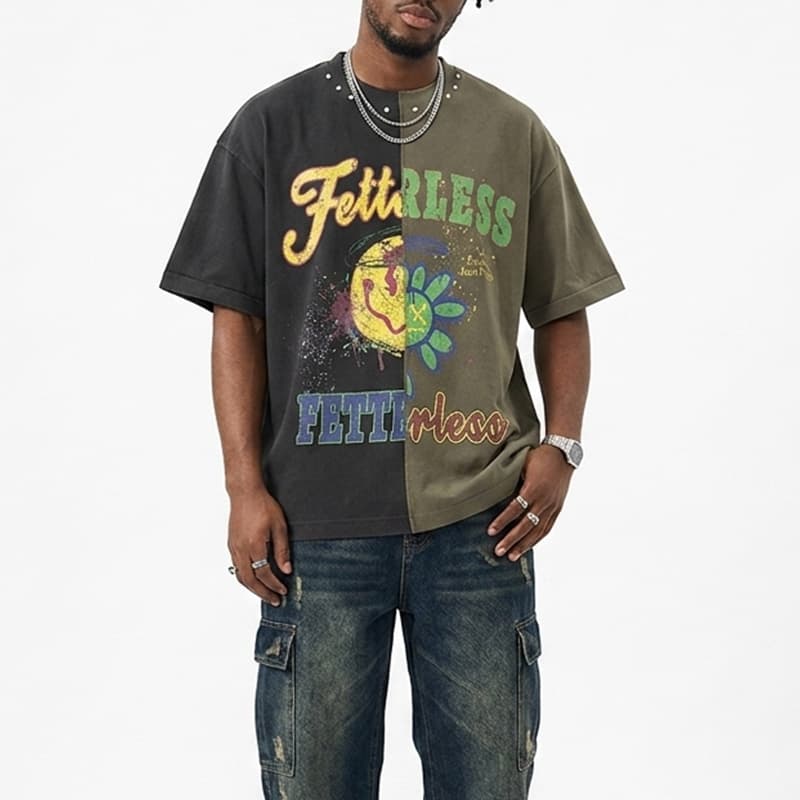
Oversized panel-effect reference for seam, graphic and wash decisions.
View sample evidenceWashed oversized reference for shade, post-wash measurement and handfeel review.
View sample evidence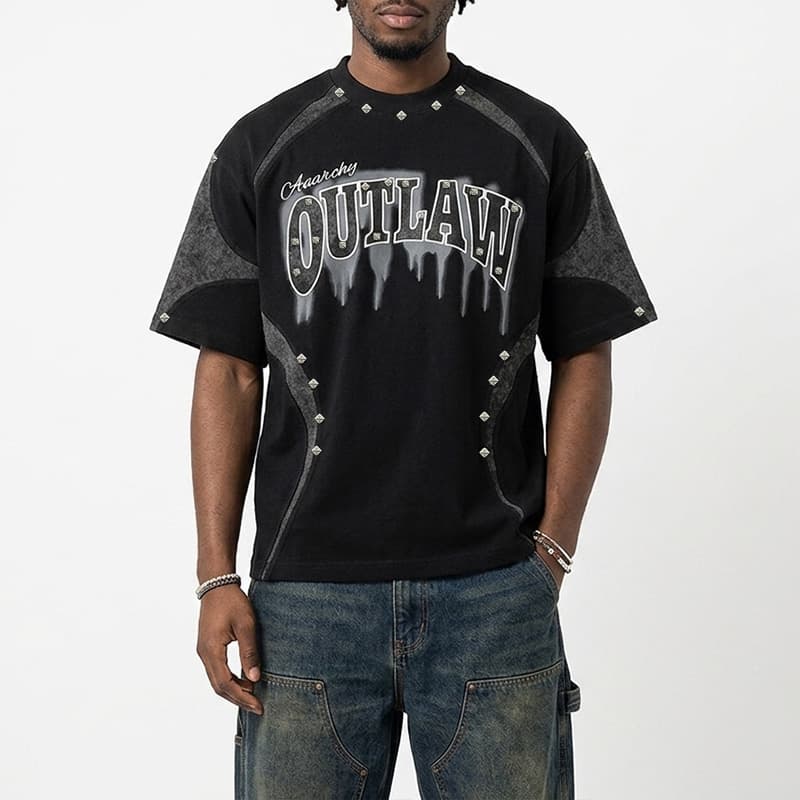
Boxy streetwear reference for artwork scale, optional embellishment and private-label planning.
View sample evidenceFlexible MOQ starts at 150 pcs per style/color. Jersey, color, wash, print, labels, packaging and supplier minimums are reviewed before production is confirmed.
An oversized block controls shoulder position, armhole depth, sleeve volume, chest width, body length and grading as one silhouette. Simply enlarging a regular T-shirt does not reliably produce the intended balance.
Yes. Share the target weight, handfeel, color, wash, stretch and price direction. The actual fabric route, availability, supplier minimum and sample result are confirmed for the project.
Approve the fit block, grade rules, fabric and shrinkage, neck rib, color or wash, artwork placement, labels, packing and the measurement or visual QC standard used for bulk inspection.
No. These are custom manufacturing references. They help buyers prepare a brief; final fabric, measurements, artwork, MOQ, price, timing and production feasibility are confirmed after project review.
RFQ Ready
Share the reference, measurements, target jersey, color or wash, artwork, labels, quantity, size range, destination and launch timing. We will separate confirmed specifications from decisions that still require sampling.