Meiting Garments logo mark

Manufacturing Guide · 10 min read

Streetwear Sample Development: What to Approve Before Bulk

Quick Answer

approve a streetwear sample in this order: silhouette and measurements first, fabric and GSM second, wash or decoration on the chosen garment third, labels and packing fourth, and the pre-production sample last. A sample can look exciting in photos and still be unsafe for bulk if one of those decisions is open. This guide shows how to close them without turning every comment into another full restart. Buyers who need factory support can review Meiting's streetwear sample development service.

factoryBy EdmondBusiness & Production CoordinationTechnical review: Meiting Sample Development, Production & QC TeamPublished · Updated Editorial policy
Streetwear Sampling GuideBuilt for apparel buyers preparing a production brief
01

Use an approval order, not one long list of comments

Streetwear samples combine decisions that affect one another. A heavier fleece can change drape, hood balance, seam behavior, and print handfeel; a wash can change shade and measurements. Approving the graphic while the silhouette or material is still moving creates false progress.

  • Fit and measurements: lock the block before judging the final visual balance
  • Fabric and GSM: confirm structure, handfeel, recovery, and wash behavior on the intended garment
  • Wash and decoration: test them on the approved material route, not an unrelated swatch
  • Labels and packing: confirm placement, dimensions, folds, barcodes, and pack method
  • PP sample: use the final approved version as the reference for bulk production and QC
02

Start from the strongest reference you actually have

A complete tech pack is useful, but sampling can also begin from a physical garment, sketches, clear photos, artwork, and target measurements. The factory still needs to know which parts are references and which parts must be changed. A photo alone cannot define back length, chest width, fabric construction, or internal finishing.

  • For a physical sample, mark every feature to keep and every feature to change
  • For photos, include front, back, side, hood, pocket, cuff, hem, and inside-construction views
  • Name the target size and provide at least the key body measurements
  • Separate visual inspiration from measurable production requirements
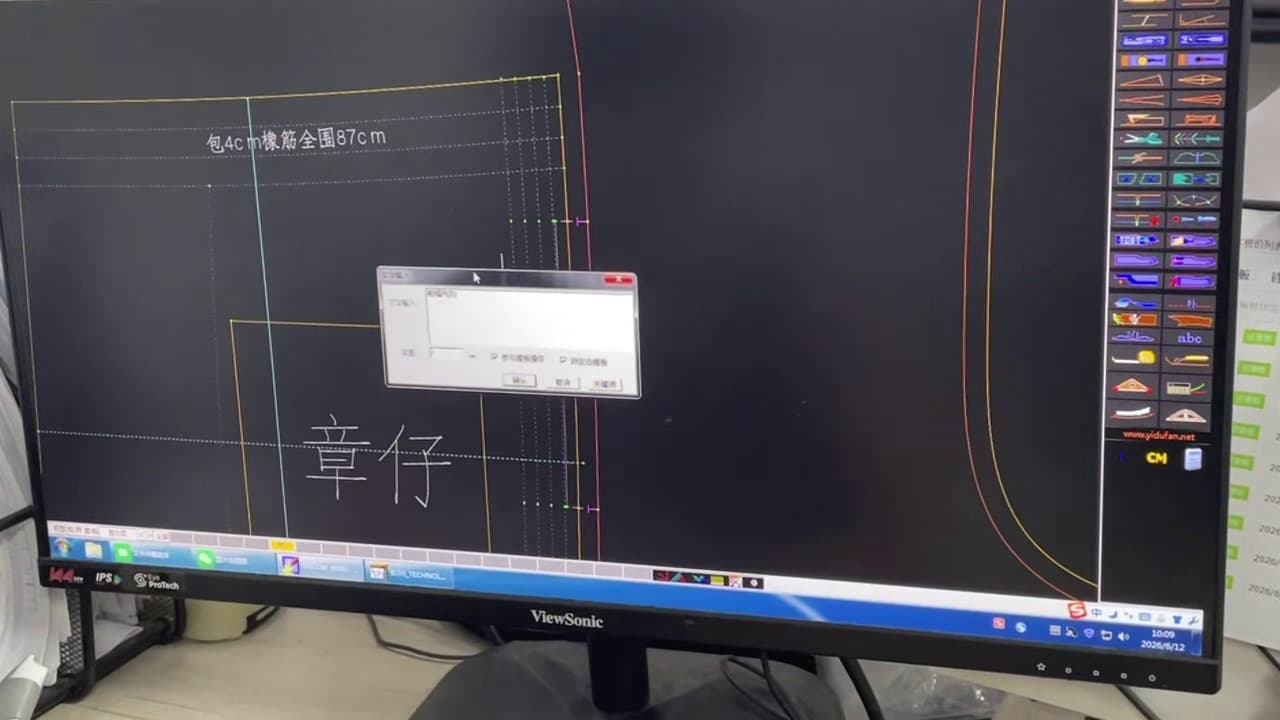
Garment pattern being drafted in CAD software at Meiting Garments pattern room
Pattern work turns fit comments into measurable sample revisions. Frame from Meiting's own factory floor video — not a stock photo.
03

Approve the streetwear silhouette before the surface details

Oversized does not mean making every measurement larger. Shoulder width, chest, body length, sleeve length, armhole depth, hood volume, and rib tension work together. Review the sample on the intended body size and send comments from fixed measurement points instead of saying only that it should feel looser or shorter.

  • Compare the sample with the approved measurement chart on a flat surface
  • Photograph the sample from consistent front, side, and back angles
  • Record each change in centimeters and identify the measurement point
  • Check pocket, graphic, and label placement again after fit changes
04

Lock fabric and GSM with the finish that will be used

GSM is only one part of fabric approval. Fiber blend, knit structure, brushing, compactness, stretch recovery, shrinkage, and wash treatment can make two fabrics at the same nominal weight behave differently. Approve the fabric route through a swatch or garment sample and record what still needs bulk-lot confirmation.

  • Confirm composition, construction, target GSM, color, surface, and handfeel
  • Check shrinkage and shade behavior when washing is part of the design
  • Review rib recovery and color compatibility with the body fabric
  • Ask which material details are sample approvals and which remain subject to bulk-lot checks
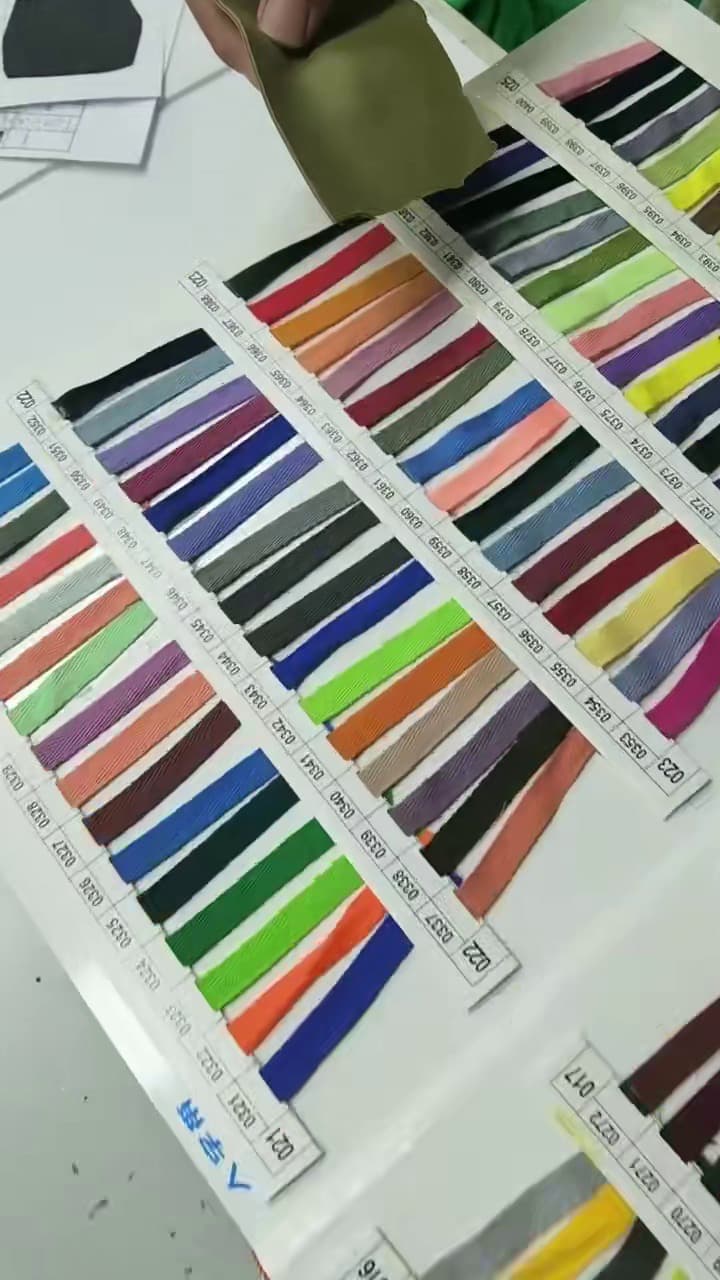
Fabric color cards laid out for shade selection at Meiting Garments
Fabric and shade decisions should be locked before the PP sample. Frame from Meiting's own factory floor video — not a stock photo.
05

Test wash and decoration on the chosen garment route

A print strike-off can confirm color and texture, but it does not always show how artwork sits on a finished oversized block or how it behaves after garment washing. Embroidery density can pull lightweight areas, and wash treatments can shift shade, dimensions, and print appearance. Review the interaction, not each component in isolation.

  • Approve artwork size and placement from stable seams or measurement points
  • Use a strike-off to narrow the method, then verify the selected route on the garment when needed
  • Check wash shade and measurement change before accepting visual color alone
  • Record acceptable variation instead of expecting every washed piece to look identical
06

Streetwear sample decision table

Use this compact review order to decide whether the next action is approval, a targeted revision, or another test. A failed item should reopen only the connected decisions unless it changes the garment route itself.

  • Silhouette | Approve body shape and balance | Evidence: worn views plus flat measurements
  • Fabric | Approve construction, composition, GSM, handfeel, and recovery | Evidence: swatch or sample record
  • Wash | Approve shade direction and measurement effect | Evidence: treated garment and written tolerance
  • Decoration | Approve method, scale, color, placement, and handfeel | Evidence: strike-off or garment sample
  • Labels and packing | Approve content, placement, fold, barcode, polybag, and carton route | Evidence: physical or digital layout
  • PP sample | Approve the complete production standard | Evidence: signed comments, photos, and retained sample
07

Make the PP sample the bulk reference

The pre-production sample should represent the approved material, measurements, construction, decoration, labels, and packing route. If a buyer approves only by chat message, the factory and QC team can interpret the standard differently. Keep one written approval record and identify any item that remains conditional before cutting.

  • Give each revision round a date or version number
  • Keep comments next to annotated photos or measurement tables
  • State what is approved, what is rejected, and what remains open
  • Do not replace the approved route during bulk without a recorded change decision
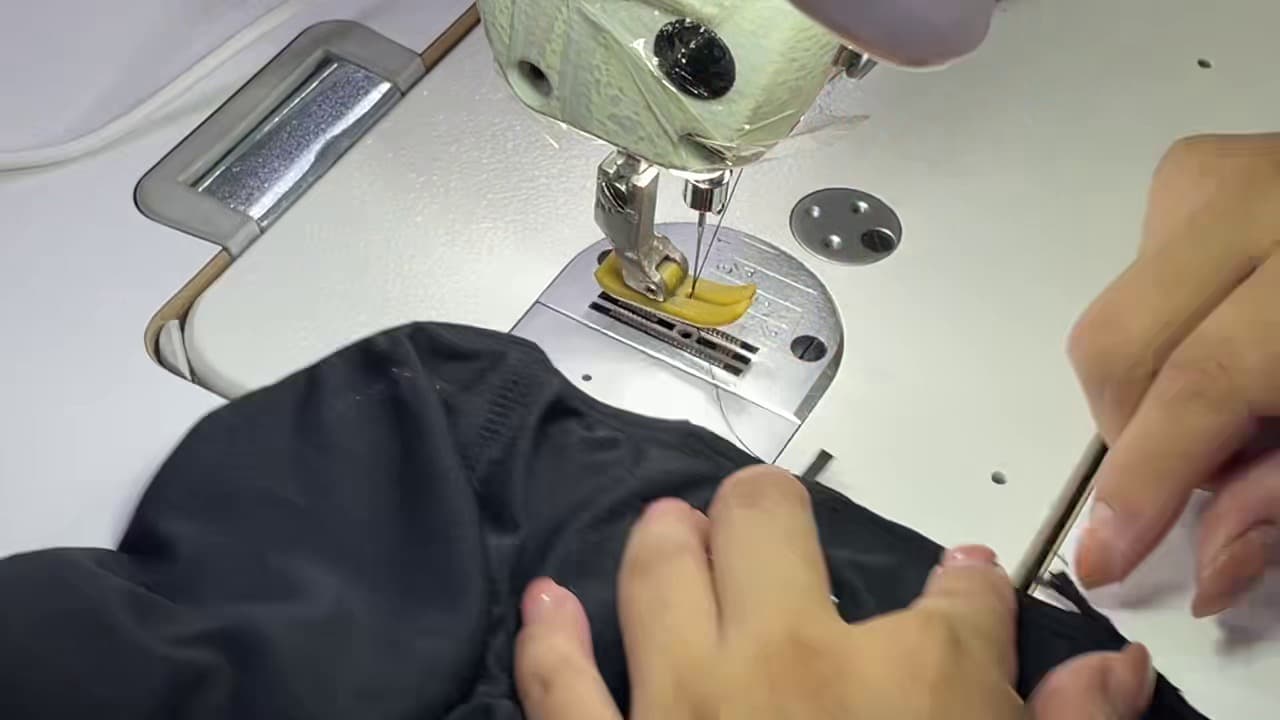
Close-up of an operator guiding fabric through an industrial sewing machine at Meiting Garments
The approved sample becomes the reference for sewing and bulk QC. Frame from Meiting's own factory floor video — not a stock photo.
08

Send enough information for a useful sample review

A sampling request becomes easier to cost and schedule when the factory can see the product, open decisions, and intended bulk route. Meiting usually plans 10–25 calendar days after the reference, fabric direction, artwork, fit, labels, and packing details are confirmed; special fabrics, washes, trims, or decoration can extend the cycle. Final timing is confirmed from the actual brief.

  • Product references or a physical sample, with keep/change notes
  • Target size, measurements, fit direction, and intended market
  • Fabric composition, GSM, color, handfeel, and wash direction
  • Artwork files, dimensions, placement, and decoration preference
  • Label and packaging files, quantity by style/color, destination, and launch date

Approval Checklist

  • task_altReference garment, sketches, or complete photo set
  • task_altTarget sample size and key measurement chart
  • task_altFit comments tied to fixed measurement points
  • task_altFabric construction, composition, GSM, color, and handfeel
  • task_altWash direction and acceptable shade variation
  • task_altArtwork file, decoration method, dimensions, and placement
  • task_altMain label, care label, hangtag, barcode, and packing layout
  • task_altWritten revision history with approved and open items
  • task_altPP sample approval record for bulk and QC
  • task_altBulk quantity by style/color, delivery country, and launch date

What Can Go Wrong

  • errorApproving graphics before the silhouette and garment measurements are stable
  • errorTreating GSM as a complete description of fabric behavior
  • errorApproving a wash color without checking its effect on measurements and decoration
  • errorSending vague fit comments without centimeters or measurement points
  • errorChanging fabric, artwork, or labels after PP approval without reopening connected checks
  • errorStarting bulk cutting while the approval record still contains open decisions

What to Send the Manufacturer

  • Product type and reference
  • Quantity by style and color
  • Size range and target fit
  • Fabric, GSM, and handfeel
  • Artwork and decoration method
  • Labels and packaging
  • Destination country
  • Target launch or delivery date
Send these details in your RFQ

Factory Evidence

This guide uses Meiting factory-process images where the visible operation supports the production point being discussed.

  • Pattern work turns fit comments into measurable sample revisions. Frame from Meiting's own factory floor video — not a stock photo.
  • Fabric and shade decisions should be locked before the PP sample. Frame from Meiting's own factory floor video — not a stock photo.
  • The approved sample becomes the reference for sewing and bulk QC. Frame from Meiting's own factory floor video — not a stock photo.
Review Meiting factory process videos

Want us to review your project details?

Send your tech pack, reference photos, quantity, target timeline, or current supplier problem. We will respond with a practical next step.

Send RFQ